
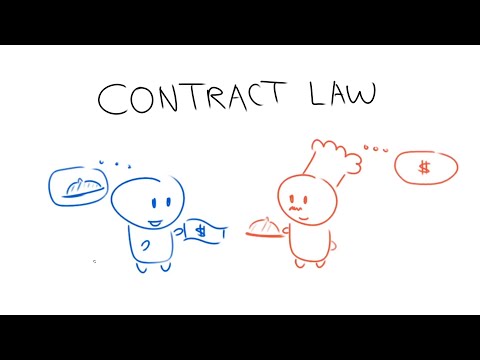
Imagine you’re at a party and you just struck a deal with your mate over a game of darts. You’re like, “If I win, you buy the snacks!” But then, out of nowhere, you both decide to throw in a few extra rules. Like, if he gets a bullseye, he can swap the snacks for something else.
That’s kinda what supplemental agreements are all about in contract law! You start with a solid deal, but then life happens. You want to tweak things here and there.
The information on this site is provided for general informational and educational purposes only. It does not constitute legal advice and does not create a solicitor-client or barrister-client relationship. For specific legal guidance, you should consult with a qualified solicitor or barrister, or refer to official sources such as the UK Ministry of Justice. Use of this content is at your own risk. This website and its authors assume no responsibility or liability for any loss, damage, or consequences arising from the use or interpretation of the information provided, to the fullest extent permitted under UK law.
In the world of UK contract law, these little adjustments can be super important. They might seem small but they can change things quite a bit! So let’s unpack it all together—no jargon and no stress—just the essentials about supplemental agreements that everyone should know. Sounds good?
Understanding Supplemental Agreements: Definition, Purpose, and Implications
Understanding Supplemental Agreements
So, what’s a supplemental agreement? Well, in the world of contracts, it’s basically an add-on to an existing agreement. Think of it like putting on extra toppings to your pizza after you’ve already ordered it. You and the other party have agreed on something, but later on, you might realize there’s more to discuss or modify.
The purpose of these agreements is pretty straightforward. They allow parties to change or enhance the original contract without having to start from scratch. It saves time and effort, plus it keeps everything nice and tidy. For example, if you signed a lease for a flat but then decided to add another roommate, you’d create a supplemental agreement to make that official. It just makes things clearer for everyone involved.
Now, let’s talk about some implications. When you sign a supplemental agreement, you’re essentially agreeing to new terms that change the original contract. This can be anything from adjusting payment schedules to altering responsibilities. But here’s the catch: both parties must consent! If one party doesn’t agree with the changes, the supplemental agreement won’t hold any water.
And remember: any new terms in that agreement should be as clear as possible—ambiguous language could lead to misunderstandings later on. You know how annoying it can be when someone says one thing but means another? Yeah, you want to avoid that.
It’s also worth noting that while supplemental agreements can clarify things and help relationships between parties flow smoothly, they can get complicated if not handled right. For instance, if your supplemental agreement contradicts what was originally stated in the first contract without being rectified properly, well… that could cause some serious issues down the line.
To sum up:
- Definition: An add-on or modification to an existing contract.
- Purpose: To adjust terms without rewriting the whole contract.
- Implications: New terms must be agreed upon by all involved; clarity is key.
So there you have it! Supplemental agreements play an important role in ensuring flexibility within contracts while maintaining clear communication between parties involved. Just remember: clarity and mutual consent are your best friends when drafting these additions!
Understanding Supplementary Agreements: Definition, Importance, and Key Features
So, you’ve heard the term “supplementary agreement” floating around in legal discussions? Well, let’s break it down together.
A supplementary agreement is basically an additional contract that’s created to add to or clarify a primary agreement. Think of it as a side note that provides extra detail or makes changes to the main points of the original deal.
Now, why are supplementary agreements important? Here’s the thing: they help avoid confusion. When two parties make a deal, there might be elements that need further explanation or adjustment after the fact. Supplementary agreements let you address those details without starting from scratch.
Let’s say you and your friend agree on renting a flat together for a year. The initial contract covers all basics—rent amount, duration, etc. But halfway through your lease, you decide to allow pets in the flat. You wouldn’t want to rewrite your whole contract just for that change! Instead, you’d create a supplementary agreement saying something like: “We allow pets under certain conditions.” See what I mean?
When it comes to key features of these agreements, here are some things to keep in mind:
- Relation to Existing Contracts: They must reference and relate directly back to the primary agreement.
- Clarity: They should be clear! Ambiguities can lead to disputes later on.
- Consent: All parties involved must agree and sign off on this new document.
- No Conflicting Terms: They shouldn’t contradict what’s already laid out in the original contract; they’re meant to complement it.
It’s worth noting that while these supplementary documents can add flexibility and detail, they still need careful handling. If not done right, they could lead to misunderstandings or even legal issues down the line.
In conclusion (though I skipped saying “in conclusion,” right?), supplementing an existing deal with added documents is super useful when you want clarity without overhauling everything. Just make sure all parties are on board with any changes made! It’s like keeping things smooth and making sure everyone knows exactly where they stand.
Understanding Supplemental Agreements: When and Why to Use Them
Supplemental agreements can be a bit of a maze if you’re not familiar with them. So, let’s break it down together. Basically, a supplemental agreement is like an add-on to the original contract that helps clarify or expand on what was initially agreed upon. You know how sometimes you buy a phone and there’s an extra warranty? That’s kind of like what a supplemental agreement does for contracts.
Now, why would you want to use one? Well, there are several reasons:
- Clarifying Terms: Sometimes, the original contract might be a bit fuzzy in certain areas. A supplemental agreement can help clear things up.
- Adding New Terms: Maybe after signing the first contract, new circumstances arise. In that case, you might want to add something without having to scrap the whole deal.
- Extending Time Frames: If deadlines change, a supplemental agreement can adjust those timelines without needing a brand-new contract.
- Modifying Obligations: Life happens! If someone’s responsibilities or roles need tweaking post-signature, these agreements come in handy.
Let’s say you’re working on a construction project. You’ve got your initial contract with all the basics laid out—scope of work, timelines, and payments. But halfway through the project, you realize you need to add some additional features that weren’t included before. Instead of starting over with a new contact (which could take ages), you’d create a supplemental agreement outlining those new features and any adjustments in costs or timelines.
There’s also something important about keeping these agreements formalized. If it’s not in writing, it can be hard to prove later on what everyone agreed to. And trust me; having everything documented saves tons of headaches down the line.
Of course, both parties should sign this supplemental agreement for it to be valid. It’s like sealing the deal all over again but focusing only on the new stuff.
Also worth mentioning: if you’re not careful about how you draft your supplemental agreement—like being vague—it could lead to more confusion than clarity! So always aim for clear and precise terms.
In summary, think of these agreements as helpful tools that let you smoothly navigate changes while still honoring your original commitments. You follow me? It’s all about keeping things straightforward even when life throws curveballs at your agreements!
So, you know when you enter a contract, it’s like shaking hands on a deal? It feels solid, like you both have a clear understanding of what’s expected. But sometimes, life throws a curveball. Maybe something changed or maybe you just realized the original terms don’t quite fit anymore. That’s where supplemental agreements come in.
Essentially, a supplemental agreement is an additional contract that modifies or adds to the original one. Think of it as an update—like when your favorite app gets new features. You’re not starting from scratch; you’re just fine-tuning what already exists to better suit your needs.
Let me share a little story. Imagine you’ve got this wedding venue booked for your big day. You and the venue owner signed everything in excitement! Then, out of nowhere, they tell you there’s been some damage to the garden where you wanted your ceremony. What can you do? You could negotiate a supplemental agreement to change the location within their grounds or maybe even adjust the date. It’s all about adapting to new situations while keeping that original agreement intact.
Now, it’s important to get these agreements down in writing. Verbal agreements can be tricky because, well, memories fade and misunderstandings creep in, right? The law tends to favor written contracts since they provide clarity and serve as proof if things go south later on.
You’ve got to remember though that both parties need to agree on these changes. If one side just tries to say “we’re gonna change this,” without the other party’s consent, it might not hold up in court if there’s ever a dispute. Essentially, mutual consent is like two dancers in harmony—if one isn’t on board with the rhythm, it just doesn’t work.
In UK contract law, supplemental agreements allow for flexibility while maintaining some legal protection for all involved parties. So next time life throws those unexpected twists your way—whether it’s about wedding plans or anything else—you’ll know there are ways to recalibrate without starting from square one!


