
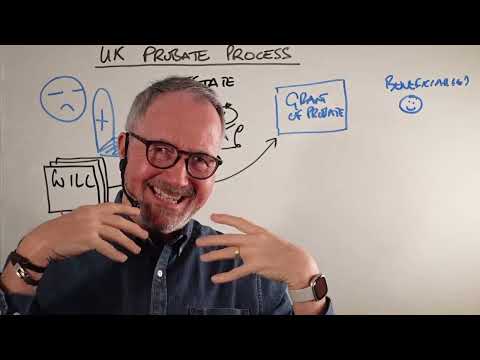
So, picture this: you’ve just lost a loved one, and amidst the sorrow, someone hands you a stack of confusing legal papers. Ugh, right?
Probate can feel like a maze. You might be sitting there thinking, “What on Earth is this all about?” And honestly, it’s a bit like trying to decipher ancient hieroglyphs without a Rosetta Stone.
The information on this site is provided for general informational and educational purposes only. It does not constitute legal advice and does not create a solicitor-client or barrister-client relationship. For specific legal guidance, you should consult with a qualified solicitor or barrister, or refer to official sources such as the UK Ministry of Justice. Use of this content is at your own risk. This website and its authors assume no responsibility or liability for any loss, damage, or consequences arising from the use or interpretation of the information provided, to the fullest extent permitted under UK law.
But don’t worry! Navigating through probate doesn’t have to feel like climbing Everest. With just some basic guidance, you’ll get the hang of it.
It’s not just about laws and paperwork; there are real emotions involved here. People can feel lost and overwhelmed. That’s totally normal! The important thing is knowing what steps to take next.
So, let’s break it down together—nice and easy—just like chatting over a cup of tea.
Step-by-Step Guide to the Probate Process in the UK
The probate process in the UK can feel like a bit of a maze, but it’s really just a series of steps to follow when someone passes away. You might be thinking, “How does this all work?” Well, let’s break it down together.
First off, probate is basically the legal way of dealing with someone’s estate after they die. The estate includes everything they owned—assets like property or savings and debts that need settling. So, when someone you love passes away, you have to follow these steps to sort things out properly.
Step 1: Locate the Will
If the deceased left a will, you need to find it. This document usually states how they wanted their assets divided and names an executor—the person responsible for making sure their wishes are carried out. But if there’s no will? It gets a bit trickier as you’ll have to follow the rules of intestacy.
Step 2: Apply for Probate
Once you’ve got the will or determined that there isn’t one, you can apply for probate through the local Probate Registry. This involves filling out some forms and paying a fee—sort of like getting a ticket for entry into the system! You’ll need to submit details about assets and liabilities too.
Step 3: Pay Inheritance Tax
Now here comes the financial part. If the estate is worth more than £325,000 (that’s your threshold), you’ll likely need to pay inheritance tax at 40% on anything above that amount. Just like that surprise bill popping up at an inconvenient time!
Step 4: Collect Assets
Once probate is granted—yay!—you can start collecting assets from various places—banks, properties, etc. Sometimes it feels like being a treasure hunter; every little piece counts! Make sure to keep accurate records as this will come in handy later on.
Step 5: Settle Debts
Before anyone sees any money from the estate, all debts must be cleared first. This can include funeral expenses, any loans or credit card debts—even unpaid bills! It might seem tedious but it prevents future issues with creditors later on.
Step 6: Distribute Assets
After everything’s settled and debts are cleared off your list (phew!), it’s time to distribute what remains according to what was laid out in the will—or by intestacy rules if there wasn’t one. Ideally, everyone should get what they’re entitled to without any fuss!
Step 7: Final Accounts
Don’t forget about keeping track of accounts! You’ll likely want to prepare final accounts showing how everything was handled during this process. Good accounting can help prevent misunderstandings among beneficiaries too.
Going through probate might feel overwhelming at times—it can bring up so many emotions while trying to wrap things up after losing someone close. Just remember; take things step by step and lean on friends or family if needed!
If you find yourself stuck anywhere along this journey—or feeling unsure about something—chatting with someone knowledgeable could really help clarify things again!
Current Probate Duration in the UK: Understanding Timelines and Factors Affecting Processing Speed
So, let’s chat about probate in the UK and what’s going on with those timelines.
Probate is basically the legal process to sort out someone’s estate after they’ve passed away. The duration can really vary – some cases wrap up in a few months, while others can drag on for years. It can feel like forever when you’re waiting!
The average time for obtaining a grant of probate is around four to six months. But don’t start planning your holiday just yet, because there are loads of factors that can slow things down. Here’s the deal:
- Complexity of the estate: If the deceased left behind a simple will with clear assets, it might be quick and easy. But if it’s complicated with property, investments, or various beneficiaries, it could take longer.
- The size of the estate: Bigger estates usually involve more paperwork and valuation processes. You know, like when you’re dealing with multiple properties or significant assets?
- Disputes among beneficiaries: If family members can’t agree on how things should be divided, it can get messy fast. Seriously, I once knew a family that took years to settle an estate because of disagreements over a vintage car!
- HMRC involvement: If there are inheritance tax matters to deal with, that might add extra time. They need to approve everything before you get that final go-ahead.
Now, what happens once you’ve submitted your application? Well, usually there’s a checking period by the Probate Registry. They’ll review all your documents and make sure everything is in order. This part alone can take about eight weeks, give or take.
If they spot any issues – let’s say missing signatures or inconsistent information – guess what? You’ll have to wait even longer while you sort things out.
And then there’s the whole administration side of things after getting probate granted! Distributing assets is another step that could stretch out depending on how cooperative everyone is and how complex the distribution task becomes.
In short, patience is key when dealing with probate in the UK. It may seem daunting at first glance—like staring at a mountain—but knowing what to expect can really help ease some worries along the journey!
Understanding the 7-Year Rule for Inheritance in the UK: Key Insights and Implications
Understanding the 7-Year Rule for Inheritance in the UK is super important, especially if you’re dealing with estates and probate. The thing is, this rule can have huge implications on how inheritance tax works when someone passes away.
So what’s the 7-Year Rule? Well, it relates to gifts you give away during your lifetime. If you make a gift and then pass away within seven years, that gift may still be part of your estate for inheritance tax purposes. Yep, it can be added back into the total value of what you owned when you died, which might surprise you.
To break it down a bit more:
- Gifts Made Within 7 Years: If you’ve made gifts—let’s say a house to your child—and then you die within seven years of giving that gift, HMRC may count its value in calculating inheritance tax on your estate.
- Gifts Made More Than 7 Years Ago: Gifts given more than seven years before your death generally aren’t counted. That means if you gave a valuable painting to a friend eight years ago, it’s usually safe from being taxed.
- Potential Tax Rates: When a gift falls within this seven-year window, it could be taxed at your estate’s normal rate—up to 40% depending on the value. So if you’re planning on gifting big stuff, timing is key!
- Taper Relief: Now here’s where things get interesting: there’s something called taper relief. If someone gives a gift between three and seven years before they die, the amount of inheritance tax owed may gradually decrease as time passes.
Let’s say Aunt Mary gave her lovely house worth £300,000 to her niece six years before she passed away. Since the value might fall under inheritance tax due to taper relief (because it’s not in the first three years), only part of that amount could be taxed instead of all £300k!
You might be wondering how this fits into probate stages—think about it like this: if there are gifts made in that seven-year window, they need to be reported as part of the probate process when figuring out what needs to go through legal channels after someone dies.
This whole thing can get tangled up pretty quickly—family dynamics can add stress too! I remember my mate having serious family drama over Grandma’s estate because she had given away some valuables just before she passed and no one knew about them until the will went through probate! You really want to keep records clear so everyone’s on the same page.
If you’re ever in doubt about how this works or how it affects you directly, chatting with someone who knows their stuff can save a lot of headaches later on! It’s crucial because getting these details right not only protects assets but also manages expectations among family members.
So yeah, understanding that 7-Year Rule is pretty crucial when thinking about inheritances and planning ahead can definitely make things less stressful down the line!
Probate can seem like this daunting, bureaucratic maze, especially when you’re dealing with the loss of a loved one. You know, it’s not just about the legal stuff; it’s about emotions too. I remember when my gran passed away. Sorting out her estate felt overwhelming; there were all these forms to fill and meetings to attend. It’s a process that can really weigh heavily on you.
So, let’s break it down a bit. Basically, probate is the legal process that happens after someone dies, involving the distribution of their assets according to their will or the law if there’s no will. The first stage usually involves applying for a Grant of Probate if there is a will, or Grant of Letters of Administration if there isn’t. This is like getting official permission to deal with someone’s estate.
Now, it sounds straightforward enough but gathering all the necessary documents can be quite the task! You need things like the death certificate and details about the assets and debts of the deceased. And then there’s filling out these forms correctly—one small mistake can throw everything off course.
Once you’ve submitted your application and it’s approved, you’ll move on to settling any outstanding debts and taxes owed by the estate. It might feel a bit grim having to go through financial records at such an emotional time, but this step is crucial before distributing anything to beneficiaries.
After clearing those obligations, you start the distribution phase. It’s where you finally get to share what your loved one left behind with friends or family. But sometimes disagreements pop up, right? Sibling squabbles over heirlooms or property can be common because emotions run high during these times.
And then there’s closure when everything’s settled—not just for you but for others involved too. It can be bittersweet since it signals a final goodbye while also bringing relief in wrapping things up.
Navigating through probate laws in the UK isn’t simple by any means; it’s emotional and procedural at once. But understanding each step helps demystify it a bit—like taking a deep breath before wading into those choppy waters. So if you find yourself in this situation someday, remember that you’re not alone in feeling overwhelmed; many have walked that path too!


