You know, I once met this guy at a party who swore he invented the ultimate mobile app for cat lovers. Seriously, it was just a glorified timer for feeding your feline. But hey, that got me thinking about what happens when someone thinks they have something unique.
Soft IP is like that hidden gem of intellectual property law in the UK. It’s not as flashy as patents or trademarks, but it plays a big role behind the scenes. So many creators, from artists to software developers, rely on it without even realizing.
The information on this site is provided for general informational and educational purposes only. It does not constitute legal advice and does not create a solicitor-client or barrister-client relationship. For specific legal guidance, you should consult with a qualified solicitor or barrister, or refer to official sources such as the UK Ministry of Justice. Use of this content is at your own risk. This website and its authors assume no responsibility or liability for any loss, damage, or consequences arising from the use or interpretation of the information provided, to the fullest extent permitted under UK law.
Curious about how soft IP fits into all of this? Stick around! We’ve got some interesting ground to cover about how it protects ideas and creativity in ways you might not expect.
Comprehensive Guide to Intellectual Property Law in the UK: Downloadable PDF Resource
Sure! Let’s break down the basics of intellectual property law in the UK, particularly focusing on soft IP.
Intellectual property (IP) is a big deal. It’s how you protect ideas, inventions, and creations. In the UK, we have different categories of IP, and one of those is known as Soft IP.
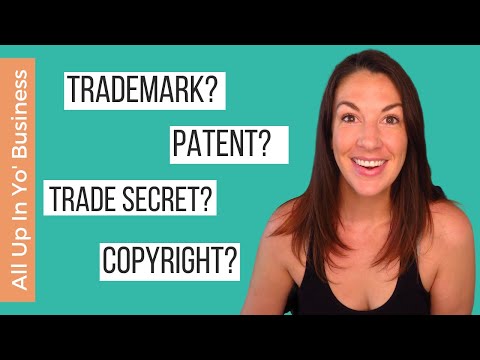
Soft IP generally covers things like trademarks and copyright. These aren’t about the physical object but rather about the ideas and expressions behind them.
- Trademarks: This is a sign that distinguishes your goods or services from others. Think of brands like Coca-Cola or Nike—those logos are their trademarks.
- Copyright: This protects original works like music, books, and films. If you’ve ever written a song or created a painting, copyright ensures no one can just take your work without permission.
So why does this matter? Well, if you’re an artist or entrepreneur in the UK, knowing how to protect your work is key to keeping what’s rightfully yours. Imagine spending months designing a logo for your startup only to find someone else using it—frustrating, right?
Now let’s chat about some important aspects of soft IP laws in the UK:
Registration: While you don’t need to register copyright for it to exist—you automatically get rights when you create something—you do have to register a trademark if you want exclusive rights over it. It’s not super complicated but requires some paperwork.
Duration: Copyright lasts for 70 years after the creator’s death in most cases. For trademarks, they can last indefinitely—as long as they’re used regularly and renewed every ten years.
Infringement: If someone uses your trademark or copyrighted material without permission, that’s infringement. You could take them to court! But hey, sometimes it’s better to settle things outside of court if possible—less hassle overall.
You know that feeling when someone steals your lunch from the fridge? Yeah, it feels kind of like that but on a much larger scale when it comes to intellectual property violations.
Understanding soft IP also means being aware of what can’t be protected. Ideas themselves aren’t protected—just how you express those ideas. So if you’ve got an awesome concept for a book but haven’t written anything down yet? You can still lose out if someone else writes a similar story before you do.
And then there’s enforcement, which can get tricky sometimes. If someone infringes on your rights, gathering evidence is super important. Keep records; they could be crucial in any potential legal issues down the line.
To wrap up (not literally!), living in this modern age means navigating through these legal frameworks with care and knowledge will help protect your creative endeavors effectively!
If you’re looking for detailed resources or specific legal jargon on soft IP law in PDF form? It may be worth checking official resources or legal websites specifically tailored toward intellectual property rights in the UK! It’s key information for anyone serious about their work!
Understanding Intellectual Property Rights in the UK: A Comprehensive Guide
Understanding Intellectual Property Rights in the UK can feel a bit overwhelming at first, but it’s really just about protecting what you create. So, let’s break it down—especially focusing on something called *Soft IP*.
Soft IP refers to intellectual property that isn’t tied to a physical object but instead relates more to creations of the mind. Think of things like brand names, logos, and even original works of art or music. Essentially, it’s about your ideas and how they can be protected under UK law.
Trade Marks are one of the key components of Soft IP. They protect your brand identity—like your logo or product name—from being used by others without your permission. For example, if you come up with a catchy name for your new line of clothing, registering that name as a trade mark is important. This means nobody else can legally use it to sell similar products.
Then we have Copyright. This is relevant for creative works like music, books, films, and software. Copyright automatically kicks in when you create something original; you don’t even have to register it! So if you write a song or draw a picture, you’re already protected without having to do anything extra. But remember, copyright doesn’t protect ideas themselves—just the specific way you express them.
Next up is Design Rights. These protect the features and appearance of a product. Imagine you design a cool-looking chair; design rights would stop others from copying that unique shape or style without your say-so. It’s all about keeping original designs secure.
Also important are Patents, though they fall more under “hard” IP rights for inventions rather than soft ones. But still worth knowing! Patents protect new inventions and processes for up to 20 years in the UK if granted (which isn’t super easy). Just keep in mind that patents are less about brands and creativity and more about technical stuff.
You might ask: why should I care? Well, think of someone pouring their heart into crafting an amazing app only to see someone else steal their idea and profit from it. Not great, right? Protecting your soft IP helps ensure that creativity is rewarded.
Now let’s talk briefly about enforcement. If someone uses your trade mark or copies your work without permission, you have rights! You could take legal action against them for infringement. But this often means consulting with legal experts who specialize in intellectual property law (those folks could help guide you through this maze).
To sum it up: Soft IP plays a vital role in guarding intellectual creations in the UK. It’s all about protecting what makes your brand unique and ensuring that you’re recognized for your hard work.
In short:
- Trade Marks: Protects brand names and logos.
- Copyright: Covers original works like music and literature.
- Design Rights: Safeguards the design aspects of products.
- Patents (for reference): Protects inventions and processes.
So there you have it! A more approachable look into Soft IP within UK Intellectual Property Law—and hopefully a clearer view on how to protect what you’ve created!
Understanding the Intellectual Property Act 2014: Key Provisions and Impacts on Innovation
The Intellectual Property Act 2014 is a significant piece of legislation in the UK, and it really shakes things up for creators and innovators. It mainly deals with what’s often called soft IP, which includes things like copyright, trademarks, and designs. So let’s break this down a bit.
First off, what’s the deal with soft IP? Well, soft IP is all about protecting ideas and creations that don’t fit into the more traditional hard assets like buildings or machinery. Think of it like this: when you create something unique—like an artwork or a catchy brand name—it’s your idea, and you want to keep it that way.
With the 2014 Act, there’s a clearer framework around how these rights work. It introduced changes that aim to help creators protect their works more effectively. For instance:
- Design Rights: The Act revamped some rules around design rights. It made it easier to register designs and enforce those rights against infringers.
- Copyright Exceptions: There are now specific exceptions for research, criticism, and news reporting which help balance rights holders with public interest.
- Trademark Registration: Changes were made related to trademark registration that streamline processes for businesses wanting to protect their brands.
Now let’s talk about why this matters for innovation. Imagine you’re an artist who has created a groundbreaking piece of digital art. With strong protection under the Act, you can control how others use your work—whether it be in advertisements or on merchandise.
This kind of security not only encourages you but also inspires others to innovate without fearing someone will simply take their idea and run with it. Without such protections? Well, creators might hesitate to share their work.
Take software development as another example. Developers can now safeguard unique code or algorithms through copyright and patents more effectively than before the Act was in place. This means if you’ve invented a new app that changes how we interact with social media, there’s less chance someone can just lift your idea right off the shelf.
In addition, there are provisions aimed at assisting small businesses. So if you’re a start-up trying to navigate through these waters alone—it can be daunting! The Act provides some support mechanisms so smaller entities have access to legal protections without breaking the bank.
To wrap things up: understanding the Intellectual Property Act 2014 is crucial if you’re creating anything innovative in the UK. Whether it’s music, art, software, or branding—the landscape has changed in ways that should foster creativity while offering solid protection for those creations. Make sure you tap into these resources so your brilliance doesn’t go unrecognized!
You know, when it comes to intellectual property law in the UK, we often think about the big hitters like patents or trademarks. But there’s this whole other side known as “soft IP” that doesn’t always get the spotlight it deserves. Soft IP usually refers to things like copyrights, designs, and trade secrets—basically, the stuff that protects creative works and brands that don’t necessarily fit neatly into the hard IP boxes.
I remember chatting with a friend who’s an artist. She poured her heart into creating these beautiful illustrations for children’s books. One day, she found out someone had borrowed her style without asking! It was frustrating, but it made me realize how crucial soft IP is for creatives like her. Copyright protects her rights and gives her control over how her art is used. Without this kind of protection, artists risk losing their unique flair to those who may not have put in the same effort or creativity.
Soft IP rights are often more informal and can be a bit tricky to navigate. Unlike patents that require you to jump through hoops and pay hefty fees, copyright kicks in automatically as soon as you create something original. But don’t get too comfortable! You still want to register your work where possible because it helps prove ownership if someone else claims your ideas.
And let’s not forget about designs—those can shape a brand’s identity almost as much as logos do. In fact, I once bought a fancy gadget simply because of its sleek design! That’s how powerful it can be; protecting those designs encourages innovation too.
So really, soft IP plays an important role in UK law by supporting creativity and innovation while also fostering an environment where people feel safe expressing themselves. It’s all about balance—you need protection while still leaving some room for inspiration to flow freely among creators.
In a world that’s constantly evolving with technology changing faster than we can keep up with, understanding soft IP is becoming increasingly vital. It’s a reminder that every doodle or clever slogan deserves respect and consideration under the law. It keeps our creative spirit alive!