
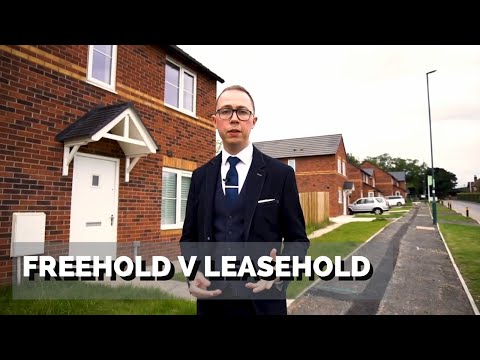
You know that feeling when you finally find the perfect flat? The one with the cozy kitchen and that sweet view of the park? It’s like, wow! But then comes the lease. Ugh, right?
Seriously, understanding residential leases in the UK can feel like trying to solve a Rubik’s Cube blindfolded. What’s a clause? Why are there so many terms you’ve never heard of?
The information on this site is provided for general informational and educational purposes only. It does not constitute legal advice and does not create a solicitor-client or barrister-client relationship. For specific legal guidance, you should consult with a qualified solicitor or barrister, or refer to official sources such as the UK Ministry of Justice. Use of this content is at your own risk. This website and its authors assume no responsibility or liability for any loss, damage, or consequences arising from the use or interpretation of the information provided, to the fullest extent permitted under UK law.
But don’t sweat it. We’re gonna break it down together. You’ll get all the scoop on what to look out for and what your rights are as a tenant—or even if you’re a landlord.
It’s all about making sure you know what you’re signing up for, whether it’s your forever home or just a place to crash while figuring life out. So, let’s jump in and untangle this whole residential lease thing!
Comprehensive Leasehold Agreement Template: Customize Your Rental Contracts with Ease
Creating a comprehensive leasehold agreement is super important if you’re renting out property or even just signing a contract as a tenant in the UK. So, what’s the deal with leasehold agreements? They basically outline the relationship between landlords and tenants. You want to make sure you know your rights and responsibilities, right?
A leasehold agreement is like a blueprint for your rental journey. It tells you everything from how much rent you pay to who’s responsible for repairs. Customizing it means making sure it fits your situation perfectly. But first, let’s break down some key components you should consider.
- Parties Involved: The agreement should name both the landlord and tenant. Full names, addresses—everything that identifies who’s who.
- Property Description: Include the full address of the property you’re renting along with any specific details about it; this avoids confusion later on.
- Length of Tenancy: Mention how long the lease lasts—like six months or maybe a year. You don’t want to end up in a situation where you thought it was short-term but it’s really long-term!
- Rent Payment Details: Make it clear when rent is due, how much it is, and how it should be paid. This can save major headaches down the road!
- Deposits and Fees: State how much of a deposit is required and under what conditions it may be retained or returned at the end.
- Responsibilities for Repairs: Outline who takes care of what in terms of maintenance—landlord or tenant? This can avoid disputes later!
- Ending the Lease: Include terms for termination—like notice periods you’d need to give if either party wants to end things early.
Let me tell ya—it’s crucial that both parties read through this carefully before signing anything! A friend once told me about her nightmare experience with a landlord who refused to return her deposit just because of some minor wear-and-tear she had not even noticed! Serious stress could’ve been avoided if they’d both agreed on these points ahead of time.
And guess what? You don’t have to stick with boilerplate language. Feel free to tailor specific clauses to match your needs! For example, if you have pets, include specifics about their presence (or absence) in the property.
Also, don’t forget about a section for signatures. Both parties should sign and date at the end; this makes it all official-like. Keep copies handy so there’s no confusion later.
In short, taking time to customize your leasehold agreement means peace of mind for everyone involved. It sets clear expectations, reduces misunderstandings and helps keep relationships friendly! And honestly, nobody wants angry texts flying around over misplaced responsibilities on repairs or late rent payments.
So yeah, as long as you’ve got all these elements covered and make things clear from day one, you’re well on your way to having an effective leasehold agreement that fits like a glove!
Understanding Head Leases in the UK: A Comprehensive Guide
Understanding head leases in the UK can feel a bit overwhelming, but don’t worry; I’m here to break it down for you. So, let’s start with what a head lease actually is.
A **head lease** is basically an agreement between a landlord (known as the **lessor**) and a tenant (the **lessee**) for property rental. In simple terms, think of it as the main lease that gives the tenant rights to occupy and use a property. Now, what makes it interesting is that this tenant can then sublet the property to someone else under a separate agreement, known as a **sublease**.
You might be wondering why someone would want to do that. Well, let’s say you rent an apartment but then get transferred for work. Instead of just giving up your place, you can offer it to someone else while still holding onto your head lease.
Now, there are some key points about head leases you should keep in mind:
- Duration: Head leases typically last for several years and include specific terms on how long the tenant can stay.
- Rent Payments: The lessee pays rent to the lessor based on agreed terms—this could be monthly or yearly.
- Responsibilities: The head lessee usually has maintenance responsibilities unless stated otherwise in the lease agreement.
- Subletting Conditions: If you’re considering subletting, check if your head lease allows it; some don’t!
Imagine Sarah who rents an amazing flat in London under a head lease. Well, her job takes her overseas for two years. Instead of losing her home, she checks her contract and finds there’s room for subletting! She finds someone reliable to take over while she’s away. That’s smart planning!
Now let’s chat about rights and obligations. A key thing is that both parties have certain roles:
- The lessor has to ensure the property is in good condition before handing it over.
- The lessee needs to pay rent on time and keep up with maintenance responsibilities.
If one party breaches these obligations—like if Sarah doesn’t pay her rent or if her landlord fails to keep the heating working—there could be consequences like eviction or legal disputes.
And here’s something essential: before entering any agreements, it’s wise to seek legal advice if you’re unsure about any terms or clauses in your contract. It might save you from future headaches!
In summary, understanding head leases helps clarify your rights as both a tenant or landlord. It opens a world of possibilities when managing properties but requires careful navigation of rules and responsibilities.
So there you have it! Hopefully this sheds some light on what head leases are all about in the UK! If you have more questions or need clarity on anything specific about residential leases or other legal matters, feel free to ask!
Understanding House Leases: Key Insights and Essential Information
So, you’re looking to get the hang of house leases, huh? Well, let’s break it down together.
Firstly, a house lease is basically a contract between you and your landlord that outlines your rights and responsibilities as a tenant. In the UK, these agreements can come in different forms, including assured shorthold tenancies, which are the most common if you’re renting from a private landlord.
Now, this lease usually includes some key points:
- Duration: This tells you how long you’ll be renting the property. It can be anything from six months to several years.
- Rent: This is pretty obvious—how much you’re going to pay and when it’s due. It’s important to check if there are any clauses about rent increases.
- Deposit: Most landlords will ask for a security deposit to cover damages or unpaid rent. Typically, this is five weeks’ worth of rent.
- Responsibilities: You’ll need to keep the place in decent shape and report any repairs needed. Your landlord has obligations too—like making sure the property is safe and habitable.
- Ending the Lease: It’s good to know how either party can end the agreement. Usually, there are notice periods involved.
Honestly, I remember when I first rented my own flat; I thought it was just about paying my rent on time. But then I got hit with all these rules! Like this one time when I didn’t water the plants as stated in my lease—my landlord wasn’t happy!
So let’s dive deeper into some of these points. The duration, for example, matters because it affects your stability as a tenant. A short-term lease might feel great at first but could lead to stress if you have to move suddenly.
The whole deposit system can be confusing too. Landlords must put your deposit in a government-approved scheme for protection—the last thing you want is to lose that money unfairly when moving out.
Also, think about what happens if things go sideways? You know? If your landlord wants you out suddenly or if repairs aren’t done promptly? That’s where knowing your rights under UK law really helps!
And don’t forget about those pesky clauses. They often include things like whether pets are allowed or what happens if you need someone else to live with you.
In case there’s a disagreement between you and your landlord (which can happen), it’s always wise to keep records—emails and messages can save your skin later on.
At the end of the day, renting a home should feel secure and comfortable. Really take time understanding that lease document before signing anything; it’s kind of like marriage material—you want to make sure you’re compatible!
When it comes to residential leases in the UK, things can get a bit tricky. You see, a lease is basically a contract between you and your landlord. It gives you the right to live in a property for a certain period while you pay rent. Pretty straightforward, right? But there’s quite a bit more to it than just signing on the dotted line.
Let’s say you’re excited about moving into your new flat. You might be dreaming of decorating or thinking about how you’ll set up your living room. But then, when you actually get into that lease agreement, it can feel like reading a different language. Seriously! There are terms like “assured shorthold tenancy” (AST) and “security of tenure” that can leave anyone scratching their head.
I remember my friend Jenny, who was feeling overwhelmed when she first rented her place. She was so eager but didn’t fully grasp all those clauses in her lease. A few months down the line, she found herself facing unexpected charges for things she thought were included! It was such a learning moment for her—and honestly, for anyone getting into renting.
So let’s break down some essentials here. Most leases will include details like how much rent you’ll pay and when it’s due, what happens if you’re late with rent, or if you’re allowed to have pets (spoiler alert: not always). And don’t forget about repairs! Your landlord usually has to keep the property safe and habitable but knowing what that entails can be murky.
Also worth mentioning is the duration of the lease. Some are fixed-term (like 12 months), while others are periodic—meaning they renew automatically unless you or your landlord decide otherwise. That can make things delightful—if everything is going well—or super stressful if you’re not happy with your living situation but feel stuck.
Now, if things go south and disputes arise, it’s good to know where you stand legally. The law is actually on your side when it comes to certain rights as a tenant. For instance, you have the right to live peacefully without harassment from your landlord.
Getting familiar with these elements before diving headfirst into renting can save so much hassle later on! And honestly? It’s all about making sure you know what you’re signing up for so that you’re not left feeling lost—and who wouldn’t want that peace of mind?


