
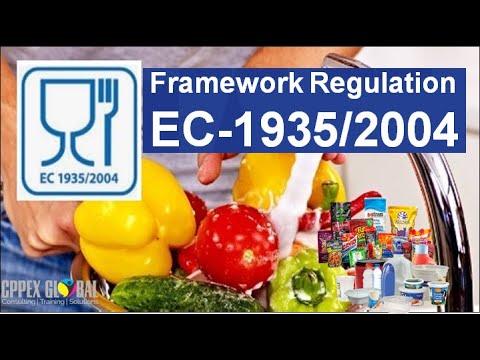
Ever bought a takeaway and thought about what’s in those containers? I mean, seriously, there’s a lot more to packaging than meets the eye.
The thing is, if you’re dealing with food or drink, you might want to know a little about Regulation EC No 1935/2004. It sounds super fancy, right? But trust me, it’s kind of a big deal.
The information on this site is provided for general informational and educational purposes only. It does not constitute legal advice and does not create a solicitor-client or barrister-client relationship. For specific legal guidance, you should consult with a qualified solicitor or barrister, or refer to official sources such as the UK Ministry of Justice. Use of this content is at your own risk. This website and its authors assume no responsibility or liability for any loss, damage, or consequences arising from the use or interpretation of the information provided, to the fullest extent permitted under UK law.
This regulation is all about safety and ensuring that materials that touch our food don’t do any harm. Imagine biting into your fave snack and realizing the wrapper has some weird chemicals in it. Yikes!
Understanding how these rules work in UK law can feel like navigating a maze at times. But don’t worry; I’m here to make it easier for you! Let’s unpack this whole thing together!
Understanding EC No 1935/2004: Key Regulations for Food Contact Materials
Alright, let’s chat about **EC No 1935/2004**, which is all about materials that come into contact with food. It sounds like a mouthful, but once you break it down, it makes sense. So, let’s dig into it.
This regulation was set up to make sure that food contact materials (or FCMs) are safe for consumers. You know how you sometimes wonder if the plastic wrap on your sandwich is safe? Well, this regulation helps with that kind of stuff.
First off, what exactly are these food contact materials? They include:
- Plastics, like the containers we use to store leftovers.
- Paper and cardboard, think pizza boxes or takeaway bags.
- Metals, such as aluminum foil or tin cans.
- Glass, like jars for sauces and jams.
The main idea behind the regulation is simple: any material that touches food needs to be safe and not release harmful substances into it. They set out specific requirements manufacturers must follow.
There are a couple of key points you need to know:
1. **Safety Assessment**: Before any FCM can hit the shelves, it has to go through a safety assessment. This means checking if it can transfer any chemicals to our food in dangerous amounts.
2. **Traceability**: If something goes wrong—like people getting sick—the regulations require manufacturers to track where their materials came from and where they went. This makes it easier to pinpoint issues.
3. **No Unauthorised Substances**: Basically, only certain chemicals can be used in making these materials. There’s a list of substances that are authorized, and if a manufacturer wants to use something new, they have to prove it’s safe first.
4. **Labelling Requirements**: You might have noticed labels on some packaging saying things like “suitable for food contact.” This isn’t just marketing chatter; it’s part of the regulations ensuring consumers know what they’re dealing with.
Now here’s a scenario for you: let’s say you buy a plastic container labeled “BPA-free.” This label helps reassure you that the container won’t leach harmful substances into your pasta salad because BPA (bisphenol A) is one of those chemicals many folks worry about.
The UK has its own regulations based on this EC regulation after Brexit but follows similar principles. They keep safety at forefront while ensuring businesses comply without too much fuss.
And look, if there’s a breach—like using unauthorized substances—the penalties can be pretty serious! Not only could manufacturers face fines, but they might also have to recall products from store shelves—that can mean huge losses!
So remember next time you’re munching on your takeaway—there’s quite a bit of serious stuff happening behind the scenes to keep your food safe! It’s all about maintaining trust in what we eat every day; keeping us secure while still enjoying our meals without worries hanging over our heads!
Understanding Post-Brexit: The UK’s Compliance with EU Law Explained
Well, Brexit has definitely changed the game for the UK and how it relates to EU law. After leaving the European Union, the UK had to figure out how to handle all those laws and regulations that used to come from Brussels. One of those important regulations is **Regulation (EC) No 1935/2004**, which deals with materials that come into contact with food. So let’s unpack this a bit.
First off, **what does Regulation (EC) No 1935/2004 say?** Basically, it ensures that materials and articles intended to come into contact with food are safe for use and won’t transfer any harmful substances. This regulation is pretty essential because we all want our food packaging—whether it’s plastic wrap or metal cans—to be safe for consumption.
Now, after Brexit, you might be wondering: Does the UK still follow this regulation? Well, not exactly in its original form. The UK has created its own set of rules while taking some elements from EU law. This means they’ve adopted parts of that regulation but tweaked things to fit their own system.
### Key points on how post-Brexit compliance works:
- UK Regulations: The UK government introduced new legislation known as “The Materials and Articles in Contact with Food (Amendment etc.) (EU Exit) Regulations 2019.” This was basically about rolling over existing EU rules into UK law.
- The Safety Assessment: Like the EU system, products must still undergo safety assessments before hitting the market.
- Traceability: Businesses must keep track of their materials—know where they come from and ensure they meet safety standards.
- Labelling Requirements: Just like before Brexit, if your product uses specific materials, you still have to label them properly.
So what does all this mean for businesses? If you’re an importer or manufacturer in the food sector, you need to be aware that anything intended for food contact needs to comply with these new regulations. It’s not such a big leap since many of these rules were already in place, but it’s crucial to stay updated on potential changes.
Another thing worth noting is enforcement; under EU law, there were strict penalties for non-compliance. In the UK now post-Brexit, while penalties exist too—aimed at keeping things safe—you might notice a slight difference in how they’re applied or enforced.
Let’s think about an example: Imagine you run a small bakery that uses decorative packaging made from shiny plastic—something like cupcake boxes or cake boards. Under both EU and current UK regulations, you’d have been required to ensure those materials are safe. Post-Brexit changes mean keeping your eye on updates specifically from **UK regulations**, rather than worrying about potential shifts coming directly from Brussels.
In summary? While there’s a lot of noise around Brexit changing everything; when it comes down to food safety laws like Regulation (EC) No 1935/2004—the core principles remain largely intact but under a new framework designed by the UK’s own rules. Keeping compliant just requires being aware of local amendments and ensuring your products are always up to standard!
Comprehensive Guide to Complying with UK Food Safety and Hygiene Legislation
Understanding food safety and hygiene legislation in the UK can feel a bit overwhelming, but don’t worry! Let’s break it down together, focusing on Regulation EC No 1935/2004 and how it fits into UK law.
First off, this regulation mainly deals with materials that come into contact with food. That includes packaging, utensils, and anything else that might have some kind of direct interaction with your grub. The aim is to make sure that these materials don’t transfer harmful substances to food. You want your meals to be safe, right?
Now, compliance isn’t just a checkbox you tick off on a form. It involves several key aspects:
- Safety First: Ensure materials used in food contact are safe for their intended use.
- Traceability: Keep records of where your materials come from. This helps if something goes wrong.
- Clear Information: Labels should clearly state the purpose of the material and any conditions for use.
- Testing: Regular testing might be needed to confirm that your materials meet safety standards.
Let’s put this into perspective. Imagine you’re running a café. You’ve just ordered some new takeaway containers. You need to check if they comply with the regulation before serving up delicious sandwiches! Not doing so could lead to issues like food poisoning or worse.
The regulation also emphasizes good manufacturing practice. That means you should be following certain standards in how you produce or handle food-contact materials. Seriously, think about it—if there’s contamination during production, it’s not just bad for business; it can harm people!
But with all this legal talk, you might wonder—what are the consequences of not following these rules? Well, if you’re found non-compliant, there can be serious repercussions including hefty fines or even being shut down! Yikes!
Another critical piece is understanding how Brexit changed things a bit in the UK landscape for food regulations. Now that we’re no longer part of the EU, some specific terms may have evolved since the transition period ended. You’ll want to keep an eye on UK-specific guidelines as they develop further.
Remember: whatever size your operation is—from a small cupcake shop to a large supermarket chain—you need to ensure compliance every step of the way.
In summary: complying with EC No 1935/2004 isn’t just about following laws; it’s about keeping people safe and running your business smoothly! So whether you’re making soup at home or managing a bustling restaurant kitchen, stay informed and make sure everything that touches that tasty dish is up to snuff!
Navigating regulation EC No 1935/2004 in UK law can feel a bit like walking through a maze, especially if you’re not familiar with the ins and outs of EU legislation. It’s all about food contact materials and ensuring they’re safe for consumers. Now, this might sound pretty technical, but hang on a second.
Imagine you’re planning a picnic and you want to use that cute set of plastic plates you picked up. You probably wouldn’t think twice about it, right? But if those plates had chemicals that could leak into your food, that’s a big NO. Regulation EC No 1935/2004 is there to make sure that doesn’t happen. It sets out rules for materials that come into contact with food—like packaging and kitchenware—ensuring they’re safe for use.
After Brexit, the UK had to figure out how to handle these regulations. So now, you’ve got this mix where some parts of EU laws were kept while others changed. Basically, the UK took some of those regulations and made its own version called The Materials Regulations 2012. It’s like having your favorite recipe but deciding to tweak it just a bit.
But it can get tricky! If you’re a business owner wanting to sell products in the UK or Europe, you’ve got to keep an eye on both sets of rules if you want smooth sailing across borders. I once knew someone who poured her heart into creating eco-friendly packaging only to find out her designs didn’t meet specific safety standards laid out by these regulations. Talk about disheartening!
So anyway, being aware is key. Knowing how regulation EC No 1935/2004 applies—whether you’re a consumer or a producer—can help prevent unwanted surprises down the line. It’s easy to overlook these details until they suddenly hit home in unexpected ways! Keeping informed ensures safety first so we can all enjoy our picnics without worry—or at least with less worry!


