
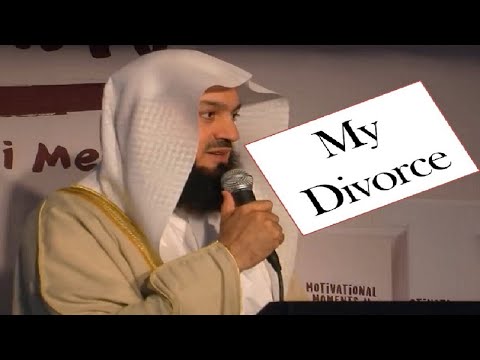
You know, it’s funny how the world of celebrity can turn your head upside down. Take Mufti Menk, for instance. He’s this well-known Islamic scholar, right? But then, bam! He’s in the news because of a divorce. Makes you think — what do we really know about the legal bits behind such personal matters?
Divorce is never easy, and it’s like opening a can of worms with all those legal implications hanging around. In the UK, it gets even trickier. You’ve got to deal with finances, custody of children if there are any, and so much more.
The information on this site is provided for general informational and educational purposes only. It does not constitute legal advice and does not create a solicitor-client or barrister-client relationship. For specific legal guidance, you should consult with a qualified solicitor or barrister, or refer to official sources such as the UK Ministry of Justice. Use of this content is at your own risk. This website and its authors assume no responsibility or liability for any loss, damage, or consequences arising from the use or interpretation of the information provided, to the fullest extent permitted under UK law.
So, let’s break it down together! We’ll take a peek at what happens when someone like Mufti Menk goes through this process here in the UK. It could be eye-opening!
Understanding the Validity of Islamic Divorce in the UK: Key Insights and Considerations
So, you’re curious about the validity of Islamic divorce in the UK? It’s a pretty interesting topic, especially given how cultural and legal systems mesh together. Let’s break it down.
First off, Islamic divorce, or talak, is based on Sharia law. In the UK, many Muslims prefer to follow Islamic principles concerning marriage and divorce. However, there’s a catch: under UK law, Islamic divorces aren’t automatically recognized as legally binding. You follow me?
Basically, if someone like Mufti Menk — who’s well-known in the Muslim community — goes through a divorce according to Islamic law, it doesn’t mean it holds any legal weight in the eyes of the British courts. This can lead to situations where individuals think they’re divorced but are still legally married under UK law! Can you imagine finding that out later on?
Here are some key insights and considerations regarding this issue:
- Legal Recognition: For an Islamic divorce to hold up legally in the UK, it’s essential for both parties to also obtain a civil divorce from a UK court.
- Judicial Guidance: Recent cases have made it clear that just having an Islamic divorce isn’t enough for property or child custody issues.
- Cultural Sensitivity: Many people going through an Islamic divorce might be unaware of these legal implications. There’s often a lack of support in navigating both systems.
- Mediation Services: Seeking services that understand both religious and civil angles can help ease this process. Not all mediators are created equal!
The emotional weight behind marital breakdowns can be heavy. Imagine being part of a community where you believe you’ve fulfilled your religious obligations only to find out there’s another layer of complexity with the law. It can be frustrating!
If you go through an Islamic divorce and want it recognized legally in the UK, you’ll need to pursue that civil route without fail. This means filing for divorce through the Family Court system here.The two processes—religious and civil—are separate but they must align if you want everything squared away properly.
This aspect becomes critically important when it comes to things like financial settlements or child custody arrangements because these issues will generally require that legal recognition to resolve fairly and effectively.
If all this sounds complicated—well, that’s part of why it’s vital to stay informed! Living in a multicultural society means understanding how different legal systems interact can really help prevent misunderstandings down the line.
Taking these steps ensures you’re not left hanging when it comes time to untangle those very real implications surrounding marriage and family life!
If you have more questions or need clarification around any part of this process, don’t hesitate! Sometimes talking things through really helps clarify those tricky bits!
Understanding the Legality of Mosque Marriages in the UK: What You Need to Know
Understanding the Legality of Mosque Marriages in the UK
So, mosque marriages, or Islamic marriages, right? They’re a big deal for many couples in the UK who want their union to be recognized under both religious and civil law. However, navigating through this can get a bit tricky, especially when you look at the legal implications. Let’s break it down.
First off, it’s crucial to understand that an Islamic marriage ceremony, known as a *Nikah*, doesn’t automatically confer legal status in the UK. You might have had a beautiful ceremony at your local mosque with family and friends. Still, unless you also register that marriage with civil authorities, it might not hold up legally if things go south.
Here’s where it gets important: only civil marriages are legally recognized by the UK government. This means if you want your marriage to have legal standing (like for inheritance rights or making decisions during health crises), you need to ensure you’re also having a civil ceremony.
Many folks don’t realize this. Imagine being happily married for years and then facing unexpected challenges — maybe an illness or needing to sort out finances — only to find out that your marriage isn’t legally binding because it wasn’t registered properly!
Now let’s dive into some key points regarding mosque marriages:
And what about divorce? Well, as seen in Mufti Menk’s situation recently, there can be complications here too. If you’ve only had a mosque marriage and decide to split, it gets messy because you’re not protected under civil law — which can seriously impact how assets are divided or even responsibilities regarding kids.
In essence, whether you’re tying the knot or thinking about parting ways later on, understanding these legal nuances is vital. So take your time to educate yourself! Knowing your rights can save so much heartache down the line.
To wrap it up: marrying in a mosque without registering it with civil authorities means your marriage isn’t officially recognized in the UK. If things change later on—be they joyous events or difficult separations—it’s essential that you’re fully informed about what your choices mean legally. That way you’ll always be prepared!
Understanding the Legal Status of Sharia Law in the UK: What You Need to Know
Sure, let’s break it down. Sharia law, you know, is a religious legal system based on Islamic principles. It’s important to understand how it fits within the UK legal framework. So, here goes!
Legal Status of Sharia Law in the UK
Sharia law doesn’t hold actual legal power in the UK, you see. It operates mainly as a personal guide for many Muslims regarding their faith and daily lives. But that doesn’t mean it’s completely irrelevant legally.
Personal Status Matters
Here’s the thing: while civil courts don’t recognize Sharia law in terms of criminal or family law, they can consider it in matters like marriage and divorce if both parties agree. This is quite common among Muslims who wish to resolve disputes without going through traditional court systems.
For example, if a couple who followed Sharia wanted a divorce, they might seek a Sharia council to help them with their situation. These councils can offer advice and mediation based on Islamic principles. However, the decisions made there can’t override UK laws.
Challenges Arising
Now, this can get complicated! Sometimes decisions from these councils might clash with UK laws. If there are issues about custody or financial settlements after divorce, for instance, those matters would likely fall under English law regulations—meaning they have to comply with what UK courts say.
Think about Mufti Menk’s situation for a second. If he was involved in a divorce case here under Sharia principles but then brought his issues to court for any reason—like custody—his past agreements might not necessarily hold up if they contradict what UK judges decide.
- Marriage Contracts: These can be influenced by Sharia but must align with civil law.
- Civil Vs Religious Courts: You often need dual resolutions.
- Custody Issues: Family courts prioritize children’s welfare based on UK guidelines.
The Bottom Line
If you’re navigating issues around marriage or divorce involving Sharia law here in the UK, it’s wise to consult both religious authorities and legal professionals specializing in family law. Each situation is unique!
So yeah, while you can blend your cultural practices into your life here, being clear about what’s acceptable legally is key! Keep yourself informed because this stuff isn’t static; it evolves over time like anything else!
In short: respect your traditions but make sure you’re also following the rules of the land you live in!
When a high-profile figure like Mufti Menk goes through a divorce, it’s hard not to pay attention. It’s not just about the celebrity status; there are real-life legal implications that many people might not consider.
In the UK, divorce can be quite complex, especially when it involves significant public figures. So, let’s imagine for a second: you’re scrolling through social media and see news of his separation. You might feel that little tug at your heart, right? After all, we often connect with public personalities as if they’re part of our lives. But behind the scenes, things can get messy.
First off, there’s the question of assets. If you’ve built a life together—possessions, properties, maybe even businesses—figuring out who gets what can be tricky. In England and Wales, the court looks at what’s fair for both parties involved. It’s not necessarily a 50-50 split but rather an assessment that considers each person’s financial position and contributions to the marriage.
Also, if kids are in the picture—which I really hope they’re not caught up in anything distressing—it adds another layer of complexity. Custody arrangements and child support become critical considerations. The courts always prioritize what’s in the best interest of the children involved.
Moreover, there’s something about public scrutiny too. When you’re in the limelight like Mufti Menk, every detail is often under some kind of spotlight. This can affect how legal proceedings unfold; public opinion may come into play more than one would expect.
It’s important to realize that no matter how famous you are, everyone faces similar emotional challenges during a divorce—grief over what was lost or fear about what comes next. While laws provide structure and guidelines for handling divorces fairly and justly in the UK, human emotions add a layer that courtrooms can’t quantify.
At this point in time, it serves as a reminder that no one’s exempt from life’s trials—even those we look up to—and that behind every headline is just another person navigating their own battles and seeking fairness amid chaos.

