
You know, the other day I was watching a crime documentary, and they casually mentioned money laundering like it’s just another part of daily life. It got me thinking—most people don’t really grasp what it actually means.
I mean, let’s be real. Money laundering is a bit like that magic trick where a coin disappears and reappears somewhere else, but way less fun. People take ‘dirty’ money and turn it into ‘clean’ money, all while making it look legit.
The information on this site is provided for general informational and educational purposes only. It does not constitute legal advice and does not create a solicitor-client or barrister-client relationship. For specific legal guidance, you should consult with a qualified solicitor or barrister, or refer to official sources such as the UK Ministry of Justice. Use of this content is at your own risk. This website and its authors assume no responsibility or liability for any loss, damage, or consequences arising from the use or interpretation of the information provided, to the fullest extent permitted under UK law.
So, what goes down in the UK regarding this? Trust me; it’s not just about shady characters in dark alleys. There are real laws and processes involved. And you might find some surprising things along the way!
Understanding UK Money Laundering Legislation: Key Laws and Regulations Explained
Money laundering is a big deal in the UK. It’s like trying to make dirty money look clean. You might be wondering, why does this matter? Well, it’s all about preventing crime and keeping our financial systems safe.
First off, let’s break down what money laundering actually is. Basically, it’s when someone takes money from illegal activities—like drug trafficking or fraud—and tries to hide where it came from. They want to make it look like the money came from a legitimate source.
There are three main stages in money laundering:
- Placement: This is where the dirty money enters the financial system. It could be deposited in a bank or used to buy assets.
- Layering: Here, the goal is to conceal the source of the money. This often involves complex transactions, like moving funds between different accounts or countries.
- Integration: Finally, this is when the laundered money comes back into circulation, looking totally legit. It can be spent without raising eyebrows.
Now, let’s get into some key laws that tackle this issue. The Proceeds of Crime Act 2002 (POCA) is one of the most important legal frameworks for addressing money laundering in the UK. This act allows authorities to seize assets obtained through criminal activities and sets out what constitutes as “proceeds of crime.”
Another significant piece of legislation is the Money Laundering Regulations 2017. These regulations set out how businesses should prevent money laundering and identify suspicious activities. If you run a business, you have to know your clients and keep records of their transactions—this is called KYC (Know Your Customer). It helps catch potential issues before they escalate.
Also worth mentioning are the obligations under The Terrorism Act 2000. Money laundering isn’t just about hiding cash; it can also fund terrorism. So yeah, that law helps combat both issues.
Sometimes people wonder: what happens if you’re caught up accidentally? If you unknowingly handle laundered money or fail to report suspicious activity, things can get complicated fast! You might face hefty fines or even imprisonment if it’s proven you were negligent.
Real talk: there was once a case where a small business owner accepted cash payments without asking too many questions—that raised a lot of eyebrows! Eventually, they found out some cash came from illegal gambling rings. That’s a prime example of how quickly things can go wrong if you’re not aware!
In sum, understanding UK money laundering legislation isn’t just for lawyers or big corporations; it’s something everyone should be aware of because it affects all aspects of society and finance. Keep your eyes peeled for any red flags! And remember, being informed means you’re better prepared to navigate these waters safely!
Understanding the UK’s Money Laundering Strategy: Regulations, Measures, and Enforcement
Understanding money laundering in the UK can be a bit of a maze, but let’s break it down. It’s not just about hiding dirty money; it’s about keeping our financial systems clean. When you think of money laundering, you probably picture someone doing dodgy deals, right? Well, it can actually affect all of us by undermining the economy and supporting criminal activities.
The UK’s **Anti-Money Laundering (AML)** regulations exist to prevent criminals from making their dirty money look clean. The main laws that govern this are part of the **Proceeds of Crime Act 2002** and the **Money Laundering Regulations 2017**. These laws set out how businesses and individuals must act to stop money laundering.
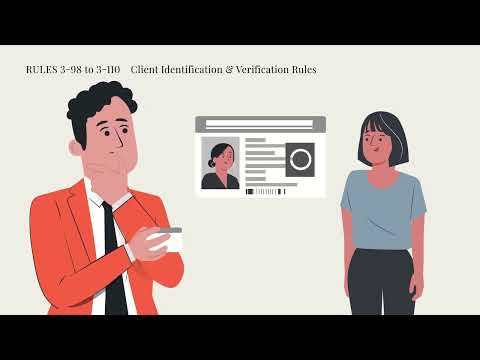
One way this works is through **Know Your Customer (KYC)** measures. This means that banks and financial institutions have to verify who you are before they do business with you. They collect basic info like your name, address, and some ID. Imagine going into a bank for a loan – they’re gonna want to see your details before handing over cash!
In terms of enforcement, we have the **National Crime Agency (NCA)** overseeing things. If they suspect any funny business related to money laundering, they can step in. For instance, they’ve been known to freeze accounts if there’s even a hint that something shady is going on.
Now let’s talk about how businesses are expected to comply with these regulations:
- Risk Assessment: Companies must identify risks associated with their operations.
- Customer Due Diligence: They need to know who their customers are.
- Ongoing Monitoring: Businesses should monitor transactions continuously.
- Reporting Suspicious Activity: If something looks off, they must report it to the NCA.
It’s important for businesses because failing to comply can lead to hefty fines or worse—criminal charges against the owners or employees involved. Remember that infamous case where a bank was fined millions for not reporting suspicious transactions? Yeah, it happens!
You know what else is interesting? The UK has committed to international cooperation on AML measures. This means working with other countries because let’s face it—money doesn’t care about borders! The UK collaborates with organizations like the **Financial Action Task Force (FATF)** to align its policies globally.
In recent years, the strategy has evolved too! There’s more focus on tech now—like using data analysis tools to spot unusual patterns in financial transactions quickly. Picture algorithms sifting through mountains of data faster than any human could ever dream!
To wrap things up here: understanding money laundering and its prevention is crucial for all of us living in the UK today. It impacts everything from fairness in business practices to national security. By knowing how these regulations work and why they’re there, you’re better equipped to navigate your own financial dealings—and maybe spot anything fishy if it pops up!
Understanding the Primary UK Law for Money Laundering Prosecution: Key Regulations and Implications
Understanding Money Laundering Prosecution in the UK
So, let’s chat about money laundering. It sounds a bit complicated, but it’s actually pretty straightforward once you break it down. The UK has some serious rules in place to tackle this sneaky business of making “dirty” money look clean. And if you’re curious about the details, you’re in the right spot.
First off, what exactly is money laundering? Well, it’s when someone takes money that comes from illegal activities—like drug trafficking or fraud—and tries to make it seem like it’s from a legitimate source. The three main stages are placement, layering, and integration. You know, like trying to wash away the bad and get things all squeaky clean.
Now for the legal stuff! The Proceeds of Crime Act 2002 (POCA) is one of the primary laws concerning money laundering in the UK. This act sets out how authorities can seize assets gained from crime and how they can prosecute people involved in money laundering. It’s a big deal because it not only targets those who launder money but also addresses those helping them do it.
Additionally, we have the Money Laundering Regulations 2017. These regulations put a spotlight on businesses that handle large sums of money such as banks and estate agents. They must have systems and processes in place to detect suspicious activities. If they don’t follow these regulations? Well, they could face hefty fines or even criminal charges themselves!
Here are some key points about these laws:
- Obligations: Businesses must carry out customer due diligence (CDD). This means verifying who their clients are.
- SARs: If a business suspects something fishy is happening, they need to file a Suspicious Activity Report (SAR) with the National Crime Agency (NCA).
- Punishments:<!–b> Those caught laundering money can face serious consequences—including long prison sentences and heavy fines.
- Awareness Training: People working in finance must undergo training to spot signs of potential money laundering.
Let me tell you a little story here—there was this chap named Tom who invested his earnings into a seemingly random business venture. But when investigators dug deeper, they found that Tom’s funds had suspicious beginnings linked to organized crime! So yeah, this kind of thing is taken really seriously by law enforcement.
In summary, understanding these regulations helps keep our financial systems safe from those looking to make ill-gotten gains look legitimate. And remember—if you ever find yourself tangled up in anything dodgy regarding finances or investments, it’s best to seek proper guidance. Money laundering isn’t just someone else’s problem; it’s everyone’s business!
Money laundering, in simple terms, is the process of making “dirty” money look “clean.” It’s a bit like trying to wash away the stains on a favourite shirt – you know the stains are there, but you want to hide them from view. In the UK, this process has been tackled pretty seriously under various laws and regulations.
The Proceeds of Crime Act 2002 is one of the key pieces of legislation. It sets out how criminals can be stripped of their ill-gotten gains. So, let’s say someone earns money from illegal activities, like drug trafficking or fraud. This law ensures that those gains can be seized by authorities.
Now, there’s this whole layer of complexity when it comes to how businesses and individuals report suspicious activities. If a bank notices something off about a transaction – maybe it’s unusually large or just doesn’t fit with what they know about you – they have a duty to report it via a Suspicious Activity Report (SAR). I mean, imagine you’re in a cafe watching your friend suddenly pull out wads of cash without any explanation. You’d start questioning things too, right? That’s basically what banks are asked to do.
What often happens next is an investigation where law enforcement digs deeper into where that money came from and whether any laws were broken. If it turns out someone did commit crimes, well then that dirty money might be taken away for good.
You might think this whole process sounds straightforward, but it gets tricky because proving something was obtained illegally isn’t always clear cut. There can be innocent explanations for large sums of money or even investments gone wrong. This gray area makes life pretty hard for businesses who have to balance compliance with customer relations.
Then there’s the role of international cooperation in tackling money laundering too. Criminals don’t care about borders; they’ll shift their funds across countries faster than we can blink! The UK works with various international bodies to track these movements down and ensure that when crime happens internationally, we’re not left standing still.
It’s worth mentioning that being accused of being part of money laundering can cast a big shadow over someone’s life.I remember hearing about a guy who ran a small business but found himself in hot water when his client turned out to have questionable sources for their funding. He felt helpless as his reputation took a hit due to something beyond his control.
In short, navigating through the labyrinthine world of money laundering laws in the UK isn’t just about ticking boxes; it’s also about protecting innocent people while bringing criminals to justice. The system isn’t perfect, and there’s plenty more work ahead—like finding better ways for businesses to stay compliant without losing clients or getting dragged into murky waters themselves!


