
You know that feeling when you’re trying to put together Ikea furniture and the instructions are just, like, completely impossible to follow? That’s kinda how it feels trying to navigate UK laws sometimes. Seriously, one minute you think you’ve got it all figured out, and then bam! There’s another regulation popping up out of nowhere.
So, let’s chat about the latest legislation and regulations in the UK legal system. It’s a bit of a maze, but don’t worry—we can tackle it together. From new rules that affect your everyday life to changes that might seem a bit niche, there’s always something happening.
The information on this site is provided for general informational and educational purposes only. It does not constitute legal advice and does not create a solicitor-client or barrister-client relationship. For specific legal guidance, you should consult with a qualified solicitor or barrister, or refer to official sources such as the UK Ministry of Justice. Use of this content is at your own risk. This website and its authors assume no responsibility or liability for any loss, damage, or consequences arising from the use or interpretation of the information provided, to the fullest extent permitted under UK law.
Picture this: You’re sitting in a pub with your mates when someone casually mentions the latest law passed. Everyone starts nodding along like they get it but deep down they’re just as lost as you are. The cool part? By the end of this chat, you’ll be the one dropping knowledge bombs at the next round!
Ready to dive into this confusing yet fascinating world? Let’s make those laws less daunting and more like a fun conversation over pints.
Understanding the Legislative Process in the UK: A Comprehensive Guide
The legislative process in the UK can feel like a bit of a maze, right? But don’t worry! I’ll break it down for you so it’s not so daunting.
First off, **the legislative process** is basically how laws are made in the UK. It involves different stages and players who all have their own roles. You’ve got the Parliament at the heart of this process, made up of two Houses: the House of Commons and the House of Lords. Let’s walk through this step by step.
1. Proposal of a Bill
It all kicks off when someone proposes a new law, which is called a **bill**. This can come from government ministers or even from individual MPs or Lords (these are called private members’ bills). For example, someone might say, “Let’s create a law about recycling to help reduce waste.”
2. First Reading
Next up is the **first reading**, which is pretty straightforward—there’s no debate or vote yet. They just announce the bill’s title and make copies available for everyone to see.
3. Second Reading
Now we’re getting into it! During the **second reading**, MPs or Lords debate whether they think it’s a good idea or not. It’s kind of like having a chat with your friends about your new recycling plan to see if they think it would work! After that discussion, there’s usually a vote.
4. Committee Stage
If it gets through that round, it heads to what we call the **committee stage**. Here, smaller groups look at every detail of the bill—like fine-tuning your recycling plan before you actually start using it. They can suggest changes too!
5. Report Stage
Once that’s done, there’s the **report stage**, where any further amendments can be considered before heading back to debates in full House again.
6. Third Reading
At this point comes the **third reading**—this is basically a last look over before deciding if they want to send it on its way or not.
Now here comes an important part: If it’s passed by one House (say, Commons), it’ll go to the other House (Lords) and go through similar steps again—first reading, second reading…you get where I’m going with this!
If both Houses agree on something, they then send it off for Royal Assent from the monarch—a formality nowadays but still an important tradition! Once that’s granted, boom—the bill becomes law!
As you see, while this whole process has lots of steps and details that might seem confusing at first glance but once you get into it—you realize it’s just about talking things out and working towards making laws that help people live better lives together.
Remember though; laws can sometimes be complicated! If you’re ever in doubt about what any part means or how something might affect you personally? It could be worth trying to chat with someone who knows their stuff about law more directly—just saying!
Understanding the Difference Between Legislation and Regulations in the UK: A Comprehensive Guide
Understanding the difference between legislation and regulations in the UK can be a bit tricky, but it’s essential to get your head around it. Let’s break things down into bite-sized pieces.
Legislation is basically the big stuff. It’s like the main law of the land, created by Parliament. When you hear about new laws being passed, like changes to criminal law or employment rights, that’s usually legislation. These laws are formally written down and must be followed.
On the other hand, regulations are more specific rules or guidelines that come from that broad legislation. Think of regulations as the nuts and bolts that help put legislation into practice. They spell out how to follow those laws in detail.
For instance, let’s say Parliament passes a law about environmental protection (that’s legislation). Then, they might create regulations outlining how businesses should manage waste to comply with that law. You see? The regulation helps enforce the broader legislative intention.
Now, here are some important points to keep in mind:
- Legislation is made by Parliament: This includes Acts of Parliament and secondary legislation.
- Regulations implement legislation: They are often created by governmental bodies based on powers given in an Act.
- Legislation tends to be broader: It sets out general principles while regulations provide specifics.
- Both have legal force: You can get into legal trouble for ignoring either one!
It might feel overwhelming at times. I remember when I first started looking into this stuff. I was confused about why two different terms were used for what seemed like similar concepts. But once you grasp their relationship—how regulations support and clarify legislation—it becomes much clearer.
Another thing worth mentioning is scrutiny. Legislation usually goes through a rigorous process with debates and votes in Parliament before it becomes law. Regulations may not undergo as much public scrutiny since they’re more technical and detailed.
In short, when you’re trying to navigate legal matters in the UK, remember: legislation gives you the big picture, while regulations fill in all the details. So if you find yourself dealing with a legal issue or just want to understand your rights better, knowing this difference can really help you make sense of it all!
Understanding the UK Legal System: A Comprehensive Overview of Its Structure and Functioning
The UK legal system is, let’s say, a bit of a complex beast. It’s got different layers and operates in various ways across its regions. So, if you’re feeling overwhelmed by it all, don’t worry! We’ll break it down.
First up, the Structure. The UK is divided into four countries: England, Wales, Scotland, and Northern Ireland. Each has its own system of laws and courts. England and Wales share a legal system, which adds a bit of confusion sometimes. But here are the key elements:
- Legislation: This is basically the laws passed by Parliament. You know, stuff like criminal law or civil law. It fits neatly under statutory law.
- Common Law: This is law developed through court decisions over time. Judges interpret laws based on previous cases—this helps keep things consistent.
- European Law: Even post-Brexit, some European regulations still influence UK law until new guidelines are set up.
- Devolved Governments: Scotland, Wales and Northern Ireland have their own parliaments/assemblies that can make certain laws specific to their regions.
Now let’s chat about how this all functions together.
Court System: There are different levels of courts depending on the seriousness of a case.
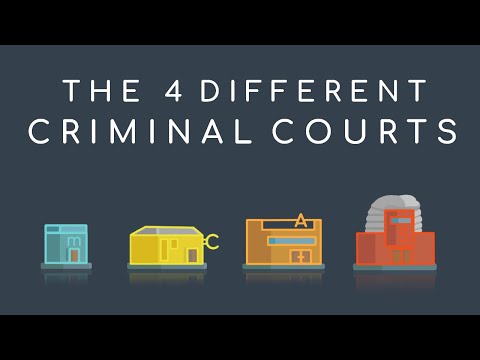
- Magistrates’ Courts: These handle less serious crimes like petty theft or traffic violations. Think about your local magistrate as the first line in the legal battle.
- Crown Court: Serious criminal cases go here—think murder or robbery. The Crown Court handles jury trials.
- Civil Courts: If you’re dealing with disputes between people or businesses (like contracts), this is where it happens.
- The Supreme Court: This is the highest court in the UK. It’s where you go when you’ve hit the wall with other appeals—it’s like your last shot!
The Role of Judges: They interpret the law and ensure fair trials happen. They’re kind of like referees but for legal matters—making sure both sides get to present their case.
Let’s not forget about Laws and Regulations. These directly affect everyday life—from driving rules to health care laws—and understanding them can be crucial.
For example:
– If you’re starting a business? You’ll need to navigate regulations around employment rights.
– Ever thought about building your own home? Planning permission isn’t just something you brush off; it requires familiarity with local bylaws.
A little anecdote to lighten things up: I remember helping a friend who wanted to open a café in London. The labyrinth of health regulations was mind-boggling! But once we started untangling everything step by step, suddenly it wasn’t that scary anymore.
Navigating current legislation really means keeping an eye out on both local and national changes too—because rules can evolve based on stuff happening in society or even globally (like climate change concerns).
So yeah, even though it feels heavy at times, getting your head around the UK legal system doesn’t have to be daunting if you break it down gradually into bite-sized pieces! And knowing what’s out there can empower you immensely—you’ve got rights and responsibilities just waiting for you to discover them!
So, navigating through the current legislation and regulations in the UK legal system can feel like trying to find your way through a dense fog, right? I mean, with so many changes happening all the time, it can be overwhelming to keep up.
Take a moment and think about the last time you heard about a law that changed. Maybe it was something simple, like how we handle waste or perhaps something more complex, like new immigration rules. It’s wild how these laws impact our daily lives in ways we might not even realize! Imagine a family just trying to get by, suddenly finding themselves tangled up in red tape because of some new regulation about housing. It can be tough.
The thing is, the UK legal system is constantly evolving. Laws are introduced, amended, or even repealed based on what society needs at any given moment. And let’s be honest: it can all feel like a never-ending maze of legal jargon and procedures. You could be an ordinary citizen just trying to understand your rights or obligations and boom! You’re hit with terminology that sounds like it belongs in another realm entirely.
What makes this maze even trickier is that not everyone has access to clear information about what these changes mean for them personally. It’s as if there’s a huge gate that keeps swinging closed just when you think you’re getting somewhere. You might find yourself scratching your head over something as straightforward as community regulations or planning laws.
But here’s the kicker: there are folks out there working hard to simplify things for everyone. Local advocacy groups and online resources are popping up left and right to help people make sense of legislation that affects their lives directly. Like community workshops where people gather to share their experiences or even grassroots campaigns fighting for fairer laws—that’s where change starts!
At the end of the day, staying informed isn’t just about knowing what’s happening; it’s really about understanding how these regulations affect you personally and your community at large. So yeah, while navigating this intricate system can sometimes feel frustrating or confusing, it’s essential to stay engaged and informed. Because honestly? The law is meant for us all, and knowing our rights helps us stand tall in this ever-shifting landscape!


