
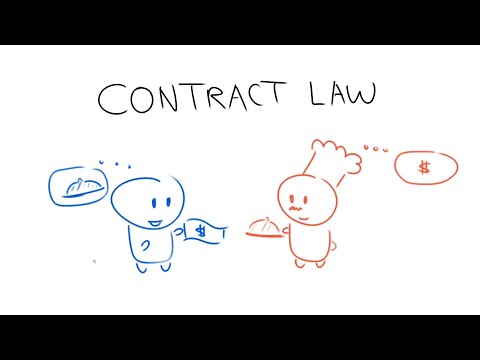
You know that feeling when you sign a contract and think, “What did I just agree to?” Yeah, me too. It’s kind of like when you say yes to a dinner party and later realize it’s a vegan potluck. You’re wishing you’d read the fine print!
Legal agreements in the UK are a bit like that—often confusing but super important. They pop up everywhere, from buying a house to getting your phone plan sorted. Seriously, knowing what’s in that small print can save you from some major headaches.
The information on this site is provided for general informational and educational purposes only. It does not constitute legal advice and does not create a solicitor-client or barrister-client relationship. For specific legal guidance, you should consult with a qualified solicitor or barrister, or refer to official sources such as the UK Ministry of Justice. Use of this content is at your own risk. This website and its authors assume no responsibility or liability for any loss, damage, or consequences arising from the use or interpretation of the information provided, to the fullest extent permitted under UK law.
So, what are the key elements you need to keep an eye on? Let’s break it down in simple terms. Understanding these basics can make all the difference when you find yourself in a legal pickle, believe me!
Essential Elements of a Contract Under UK Law: A Comprehensive Guide
So, let’s talk about contracts in the UK. You might be thinking, “What do I actually need to know to make a contract?” Well, there are some key elements that form the backbone of any legal agreement. Let’s break it down.
1. Offer
First up is the offer. This is when one party makes a clear proposal to another. For instance, if you say, “I’ll sell you my bike for £200,” you’re making an offer. It has to be specific enough that the other party knows exactly what they’re agreeing to.
2. Acceptance
Next is acceptance. This is all about saying “yes” to the offer. If you reply, “Great! I’ll take it,” that’s acceptance of the bike deal. Just remember, acceptance must match the terms of the offer exactly; otherwise, it can turn into a counter-offer.
3. Consideration
Now onto consideration—it’s basically what each party gives up in exchange for something else. In our bike example, your £200 is consideration for the bike. It doesn’t have to be money; it could be services or goods too.
4. Intention to Create Legal Relations
This one’s important: both parties must intend for their agreement to be legally binding. You know how mates sometimes make casual agreements? That won’t hold up in court! If you’re sealing a deal with someone and both of you plan on it being serious—like signing a lease—then you’ve got this element down.
5. Capacity
Then there’s capacity, which means that both parties need to have the legal ability to enter into a contract. For example, if someone is under 18 or mentally incapacitated at the time of agreement, they may not have capacity.
6. Legality
Finally, let’s chat about legality—you can’t form a contract based on illegal activities or things against public policy like selling drugs or engaging in fraud! If your contract involves something illegal, it’s void from the get-go.
So yeah, those are your essential elements! To sum it up:
- Offer: A clear proposal.
- Acceptance: A matching agreement.
- Consideration: Something exchanged.
- Intention: A serious legal relationship.
- Capacity: The legal ability to agree.
- Legality: Must involve lawful activities.
It’s pretty straightforward when you think about it this way! Just keep these pieces in mind when forming any kind of agreement and you’ll be doing great!
Understanding the Four Essential Elements of a Legal Contract
Understanding the Four Essential Elements of a Legal Contract is key if you’re stepping into any kind of agreement in the UK. You may not think about it, but contracts are everywhere. From signing up for a mobile phone to making big business deals, they shape the way we interact with one another. So, let’s break down those four essential elements you need to keep in mind.
First up, we have Offer. This is basically the first step in forming a contract. One party makes a proposal. For example, if you want to sell your old bike for £100, that’s your offer. It’s got to be clear so there’s no confusion later on. Think of it like saying, “I’ll give you this bike if you pay me this amount.” Pretty straightforward, right?
Next is Acceptance. This is where things get interesting. The other party has to agree to your offer exactly as it stands—no changes allowed! So if they say yes but want the bike for £80 instead, that’s not acceptance; it’s a counter-offer. Imagine this: you’re at a market, and someone wants your bike but tries to haggle down the price. If you agree on £80 instead of your original £100, then congratulations—you’ve formed a new deal.
And then we have Consideration. Now, this is kind of like the “give and take” part of the deal, right? It refers to what each party brings to the table—something of value exchanged between them. In our bike example again, your consideration is giving away that sweet ride; theirs is handing over £100 in return. Without consideration, there isn’t really a contract—it’s just an empty promise.
Finally, there’s Capacity. This one can be sneaky and often gets overlooked. Both parties entering into the contract must have the legal ability to do so. For instance, minors (under 18) usually can’t enter into contracts unless they’re for necessities like food or clothing. If someone who isn’t legally able signs an agreement, that contract might be void by law! Imagine selling your old video game console to someone who turns out to be just 12 years old—they simply don’t have the capacity to make such deals.
So there you have it—the four essential elements:
- Offer
- Acceptance
- Consideration
- Capacity
These elements work together like pieces of a puzzle; without one piece in place, what you’ve got isn’t really a solid contract at all! Knowing these terms can help keep things clear and enforceable down the road if any misunderstandings pop up later on.
Hope this sheds some light on what makes up a legally binding agreement out there!
Understanding the 6 Essential Elements of a Legally Binding Agreement
When it comes to making a legally binding agreement in the UK, there are six essential elements that you need to keep in mind. Understanding these can save you a lot of trouble down the line. Let’s break it down.
1. Offer
First off, there has to be an offer. This is basically one party saying to another, “Hey, I want to do this.” It could be anything from selling a car to providing services or even renting an apartment. Imagine you’re at a market and see someone selling homemade jam. If the seller says they’ll sell you a jar for £5, that’s their offer. Simple enough, right?
2. Acceptance
Now here’s where it gets interesting: acceptance. The other party needs to agree to that offer in clear terms. So, if you nod your head and hand over the cash for that jam, then boom! You’ve accepted the offer. But remember—it has to be exactly what was offered; no changes or tweaks allowed unless both parties agree on them.
3. Consideration
Now let’s talk about consideration. This is basically what each party gives up or gains as part of the agreement. For instance, when you buy that jar of jam for £5, your money is your consideration and the jam is theirs! It’s what makes things fair and keeps everyone on their toes.
4. Legal Capacity
Legal capacity is also crucial; both parties need to have the legal ability to enter into a contract. Usually, this means they should be over 18 years old and mentally capable of understanding what they’re agreeing to do. So, if a teenager tried to sell their family car without their parents’ permission—well, that might not hold up!
5. Intention to Create Legal Relations
This one’s often overlooked but super important: intention to create legal relations means both parties must intend for their agreement to be legally binding. Like if you and your friend casually agree over coffee that you’ll swap books—unless it’s clear you’re serious about it (and perhaps put it in writing), that’s more of a friendly arrangement than an actual contract.
6. Legality
Finally, legality plays a huge role here too! The agreement must involve things that are legal—no contracts about illegal activities like selling drugs or anything like that! If something’s against the law; well then it doesn’t matter how promising your agreement seems.
So yeah, those are the six essential elements that make up a legally binding agreement in the UK: offer, acceptance, consideration, legal capacity, intention to create legal relations and legality itself! Understanding these can help you navigate all sorts of situations where contracts come into play—be it personal or professional matters.
It might feel overwhelming at first but remembering these points can make things much clearer when drafting or entering agreements down the road!
When you think about legal agreements, it’s easy to get lost in the jargon. I mean, how often have you read a contract and thought, “What on earth does this even mean?” But really, understanding the basics of what makes a legal agreement work in the UK is pretty essential.
A few years back, my mate Sarah was renting her first flat. She was so excited until she took a good look at the lease. Honestly? It was dense with legal terms that made her head spin. She called me up in a bit of a panic, saying she didn’t want to get stuck in something nasty just because she skipped over some fine print. That’s when I realized how crucial it is to grasp these key elements.
So let’s break this down a bit. First off, there’s an offer and acceptance—this is like agreeing on what the deal is going to be about. Picture two friends deciding on where to eat: one suggests an Italian place and the other agrees. Simple enough? Well, in legal terms, it should be clear who’s offering what and who’s saying yes.
Then we’ve got consideration—this isn’t about being polite! It’s basically what each party brings to the table; could be money or services or even just promises. Sarah needed to pay rent for her cosy flat; that was her piece of the agreement.
Next up is capacity; this refers to whether both parties are capable of entering into a contract. You wouldn’t want someone who’s underage or mentally impaired signing up for something they don’t fully understand—that’s seriously not cool!
And there’s legality too! I mean, if you’re trying to make an agreement based on something illegal—you can forget it! A contract must be lawful; otherwise, it’s as good as toilet paper.
Finally, intention—both sides need to genuinely want to enter into this arrangement with some form of commitment behind it. You know how sometimes friends say they’ll help each other out but don’t treat it like an actual promise? That doesn’t fly here!
I remember Sarah reading through her lease again after our chat and feeling loads more confident about it all—she understood what she was signing up for and felt in control because she knew these basic elements.
So if you’re ever faced with a hefty legal document or just casual agreements among friends (hey, those count too!), keep these key elements in mind. It can save you some heartaches down the road!


