
You know, I once asked a friend where laws come from, and he just shrugged, totally clueless. I mean, it sounds kinda boring at first, right? But once you dig in, it’s like peeling an onion – layers and layers of stuff that actually affects our lives every day.
So, the process of lawmaking in the UK isn’t just some dry routine. It’s quite the journey! Picture this: from a random idea scribbled on a napkin to an actual law that people have to follow. Crazy, huh?
The information on this site is provided for general informational and educational purposes only. It does not constitute legal advice and does not create a solicitor-client or barrister-client relationship. For specific legal guidance, you should consult with a qualified solicitor or barrister, or refer to official sources such as the UK Ministry of Justice. Use of this content is at your own risk. This website and its authors assume no responsibility or liability for any loss, damage, or consequences arising from the use or interpretation of the information provided, to the fullest extent permitted under UK law.
There’s debate, discussion, and even a bit of drama along the way. You’ve got MPs squabbling over details like they’re arguing about the best tea blend. Seriously!
Let’s unpack how this all works. It’s more than just paperwork. It’s about how ordinary folks like you and me can shape the rules we live by. Cool, right?
Understanding the Lawmaking Process: A Step-by-Step Guide to Legislation
The lawmaking process in the United Kingdom can feel a bit like a complicated puzzle, but once you break it down, it’s all about steps—like dancing, really. So here’s how it works:
1. The Idea Stage: Everything starts with an idea. Someone might notice a problem or think of a new way to improve things. It could be a member of the Parliament (MP), a senator, or even someone from the public who’s passionate about an issue.
2. Drafting the Bill: Once there’s an idea, it has to be turned into something concrete—a bill. This is where legal minds come in handy; they write out what the laws will say and how they’ll work. It’s basically shaping that abstract idea into real words and actions.
3. First Reading: After drafting, the bill is introduced in either the House of Commons or the House of Lords through what’s called a first reading. This is pretty simple; MPs or Lords get to see the title and main objectives of the bill but there isn’t any debate at this stage.
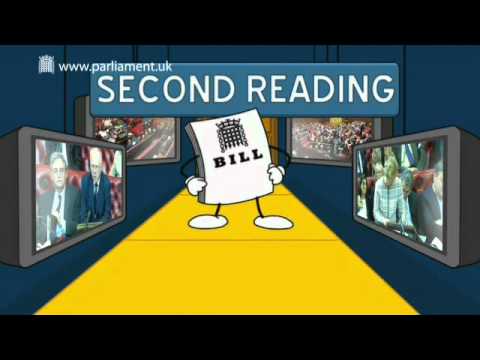
4. Second Reading: Now things start getting serious! At this point, members of Parliament can discuss the bill more thoroughly during its second reading. They talk about its merits and anyone can voice their support or concerns.
5. Committee Stage: If it passes through the second reading, it heads to committee stage where smaller groups examine its details—kind of like having dinner with friends where everyone gets their say on what’s good and what’s not! Amendments can be made here to improve things.
6. Report Stage: Then comes report stage where any further tweaks are discussed again. It’s like putting on finishing touches before calling it done.
7. Third Reading: Here, members debate one last time before voting on whether to approve it or not—think of this as your final audition before being cast in a role!
8. The Other House: If one house approves the bill, it goes over to the other house (Commons or Lords) for them to repeat those steps we just covered—the readings, committee work, all that jazz.
9. Consideration of Amendments: If changes were made by one house, they need to go back for consideration by the other house until both agree on a final version.
10. Royal Assent: Once both houses agree on everything—it’s pretty much done! The bill then goes off for royal assent from the monarch, which is usually just a formality these days—considering legislation will be signed into law after this point.
And that’s pretty much how legislation comes together! You see? It may look lengthy and complex but each step has its role in shaping laws that govern us all!
Understanding the UK Government Process: Structure, Roles, and Functions
Understanding how the government works in the UK can feel a bit like navigating a maze. You know, it has different parts and each plays a role in making laws and running the country. Let’s break down the structure, roles, and functions of the UK government so it makes more sense.
First up, there’s the **Parliament**. It’s like the heart of British democracy. Parliament is made up of two main parts: the House of Commons and the House of Lords.
The House of Commons is where elected Members of Parliament (MPs) sit. They represent you and me! Basically, when you vote in an election, you’re picking someone to go there and speak for your area. They discuss new laws—called bills—debate issues, and hold the government to account.
Now, let’s not forget about The House of Lords. This group isn’t elected; instead, members are appointed or inherit their positions. They can bring expertise from various fields to Parliament, which adds another layer to discussions about new laws. The Lords review bills passed by the Commons and suggest changes or amendments.
So how does this whole lawmaking thing work? It all starts with a **bill**. A bill is just a proposal for new legislation or changes to existing laws. Bills can be introduced by either MPs (in the Commons) or Lords (in the Lords). But most often, they come from government ministers.
Here’s how it rolls out:
- First Reading: This is basically an introduction with no debate. The bill is presented to Parliament.
- Second Reading: Now we’re talking! MPs or Lords debate its overall purpose and whether people think it’s needed.
- Committee Stage: This is where things get nitty-gritty. A smaller group goes through it line by line—making tweaks here and there.
- Report Stage: The revised bill goes back to everyone for further consideration.
- Third Reading: This final stage in each house is where they review everything one last time before voting.
If both houses agree on what’s been decided, then it goes off to **the Monarch** for Royal Assent—basically her stamp of approval—and then *ping*, it becomes law!
But hang on! The Prime Minister also plays a crucial role here. They lead the government and decide on policies that will be proposed as bills in Parliament. Remember that major political decision-making usually happens right in their office!
Interestingly enough, there are lots more layers involved too—like local governments dealing with specific issues in different areas, but we’ll focus on these key players for now.
In conclusion (not really using that word), understanding this process helps you see how laws are created and transformed into something that affects daily life in the UK—from taxes to health care regulations.
So next time you hear about a new law being debated in Parliament or when an MP holds surgeries where you can ask questions about local issues, you’ll have a clearer picture of what it all means!
Comprehensive Guide to the UK Law Making Process: Downloadable PDF Resource
The lawmaking process in the UK is, well, a bit of a journey. It’s not just about scribbling down some ideas and calling it a day. This process involves several key steps, with numerous people from different levels of government getting involved along the way. Let’s break it down.
First off, we have the **idea**. A new law starts with an idea, which can come from all sorts of places: MPs (Members of Parliament), the government itself, or even public petitions. For instance, remember when there was a lot of buzz about banning single-use plastics? That kind of grassroots issue often inspires new legislation.
Then comes the **drafting stage**. A bill is prepared based on that idea. This is usually done by legal experts who ensure everything is written clearly and legally sound. You might think this part can be a bit dry, but it’s crucial because if something isn’t drafted properly, it can lead to all sorts of confusion later on.
Once the draft is ready, it heads to the **House of Commons** first if it’s a public bill. MPs debate its contents in what we call **first reading** – basically an introduction without too much detail at this stage. It’s like saying “Hey guys, check out this new idea.”
After that introduction comes the **second reading**, where MPs discuss and debate it more seriously. They look at its principles and merits; do they believe it’s worth pursuing? And if they do agree on its value, it’ll head to committee for further examination.
Now here’s where things get interesting: during the committee stage, smaller groups of MPs will analyze every line of that bill—like doing a deep dive into a book you love! They can suggest amendments or tweaks to make improvements or clarify points that might seem vague.
Once they’ve gone through their edits and adjustments, it goes back to the whole House for another round—a third reading—where they’ll vote on whether to pass it along.
Assuming it gets through that gauntlet successfully, it crosses over to the **House of Lords** for similar treatment—a first reading followed by debates and possible amendments in both their committee and third readings too!
And don’t forget about potential hiccups along the way—like disagreements over details or political perspectives could delay things significantly!
If both Houses agree on what’s in that final version of the bill, then there comes one big finish: it’s sent for Royal Assent. When The Monarch gives their stamp of approval—which is largely ceremonial these days—the bill officially becomes law!
So basically:
- Ideas are proposed by various sources.
- Formal drafting takes place.
- The House of Commons debates starts with first reading.
- Followed by second reading for deeper discussion.
- Committee stage allows for detailed scrutiny.
- Final votes decide whether to proceed.
- If passed through both Houses—with any amendments—it awaits Royal Assent.
It’s kind of like climbing a mountain with lots of checkpoints along the way! Each step ensures that laws are carefully considered before they get stamped into our daily lives so you know everyone gets their say in shaping those rules we all live by.
Isn’t it fascinating how each little step has its purpose? Like making sure there’s enough time for everyone to weigh in before changing how things work around us!
So, the process of lawmaking in the UK is kinda fascinating, if you think about it. It’s like a big puzzle with various pieces that have to fit just right for everything to work out. Picture this: you’re in a room full of people who have different opinions, needs, and interests. They all want to make things better for their communities but can’t agree on how. That’s pretty much what Parliament looks like when laws are being made!
First off, laws typically start as ideas—referred to as “bills.” Sometimes these ideas come from members of Parliament (MPs) or the House of Lords. Other times, they’re hatched by the government itself because they see a need for change. Whatever the case may be, those bills go through several stages before getting that shiny stamp of approval.
Now, here’s where it gets interesting! The journey begins in one of two Houses: the House of Commons or the House of Lords. The bill gets debated—like a lively family dinner where everyone has something to say, except sometimes it gets heated! MPs will argue over its merits and flaws until most people agree it’s worth moving forward.
After debates and amendments—basically when MPs suggest changes—the bill gets voted on. If it passes that House, it moves on to the other one for more discussions and votes! This back-and-forth can feel really long-winded at times; I mean, I once read about a bill that took over two years before finally becoming law!
Once both Houses have agreed (and if they make changes in the process), they send it off to be signed by the monarch—yup, that’s King Charles III now. That last step is often a formality but still super important symbolically. Only then do we get our new law!
It might sound dry or tedious at times but there’s something kind of beautiful about how this system allows voices from all walks of life to influence how we live together as a society. Imagine you’re sitting there in Parliament discussing matters directly affecting your community—it brings politics right into your living room.
Of course, there are plenty of folks out there who see problems with this process—sometimes moves too slowly or feels disconnected from everyday life—but that just shows how passionate people are about their rights and futures.
In essence, the whole lawmaking saga reflects our values as a nation: balancing tradition with modern needs while making sure everyone has their say. It’s an ongoing dance between history and progress—and honestly? It keeps things interesting!

