
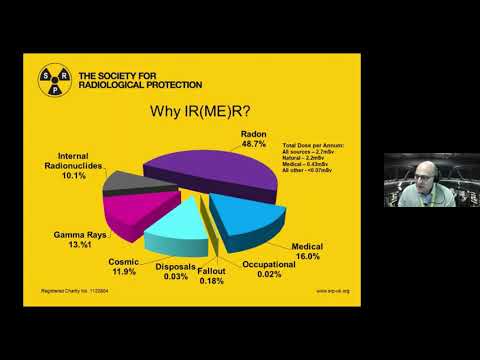
You know what? The first time I heard about the IRMER regulations, I thought they were some secret code for a top-secret mission. Honestly, they sound a bit like a spy movie title, right? But let me tell you, they’re actually all about keeping things safe and sound in the world of medical imaging.
It’s like that awkward moment when you realize you’ve been using your dad’s old camera instead of something sleek and modern. You think it’s fine until you snap a picture and discover it’s all blurry. That’s where IRMER comes in—making sure that the people who handle medical radiation know exactly what they’re doing.
The information on this site is provided for general informational and educational purposes only. It does not constitute legal advice and does not create a solicitor-client or barrister-client relationship. For specific legal guidance, you should consult with a qualified solicitor or barrister, or refer to official sources such as the UK Ministry of Justice. Use of this content is at your own risk. This website and its authors assume no responsibility or liability for any loss, damage, or consequences arising from the use or interpretation of the information provided, to the fullest extent permitted under UK law.
So, if you’re curious about how these regulations fit into the UK legal scene or just want to understand why they matter so much, stick around!
Comprehensive Guide to Ionising Radiation Regulations in the UK: Key Rules and Compliance
Sure thing! Here’s a detailed look at the Ionising Radiation Regulations in the UK, specifically focusing on IRMER regulations and how they play a part in legal practice.
Understanding IRMER Regulations
So, first off, let’s break down what IRMER stands for. It’s the Ionising Radiation (Medical Exposure) Regulations, introduced to protect patients undergoing medical procedures that involve radiation. You see, when you go for an x-ray or a CT scan, you’re exposed to some level of ionising radiation, and these regulations help ensure that exposure is kept as low as possible while still allowing necessary medical interventions.
Key Rules Under IRMER
Like any piece of legislation, IRMER comes with its own set of rules. Here are some key points:
- Justification: This means that any medical exposure must be justified—it should have more benefits than risks. For instance, if a doctor orders an x-ray to diagnose a broken bone, that’s justified since it helps in proper treatment.
- Optimization: The dose of radiation given should be the minimum necessary. So, if there’s a way to achieve the same diagnostic result with less radiation or alternative methods (like ultrasound), that’s what healthcare providers should aim for.
- Patient Consent: Before any procedure that involves ionising radiation, patients need to give informed consent. They should understand what it entails—like why it’s needed and potential risks.
- Quality Assurance: There are protocols and checks in place ensuring equipment used for radiation is functioning correctly. Regular maintenance and testing are crucial here.
- Record Keeping: Medical facilities must keep detailed records of exposures. This includes who underwent procedures and how much radiation they received.
The Role of Compliance
Now here’s where things get pretty serious. Compliance with these regulations is non-negotiable for healthcare providers. Why? Because failing to adhere can lead to legal consequences—not just penalties but also potential harm to patients.
Imagine this: A radiology department continues using outdated equipment that exposes patients to higher doses of radiation than necessary because of poor maintenance. If someone gets harmed because of this negligence, the facility could face legal action under IRMER.
Legal Implications for Practitioners
For practitioners working within this framework—from doctors ordering scans to radiographers performing them—understanding these regulations is vital. If there’s any malpractice claim related to ionising radiation exposure and it turns out protocols weren’t followed? Well, that could spell trouble.
Also worth mentioning is the role of The Care Quality Commission (CQC). They inspect healthcare services for compliance with regulations like IRMER. If they find breaches during inspections, it can lead not only to fines but also affect service licenses.
Anecdote Time!
Here’s something relatable: A friend once went in for an MRI after an accident and asked about the risks involved with the scan’s radiation exposure. The technician calmly explained everything and made sure she understood why it was necessary—a perfect example of informed consent in action under IRMER!
Overall, understanding Ionising Radiation Regulations isn’t just important from an institutional perspective; it protects patients while ensuring that healthcare practitioners operate within safe boundaries.
So yeah, knowing these rules helps maintain quality care in our health system while keeping everyone safe from unnecessary risks!
Understanding the Role of IRMER: Key Responsibilities and Implications
So, let’s talk about IRMER, which stands for Ionising Radiation (Medical Exposure) Regulations. This set of regulations plays a crucial role in ensuring safe practices in medical settings where ionising radiation is used—like X-rays or CT scans. The goal? To protect patients and staff from unnecessary exposure. Sounds essential, right?
First off, it’s important to understand that IRMER came into effect in the UK in 2000 and has been updated over the years. Basically, these regulations are about making sure that medical professionals handle radiation carefully and responsibly. You wouldn’t want your doctor to be oblivious to how to use machines that emit radiation!
Key responsibilities under IRMER include:
- Justification: Every medical exposure must be justified. This means that the benefits must outweigh any risks involved. For instance, if a patient needs an X-ray for a suspected fracture, that’s justified because it helps diagnose and treat the injury.
- Optimization: Health professionals are required to optimize radiation doses. This means using the minimum amount necessary to achieve the desired result. Think of it like baking: you don’t want too much sugar ruining a good cake!
- Patient Information: Patients should be informed about their exposure. It’s not just about telling them they’ll get an X-ray; health professionals need to explain why it’s necessary and what risks might be involved.
- Record Keeping: Proper records have to be maintained regarding every patient’s exposure—when they had it, how much they were exposed to, etc. It’s all about tracking and ensuring safety over time.
- Audit and Review: Regular audits ensure compliance with IRMER rules. Hospitals need to check if they’re following these guidelines properly.
You see? The emphasis on safety isn’t just something nice to have; it’s a requirement backed by law! An example of this could involve a hospital where staff consistently audit their practices and find ways to further minimize radiation doses while still providing excellent care.
The implications of not following IRMER can be serious. If regulations aren’t adhered to, there could be repercussions ranging from fines for healthcare providers to actual harm inflicted on patients due to overexposure—yikes!
This can make you think twice before stepping into an imaging room, doesn’t it? You’re not just another number; there’s a whole framework designed around your safety when receiving medical care involving radiation.
The regulations also help build trust between patients and healthcare providers because people feel safer knowing there are strict protocols in place protecting their health. It’s all about making sure everyone knows what they’re doing when dealing with something as potentially dangerous as ionising radiation.
If you’re a healthcare worker or even someone who might need radiological services one day, knowing how IRMER operates can give you peace of mind as well as protect your rights when looking for safe treatment options!
“Understanding UK Legislation on the Role of Referrers: Key Laws and Regulations”
The role of referrers in the UK, especially within the context of healthcare and legal practices, is influenced by a number of laws and regulations. One of the key pieces of legislation here is the Ionising Radiation (Medical Exposure) Regulations, or IRMER, which governs how referrers interact with medical exposures.
So, what do these regulations actually say? Well, IRMER was introduced to protect patients from unnecessary radiation during medical procedures. This includes any situation where a patient might be referred for X-rays, CT scans, or any treatment involving ionising radiation. The idea is to ensure that a referrer has considered all aspects before sending someone for these tests.
Now, you might be wondering who a “referrer” is. Essentially, a referrer is often a healthcare professional—like a doctor or dentist—who suggests that a patient undergoes an imaging procedure. The key thing to remember here is their responsibility: they must have appropriate training and knowledge about the risks versus benefits of the exposure to radiation.
Under IRMER, there are several important points for referrers:
- Clinical Justification: Every referral must be clinically justified. This means that the benefits of performing an imaging test should outweigh any potential health risks.
- Informed Consent: Patients should be provided with information to help them understand what the procedure entails. They need to give their consent before going ahead.
- Record Keeping: Referrers are required to maintain detailed records of their decision-making process regarding referrals.
- Training Standards: It’s crucial that all referrers undergo continuous training to stay updated on best practices and legal obligations.
Let me share a quick story. A friend told me about his experience with back pain. After seeing his general practitioner, he was referred for an MRI scan. His doctor explained why this was necessary and made sure he understood what would happen during the procedure. In this case, the doctor followed IRMER guidelines perfectly—ensuring clinical justification and obtaining informed consent.
But it doesn’t stop there! The role of referrers also intersects with other regulations like The Care Quality Commission (CQC). This body oversees health and social care services in England and ensures that they meet fundamental standards of quality and safety.
And then there’s The Health & Safety at Work Act. This law emphasizes ensuring safety in all workplaces, including hospitals and clinics where these imaging procedures take place.
Overall, understanding UK legislation surrounding the role of referrers is crucial not only for legal compliance but also for patient safety. It’s about building trust; when healthcare professionals act responsibly by following regulations like IRMER, it promotes a safer environment for everyone involved.
In summary? Referrers have significant responsibilities under laws like IRMER—they need to justify referrals clinically, ensure informed consent from patients, keep thorough records, and stay trained up-to-date on best practices!
You know, the IRMER (Ionising Radiation (Medical Exposure) Regulations) regulations might not sound like the most thrilling topic, but they actually play a crucial role in UK legal practice, especially in healthcare. I remember a time when my friend had to undergo a medical procedure that used x-rays. She was super anxious about the whole thing—like, who wouldn’t be? But what really stuck with me was how much she appreciated knowing there were strict guidelines to protect her.
Basically, IRMER regulations were introduced to ensure that patients get exposed to ionising radiation only when absolutely necessary. So, if you’re having an x-ray or CT scan, these rules are there to make sure it’s done safely and that healthcare professionals are following the right protocols. It’s all about balancing risk and benefit. You want accurate diagnoses without unnecessary radiation exposure, right?
These regulations don’t just protect patients; they also set standards for practitioners. They’re required to have appropriate training and be able to justify the use of any medical exposure. This means that as a healthcare provider, you can’t just go around suggesting scans willy-nilly—you’ve got to have a solid reason and ensure it’s in your patient’s best interest.
In terms of legal practice, IRMER can come into play if there’s ever a dispute over negligence or patient safety claims related to radiation exposure. Imagine a situation where someone feels they’ve been improperly exposed during a procedure—that could lead not just to health repercussions but also legal ones. Knowing these regulations gives both patients and doctors some peace of mind.
What’s intriguing is how often these kinds of regulations evolve. As technology improves and our understanding of radiation risk changes, so do the rules governing its use. Lawyers in healthcare need to stay updated on these shifts because they can significantly impact cases involving medical negligence.
So yeah, while talking about regulations might seem dry at first glance, it’s really about safeguarding people’s health while maintaining trust in the medical system. It brings everything full circle—from your initial appointment with your doctor right through any potential legal discussions afterwards—and honestly makes you appreciate just how important proper protocol really is.


