
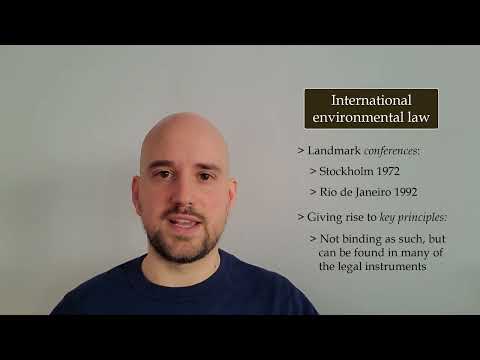
You know, the other day I was chatting with a friend about how crazy it is that we have laws for everything—like who can park where or what to do if your dog barks too much. But then I thought, why don’t we talk more about the big stuff, like the planet?
I mean, seriously! International environmental law is a thing. It sounds all formal and serious, but it’s super important. It’s like the world got together and said, “Hey! Let’s not destroy our home.”
The information on this site is provided for general informational and educational purposes only. It does not constitute legal advice and does not create a solicitor-client or barrister-client relationship. For specific legal guidance, you should consult with a qualified solicitor or barrister, or refer to official sources such as the UK Ministry of Justice. Use of this content is at your own risk. This website and its authors assume no responsibility or liability for any loss, damage, or consequences arising from the use or interpretation of the information provided, to the fullest extent permitted under UK law.
And here in the UK, there are all these legal bits and pieces that tie into this global movement. From climate change treaties to protecting wildlife, it’s all part of the bigger picture. Plus, there are ways you can actually get involved or even understand how these laws affect you directly.
So let me take you on a little journey through this wild world of international environmental law sprinkled with some UK flavours. It’s going to be eye-opening—and who knows? You might just find yourself caring even more about our lovely planet!
Top Environmental Law Firms in the UK: Expert Guidance for Sustainable Practices
Sure! Let’s chat about environmental law in the UK, shall we? It’s become a hot topic, especially with everyone getting more aware of climate change and sustainability. So, what’s the scoop on finding good guidance in this field?
Environmental law covers a wide range of issues. Basically, it looks at how humans interact with the environment—think pollution, wildlife protection, and climate change regulations. The UK has quite a few laws in place to protect our natural world. And if you’re involved in any business or project that might impact the environment, you really want to know your rights and obligations.
When it comes to environmental law firms, there are some key players out there that focus on providing expert advice for sustainable practices. These firms can help businesses navigate the often complex web of environmental regulations. So here’s a little breakdown.
- Specialization: Some firms focus exclusively on environmental law, while others may have it as part of a larger portfolio. You want one that gets what your specific needs are.
- Experience: Look for firms with a solid track record in handling cases related to environmental issues. They should know about international treaties too because those can affect UK laws.
- Regulatory Knowledge: Having expertise in UK regulations like the Environmental Protection Act is crucial since it sets out duties for businesses regarding emissions and waste.
- Sustainability Consulting: Some legal firms go beyond just advising on compliance; they can help develop strategies to meet sustainability goals while still being legally compliant.
Now let’s talk about why this is important. You know how sometimes you feel overwhelmed by all those eco-friendly guidelines? Imagine being a business owner trying to figure out what’s needed to be green without breaking any laws! That’s where these experts come into play.
Say you own a construction company looking to build on previously developed land. A good environmental law firm would guide you through assessing potential contamination risks and ensuring you’re following best practices for site remediation.
And there’s also the international angle! Environmental issues don’t stop at borders, right? Treaties like the Paris Agreement influence how countries manage their environmental policies. A knowledgeable firm will help ensure that your practices align with both local laws and international obligations.
Working with these firms can provide peace of mind too. Honestly, having someone who understands all this stuff means you can focus more on your core activities while knowing you’re not treading on potentially dangerous legal ground.
In summary, when searching for support in environmental law matters within the UK:
- Understand your needs: Are you looking mainly for compliance advice or strategic sustainability planning?
- Check credentials: Look into their case history and feedback from clients—it matters!
- Ponder future trends: The landscape is continually changing with new legislation emerging as our understanding of climate change evolves.
So yeah, finding the right legal help in this area can make all the difference as we navigate these crucial times for our planet! If you’re involved in anything environmentally linked, don’t hesitate to seek expert guidance—it really pays off!
Comprehensive Guide to Environmental Lawyer Salaries in the UK: Trends and Insights
Environmental law is super important in today’s world, right? It’s the branch of law that helps protect our environment, and environmental lawyers play a crucial role in that. But if you’re considering this path, you might be wondering how much they actually make in the UK. Well, let’s break it down.
First off, environmental lawyers typically work for law firms, government agencies, NGOs, or even corporations. Their salaries can vary quite a bit based on where they work and their experience level. Entry-level positions often start at around £25,000 to £35,000 a year. But as you gain experience—let’s say about 5-10 years—you could see your salary jump to somewhere between £40,000 and £70,000.
The thing is, when you reach senior positions or become a partner in a firm specializing in environmental law, your earning potential really opens up. Some experienced environmental lawyers earn upwards of £100,000 per year. And it’s pretty competitive out there!
So what factors influence these salaries?
- Experience: More years usually mean more money. Experience not only brings expertise but often leads to higher-level responsibilities.
- Location: Where you practice has a huge impact on pay. For example, London-based jobs typically offer higher salaries than those in smaller cities.
- Type of Employer: Working for a large international firm can lead to fatter paychecks than working for smaller local firms or nonprofits.
- SPECIALIZATION: Focusing on niche areas within environmental law—like climate change regulations or natural resource management—can also lead to better pay.
You know what’s interesting? The demand for environmental lawyers is growing! As more companies and governments focus on sustainability and compliance with environmental regulations, there’s a need for legal expertise. This trend might increase hiring and possibly even push up salaries over time.
Anecdotally speaking, I heard about an environmental lawyer who started out feeling uncertain about their career choices but quickly found that their passion for the environment was both fulfilling and financially rewarding as they moved up the ranks over the years. They were able to contribute positively while supporting their lifestyle—talk about a win-win!
If you’re eyeing this career path—or if you’re just curious—it’s good to keep an eye on trends like these in the job market. Always check job postings and salary surveys specific to your area; it’ll give you clearer insights into what you could expect earning-wise as an environmental lawyer in the UK.
In summary, while entering this field may start at lower salaries initially, there is significant potential for growth as experience accumulates and specialization occurs.
Top Environmental Law Firms in London: Expertise in Sustainable Legal Solutions
Environmental law in the UK can be pretty intricate, especially with all the changes happening around sustainability and climate change. If you’re looking into environmental law firms in London, you might want to know about their expertise and what makes them stand out.
Firstly, these firms usually focus on a mix of **international environmental law** and local legal practices. They help clients navigate regulations that can be quite complex. The thing is, environmental laws can affect a range of activities from business operations to local community projects.
One key area is **regulatory advice**. Clients often need guidance on how to comply with both UK and EU regulations regarding their businesses or projects. A good law firm will keep itself updated on changes in legislation so that they can give precise advice.
Another important aspect is **litigation**. When conflicts arise—maybe over pollution issues or land use disputes—these firms represent clients in court when it’s necessary. They advocate for sustainable practices while also defending their clients’ interests, which isn’t always easy.
Now let’s get into some specific services these firms provide:
- Corporate Sustainability: Businesses are increasingly focused on sustainable operations, making it vital for them to understand relevant laws.
- Environmental Impact Assessments: Before a project kicks off, it may require an assessment to evaluate its potential environmental effects.
- Permitting: Navigating the maze of permits needed for various activities can be daunting; expert firms guide you through this process.
It’s interesting to see how the landscape of environmental law is ever-changing. For instance, think about the recent surge in renewable energy projects. Law firms are now advising clients on compliance measures specific to these fields while ensuring they meet sustainability goals.
Sometimes it feels like you’re watching a tug-of-war between economic growth and environmental responsibility. You know? It can get pretty emotional for communities affected by development projects that threaten their natural spaces or health.
When searching for a firm, consider their track record with **sustainable legal solutions**— how have they helped clients successfully implement environmentally friendly practices? You’ll want someone who understands both your needs and the pressing demands of our changing environment.
To sum up, if you’re looking at top environmental law firms in London, focus on those that demonstrate an understanding of both international standards and local laws while being committed to promoting sustainability. It’s not just about compliance; it’s about contributing positively towards our planet’s future—that’s something we all care about!
International environmental law is like this vast web that connects different countries, aiming to protect our planet. You know, it’s a bit overwhelming when you think about how many treaties and regulations are out there. The UK has been part of this conversation for a long time, working with others to tackle issues like climate change and biodiversity loss.
Imagine a small village facing rising seas because of climate change. The community’s livelihood is at risk, and their homes are disappearing. That’s not just a story from somewhere else; those scenarios affect people in the UK too, especially in coastal areas. So, the law plays this crucial role in trying to create frameworks that help nations come together to combat these challenges.
In the UK legal practice, international environmental law often influences domestic laws and policies. It’s like a blueprint or guidelines that lawmakers use when drafting legislation. For example, after signing international agreements like the Paris Agreement on climate change, the government has to figure out how to translate those commitments into rules we can all follow here at home.
But here’s where it gets tricky: not every aspect of international law automatically becomes part of UK law. There’s the whole process of implementing these treaties through domestic legislation which can sometimes be slow or complicated. This means lawyers often find themselves navigating between what is required internationally and what is feasibly enacted locally.
You might also notice that international environmental principles—like sustainable development—are starting to creep into various areas of UK law beyond just environmental regulation. So it’s not just about forests or pollution; it’s shaping things like energy policy and urban planning too.
All this talk about laws can feel heavy at times but remember—it all boils down to the people behind these rules: communities working hard for cleaner air, healthier oceans, or greener cities. And as individuals become more aware of these issues, they push for stronger action from their governments.
So while we may browse through dense legal texts filled with jargon—at its heart—international environmental law reflects our shared responsibility towards protecting the earth for future generations. It reminds us that everyone has a role to play in safeguarding our environment—you included!


