
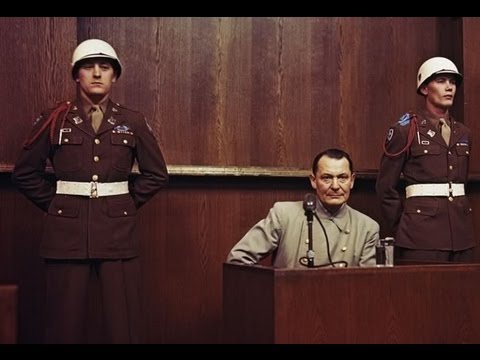
You know what’s wild? There’s a whole world out there where people sit in fancy courtrooms and decide the fate of war criminals. Seriously, it sounds like something from a movie, right? But here we are, living in a time when international criminal tribunals actually exist to tackle some pretty heavy stuff.
Think about it for a second. Imagine someone who’s done terrible things—like war crimes or genocide—facing justice not just in their own country but under a global spotlight. That’s exactly what these tribunals aim to do. They’re like the superheroes of justice, swooping in when things get out of hand at home.
The information on this site is provided for general informational and educational purposes only. It does not constitute legal advice and does not create a solicitor-client or barrister-client relationship. For specific legal guidance, you should consult with a qualified solicitor or barrister, or refer to official sources such as the UK Ministry of Justice. Use of this content is at your own risk. This website and its authors assume no responsibility or liability for any loss, damage, or consequences arising from the use or interpretation of the information provided, to the fullest extent permitted under UK law.
These courts don’t just hand out sentences; they send a message that the world cares about human rights. It’s all about accountability and making sure those responsible face consequences, no matter where they are. So the next time you hear about one of these tribunals, remember: it’s more than just legal jargon; it’s part of a bigger fight for justice on an international scale. Isn’t that something?
The Role of International Tribunals: Understanding Their Impact on Global Justice
Alright, let’s chat about international tribunals and their role in the big picture of global justice. International tribunals are like the world’s judges, stepping in when things get really messy between nations or when serious crimes happen that affect humanity as a whole. They tackle issues like war crimes, genocide, and crimes against humanity. You follow me?
These courts can be quite impactful. First off, they hold individuals accountable, not just countries. The International Criminal Court (ICC), for example, can prosecute people for war crimes. This is huge because it sends a clear message that no one is above the law – not even heads of state!
- Preventing Future Crimes: By punishing those who commit terrible acts, tribunals aim to deter others from doing the same. Think about it – if leaders know they might be held accountable for their actions, they might think twice before diving into violence.
- Providing Justice for Victims: These courts often give a voice to victims who have suffered immensely due to conflicts and atrocities. It’s about ensuring that their stories aren’t forgotten; that someone listens.
- Creating a Historical Record: Tribunals help document what happened during conflicts. This historical account can be crucial for understanding and teaching future generations about past mistakes.
An important aspect is how these tribunals encourage cooperation between nations. Countries often work together to apprehend fugitives wanted by these courts – think of it as a global team effort to promote justice. For instance, when former Liberian President Charles Taylor was convicted of war crimes by the Special Court for Sierra Leone, it showcased how international collaboration could lead to accountability.
But hey, it isn’t perfect! There are challenges too. Some countries don’t recognize the authority of these courts or might refuse to cooperate. This can create roadblocks and sometimes makes justice feel elusive.
If you’ve ever heard of the term “winner’s justice,” that comes into play here as well! Sometimes these tribunals are accused of being biased towards certain groups or nations while ignoring others’ actions during conflicts. So basically? It’s complicated.
The impact goes beyond just legal proceedings; it shapes societal norms around justice and accountability worldwide. As people see perpetrators facing consequences on such an international stage, it fosters hope that maybe one day similar treatment could be expected in their own countries.
In short, international tribunals play a critical role in shaping global justice landscapes. They hold individuals accountable while promoting healing and understanding through historical records of atrocities committed across the globe.
The thing is, as we continue down this path toward greater accountability and justice, we must keep discussing how to improve these systems so they serve everyone fairly!
Understanding the Role of the International Criminal Court in the Global Justice System
So, you’re curious about the International Criminal Court (ICC) and its role in the global justice system? Well, let’s break it down. The ICC is like a global watchdog when it comes to serious crimes. Basically, it deals with the big stuff: genocide, war crimes, and crimes against humanity. Imagine a place where these heinous acts can be addressed—that’s the ICC.
First off, you might be wondering how this all works. The ICC was established back in 2002 by the Rome Statute. It’s located in The Hague, Netherlands. Countries that join agree to cooperate with its decisions. That means if someone commits a horrific crime, and their country isn’t willing or able to prosecute them, the ICC can step in.
Now, let me tell you why this matters. There was once a time when powerful leaders thought they were untouchable. Take Sudan’s Omar al-Bashir as an example—he was indicted by the ICC for genocide in Darfur but remained free for years because his country didn’t recognize the court’s authority. So, you see? The ICC is crucial for holding those leaders accountable.
Here are some key points about how the ICC fits into the broader justice system:
- Jurisdiction: It only steps in when national courts are unable or unwilling to deal with serious crimes.
- Complementarity: This means that local courts have precedence. The ICC acts as a last resort.
- Indictments: When there’s enough evidence against someone, they issue arrest warrants to bring suspects to trial.
- Trials: If cases make it to court, they’re usually public and involve thorough investigations and fair representation.
- Aims: Part of its mission is also about deterring future atrocities by showing that there are consequences for such actions.
It’s not without challenges though! Some countries refuse to cooperate or even withdraw from the Rome Statute altogether—you could say they’re trying to dodge accountability. For example, both South Africa and Burundi have tried to leave at different points due to perceived bias or political pressure.
Still, despite these hurdles, many believe that having an international body helps promote justice on a global scale. It takes time for these systems to change perceptions around accountability and justice—like planting seeds in rocky soil.
So yeah, while it might seem complicated at first glance, understanding the role of the ICC sheds light on our collective desire for justice across borders! It reminds us that no one should be above the law—not now or ever!
Key Responsibilities of an ICC: Understanding Roles and Functions in International Commerce
Alright, let’s chat about the key responsibilities of the International Criminal Court (ICC) and how it fits into international commerce. Think of the ICC as kind of a global referee for serious crimes that affect a lot of people across borders. It’s not just about punishing criminals; it also plays a big role in maintaining peace, you know?
1. Prosecute Serious Crimes
First off, one of the ICC’s main jobs is to prosecute serious crimes like genocide, war crimes, and crimes against humanity. Imagine conflict zones where innocent people are caught in the crossfire—that’s where the ICC steps in when national courts can’t or won’t do anything.
2. Promote Accountability
Another key responsibility is promoting accountability. When powerful figures commit horrible acts, they often think they’re above the law. The ICC shines a light on these actions and holds individuals accountable—this matters for rebuilding trust in communities torn apart by violence.
3. Support Victims
You know, it’s not just about punishing the bad guys; supporting victims is really important too! The ICC provides resources and help to those affected by crimes under its jurisdiction. They even allow victims to have a say in proceedings, which can be crucial for their healing process.
4. Collaborate with Nations
The thing is, the ICC works closely with countries around the world. It relies on them to arrest suspects and gather evidence—sometimes this can get complicated because not everyone wants to cooperate, you see? They aim to strengthen legal systems globally.
5. Prevent Future Crimes
By promoting justice and accountability, another big function of the ICC is crime prevention! If people see that there are consequences for horrific actions, they might think twice before committing them.
6. Legal Framework Development
And let’s not forget about developing international law! The ICC helps create standards that guide nations on how to handle serious crimes domestically too—you know? This ultimately strengthens international commerce because stable societies encourage trade and cooperation.
So yeah, these responsibilities connect closely with international commerce as they contribute to global stability and trust among nations—essential for businesses operating on an international scale! When there’s rule of law and accountability, everyone feels safer trading across borders.
In summary, understanding these roles helps appreciate how intertwined justice systems are with international relations and commerce. It’s all about making sure that justice doesn’t take a backseat when it comes to global interactions.
You know, when you think about justice on a global scale, it can get pretty complicated. We’re talking about countries with different laws, cultures, and histories. This is where international criminal tribunals come into play. They’re like the global police force of justice, trying to keep things fair when national systems fall short.
I remember reading about the International Criminal Court (ICC) and how it was set up to prosecute serious crimes like genocide and war crimes. It’s a big deal because it shows that no one is above the law—no matter how powerful they might be. Just imagine someone who thinks they can get away with horrific acts because they hold power in their country. That’s where these tribunals step in, making sure justice is served.
But the thing is, these courts aren’t perfect. They face loads of challenges—from political pressures to issues around enforcement. Sometimes they’re seen as biased or ineffective, which can really undermine their purpose. Take the case of Radovan Karadžić; he was tried for his role in the Bosnian War but only captured years after his crimes were committed. It raises questions about how swiftly justice can be delivered.
This whole idea of international justice brings up feelings of hope and frustration at the same time. Hope that there’s a system out there fighting for those who have suffered heinous acts, but also frustration when you see how slowly things can move or how complicated they can get.
In many ways, these tribunals reflect our collective conscience as a global community—they remind us that we have shared values and responsibilities towards one another. Yet, navigating international law is like walking on a tightrope; every step requires balance between respecting sovereignty and ensuring accountability.
So yeah, while I admire what international criminal tribunals aim to achieve—holding individuals accountable for their actions—I also realize it’s an uphill battle filled with imperfections and challenges that need continuous attention and improvement. Justice shouldn’t just be an ideal; it has to be something we actively work towards on every level possible—local to global!


