
So, picture this: you’re at a barbecue, having a great time, when suddenly your friend trips over the garden hose and takes out the whole picnic table. Food goes flying, drinks are spilled – chaos in the backyard!
Now, as everyone’s picking up the pieces and trying to figure out who’s responsible for the mess, you might find yourself thinking: “What does insurance even cover in this situation?”
The information on this site is provided for general informational and educational purposes only. It does not constitute legal advice and does not create a solicitor-client or barrister-client relationship. For specific legal guidance, you should consult with a qualified solicitor or barrister, or refer to official sources such as the UK Ministry of Justice. Use of this content is at your own risk. This website and its authors assume no responsibility or liability for any loss, damage, or consequences arising from the use or interpretation of the information provided, to the fullest extent permitted under UK law.
That’s where liability limits come into play. They’re like those invisible boundaries that insurers set around their responsibility. But honestly? They can be pretty tricky to navigate.
In the UK, understanding these limits is essential if you want to know what your insurance really protects you against. But don’t worry; we’ll break it down together and make sense of it all!
Understanding Exceptions to Liability Caps: Key Insights and Implications
Understanding liability caps in UK insurance law can be a bit of a maze, especially when it comes to exceptions. So let’s break it down in a way that makes sense.
In simple terms, liability caps are limits on the amount of money one party can claim from another in case something goes wrong. Think of it like a safety net for businesses to avoid huge financial losses. But here’s where it gets tricky: there are certain situations where these caps don’t apply, and that’s what we call exceptions to liability caps.
You see, not all damages fall under these limits. For instance, if someone is injured due to negligence or if there’s gross misconduct involved, the cap might be lifted. This means you could end up facing unlimited liability for those actions.
Let’s look at a couple of examples to make this clearer:
- Negligence: If you’re operating heavy machinery and someone gets hurt because you weren’t paying attention, you can’t hide behind the liability cap.
- Fraud: If you knowingly mislead someone during a business transaction and they suffer losses as a result, guess what? The cap doesn’t protect you.
The thing is, when companies draft their terms and conditions, they often include these caps to manage risk. However, UK courts don’t always uphold them if they think it would be unfair to do so. It’s all about balancing interests—making sure no one gets left out in the cold when things go bad.
Also important are statutory exceptions. For example, some laws expressly make certain liabilities non-excludable. The Consumer Rights Act 2015, for instance, states that consumers cannot be deprived of their rights through unfair contract terms.
Now imagine this scenario: You’re renting a flat through an agency that has put in place a liability cap for damages caused by maintenance issues. If there’s negligence on their part and you lose your belongings because they failed to fix a leak promptly—well—this might open them up to full responsibility beyond the set cap.
One last thought: businesses need to think carefully about these exceptions while crafting contracts or agreements. Ignoring them can lead to unexpected financial burdens down the line.
So yeah, understanding these exceptions really does matter. It isn’t just legal jargon; it’s about protecting yourself and knowing when those safety nets might not hold up!
Understanding Non-Excludable Liabilities Under UK Law: Key Insights and Implications
Understanding non-excludable liabilities under UK law can be a bit tricky, but let’s break it down in a simple way.
What are non-excludable liabilities? Well, basically, these are types of responsibilities that you just can’t get rid of. Even if you try to limit or exclude them in a contract, the law says no way. They’re mandatory, and you have to deal with them.
The most common examples involve things like personal injury and death. For instance, if you’re running a business and someone gets hurt because of your negligence, you can’t just say they’re not allowed to make a claim against you. That’s non-excludable.
Now let’s talk about insurance. This is where it gets interesting! In the UK insurance scene, there are certain liabilities that insurers can’t exclude from coverage either. Typically, these involve serious issues—like those related to health or safety standards.
You might be wondering how this affects people practically. Let me give you a scenario: Imagine you’re organizing an event at a venue and someone slips on a wet floor because it wasn’t marked properly. If they get injured, they could hold you liable for their injuries despite any disclaimers or limitations you’ve tried to put in place.
Here are some key points to consider:
- Legal Framework: The Unfair Contract Terms Act 1977 comes into play here. It prevents businesses from excluding liability for death or personal injury caused by negligence.
- Insurance Policies: Most public liability insurance policies will cover those non-excludable liabilities because insurers need to comply with legal obligations.
- Consumer Rights: If you’re dealing with consumers rather than businesses, then the Consumer Rights Act 2015 protects individuals from unfair terms.
But wait! There are also implications for businesses. You really need to think carefully about your contracts and policy wording. If you try too hard to limit liability without knowing the law well enough, it could backfire on you.
Let’s say you’re renting out equipment. If your contract states that you’re not liable for any injuries caused by improper use—but someone gets hurt due to faulty equipment—you might still face legal repercussions because that liability is considered non-excludable.
In summary, non-excludable liabilities in the UK aren’t something you can just brush aside or negotiate out of existence. They exist for important reasons—mainly protecting people’s rights and ensuring safety standards are maintained.
So keep these points in mind when drafting contracts or thinking about insurance options! It’s essential to recognize which parts of liability cannot be excluded so that you’re not blindsided later on.
Understanding the Enforceability of Limitations of Liability Clauses
Understanding the enforceability of limitations of liability clauses can feel a bit like trying to navigate a maze blindfolded. But don’t worry, I’m here to help you through it.
Limitations of liability are provisions in contracts that set a cap on the amount one party can be liable for in case things go wrong. Basically, it’s like saying, “Hey, if I mess up, I’ll only owe you this much.” This can be super important in industries where risk is high or losses could be massive.
Now, when it comes to **enforceability** of these clauses under UK law, there are some key points to consider. Courts generally uphold these clauses but with some important conditions. Here’s what you need to know:
- Fairness and Reasonableness: The clause must be fair and reasonable at the time the contract was made. This means that if you’re trying to limit liability for something really significant—like bodily injury or death—the courts might not let you get away with it.
- Clarity: The clause has to be clearly written. If it’s vague or unclear, don’t count on it being upheld. Think of a situation where someone doesn’t understand how much they’re risking; a court might see that as unfair.
- Negotiation: If both parties had equal bargaining power when forming the contract and discussed the limitation openly, there’s a better chance it’ll stick.
- Consumer Contracts: In consumer contracts (where one party is a consumer), limitations of liability are scrutinized more closely. Terms that seem overly harsh might get tossed out.
Imagine this: you’ve just signed an agreement for some expensive construction work. There’s a limitation of liability clause in there saying if anything goes wrong during construction, your builder will only owe you £1,000. Sounds good until your new living room ends up looking like Swiss cheese because they messed up big time! Here’s where those fairness and clarity rules kick in.
Another thing to keep in mind is how courts look at these clauses during disputes. They don’t just take them at face value; they look into whether they comply with things like common law principles or specific statutes—like the Unfair Contract Terms Act 1977.
So when you’re entering into any contract with a limitation clause, make sure it’s clear about what is limited and under what circumstances. Otherwise, you could find yourself on shaky ground down the line.
In summary, while limitations of liability clauses can provide protection against potential losses in contracts within UK insurance law, their enforceability hinges on factors like fairness, clarity, negotiation history, and context—especially in consumer situations. It’s always wise to read between the lines before signing on that dotted line!
Navigating liability limits in UK insurance law can feel like wandering through a maze, really. Just picture it: you’re driving along, enjoying the breeze with your car windows down, when suddenly, bam! An accident happens. The stress kicks in; it’s all overwhelming. You might start thinking about who’s going to pay for the mess and what the insurance is actually gonna cover.
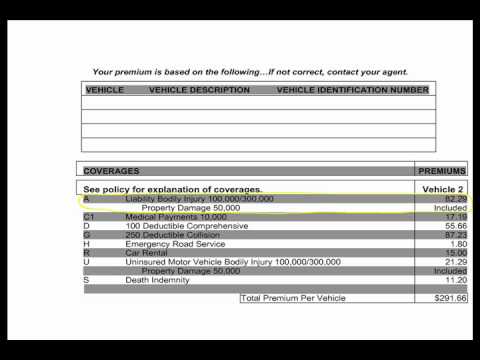
In the UK, there are these limits on liability that can make everything a bit tricky. Imagine you’ve got this amazing insurance policy that promises to cover all sorts of things. But then you find out there’s a cap on how much you can claim—like £1 million for property damage. It’s not that your insurance isn’t solid; it’s just that these limits are designed to manage risk for the insurer.
Let’s say your friend had an unfortunate accident while they were at your house—spill coffee on an expensive laptop or something like that—and it costs way more than what their policy covers. You might end up having to split the bill or deal with some awkward conversations. Been there? It stings a bit!
And those liability limits aren’t just numbers; they’re tied to different types of policies you might encounter like public liability or employers’ liability insurance. Each of these have their own caps and rules which can leave you scratching your head trying to figure out what fits best for you.
You know, one thing I’ve noticed is that people often skip over reading the fine print when getting an insurance policy. You could be paying all those premiums expecting full coverage only to find out later that certain situations are excluded or capped at a limit you weren’t even aware of. Seriously, it pays (in more ways than one) to dig into those details before signing anything.
Of course, there are ways around lower limits—like opting for additional coverage—but let’s be real here: it comes with its own cost and considerations. It’s all about finding the balance between what feels right and what fits in your budget.
So yeah, understanding how these liability limits work is not just about reading through pages of contracts but also about protecting yourself from unexpected hits down the line. You really don’t want to be caught off guard when life throws one of its curveballs at you!


