
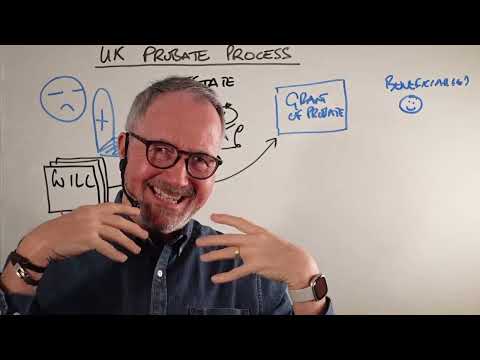
So, picture this: your great-aunt Edna passes away, and you find out she left you a Victorian vase. Exciting, right? But then you take it to an appraiser, and he says it’s worth less than your weekly coffee habit. What gives?
That’s the thing with probate valuation in the UK. It sounds pretty straightforward, but oh boy, can it turn into a wild ride! You think you know what something’s worth until someone tells you, “Nope.” And that can lead to some seriously tricky situations.
The information on this site is provided for general informational and educational purposes only. It does not constitute legal advice and does not create a solicitor-client or barrister-client relationship. For specific legal guidance, you should consult with a qualified solicitor or barrister, or refer to official sources such as the UK Ministry of Justice. Use of this content is at your own risk. This website and its authors assume no responsibility or liability for any loss, damage, or consequences arising from the use or interpretation of the information provided, to the fullest extent permitted under UK law.
Imagine not only dealing with Edna’s old vase but also figuring out how much that is gonna matter when it comes to taxes or even who gets what. That’s where things get messy! Inaccurate valuations can cause headaches for families and lead to disputes that could tear them apart.
Understanding the Accuracy of Probate Valuation: Key Insights and Considerations
Understanding probate valuation can feel like an overwhelming task, especially when you consider its implications on the deceased’s estate. Basically, the accuracy of probate valuation is super crucial, and getting it wrong can lead to a whole load of problems. Let’s break this down into simpler bits.
First off, what’s probate? Well, it’s the legal process that makes sure a deceased person’s assets are distributed according to their wishes (if they’ve left a will) or following intestacy laws if they haven’t. A big part of this process involves accurately valuing all that person’s belongings.
When it comes to valuing an estate for probate purposes, you wanna get everything right. Anything from property to personal belongings should be assessed at current market value. And it’s not just about being precise for your peace of mind. There are legal repercussions if the valuation is incorrect.
You see, challenges of incorrect probate valuation can arise in several ways:
- Tax Implications: If the estate is valued too low, you might underpay inheritance tax (IHT). The HMRC can penalize you for this oversight.
- Disputes Among Heirs: Imagine siblings fighting over who gets what because one believes an asset was undervalued. Who wants that family drama?
- Delay in Distribution: If there are disputes or challenges linked to valuation errors, it can really hold up how fast heirs receive their shares.
It’s also important to note that some assets require specific knowledge for accurate valuation. For instance, if a deceased person owned ancient coins or rare artworks—those aren’t your standard items! You might need expert appraisers who specialize in those fields.
Let’s say someone inherits their late aunt’s house but chooses not to get a professional appraisal done. They just guess its value based on similar houses nearby and submit that figure for probate purposes. If the actual market value comes out significantly higher later on, they could risk facing penalties or disputes with other heirs who might feel cheated.
So how do you avoid all these hiccups? First and foremost, engaging with professionals during this process is essential! It could save you time and hassle down the line.
Remember too that personal possessions aren’t always straightforward either. Things like jewelry or collectibles may have sentimental value but also carry significant monetary worth—even more than one might initially think!
In conclusion, understanding the ins and outs of creating an accurate probate valuation isn’t just busywork—it’s about ensuring fairness and legality after someone’s death. Mistakes here can spark conflicts among heirs or even attract unwanted attention from tax authorities! So taking care to get it right from day one really pays off in the long run—trust me on this!
Guide to Selling Your Deceased Father’s House: Key Considerations and Steps
Selling your deceased father’s house can feel overwhelming, especially when you’re trying to navigate the legal side of things. So, let’s break it down together. First things first, there are some key considerations you need to keep in mind before putting that property on the market.
Probate Process
Before you even think about selling, you’ve got to get through the probate process. This is where a court officially recognizes someone as the executor or administrator of the estate. If your dad left a will, it’ll name that person. If not, things can get a bit trickier.
Once probate is granted, you’ll have clear authority to manage the estate. You know how sometimes you feel lost without directions? That’s what this process is like without probate—it’s all about getting those legal papers in order!
Valuation of the Property
Now let’s talk money. Properly valuing your father’s house is crucial—not just for selling but for tax reasons too. If it’s valued too high, you could end up paying more inheritance tax than necessary. Or worse, if it’s too low, you might miss out on cash that rightfully belongs to the estate.
If you’re not sure how to get an accurate valuation, consider hiring a professional surveyor or estate agent who knows their stuff in your local area.
Challenges with Incorrect Valuation
Here’s where things can get a bit dicey: if there’s an incorrect valuation during probate and you end up selling low or high later on, it could lead to disputes among heirs or beneficiaries down the line—yikes! Imagine selling for less than half its worth and then having siblings argue over what should’ve been theirs; it could get ugly.
To avoid this mess, document everything! Keep records of how you reached that valuation; photos and notes do wonders here.
Preparing the House for Sale
Next up is preparing your dad’s home for potential buyers. Cleaning and decluttering go a long way! It might bring back memories while you’re sorting through old stuff—but trust me; buyers want to see what they’re buying without all that emotional baggage cluttering up their view!
Consider small repairs too; fixing leaky taps or repainting scuffed walls can drastically improve first impressions. You know how they say first impressions matter? Well, they absolutely do when it comes to houses!
Legal Obligations When Selling
When handling property sales as an executor or administrator, certain legal obligations come into play. You must act fairly and transparently towards all beneficiaries involved—like making sure everyone knows what’s happening with the sale.
You’ll also need proper documentation at hand. This includes proof of ownership (like title deeds) and any relevant correspondence from HMRC regarding taxes—you wouldn’t want surprises popping up unexpectedly!
Final Steps
Finally, once an offer comes in that feels right (woohoo!), work with a solicitor or conveyancer who can help draft contracts and ensure everything’s above board legally speaking. They’ll guide you through transferring ownership from your dad’s name to the new buyer.
And don’t forget: keep everyone informed every step of the way! Communication helps ease any tensions during this challenging process.
Remember: While selling may seem daunting at times—especially with emotions running high—it’s doable! So take a deep breath and tackle each step one at a time—you’ve got this!
Understanding the Consequences of Mistakes in the Probate Process
So, you’ve probably heard of probate, right? It’s that legal process that happens after someone passes away. The idea is to sort out their estate—basically, their money and belongings—and make sure everything’s divided according to their wishes or the law if they didn’t have a will. But let’s chat about the consequences of making mistakes in this process, especially around something like incorrect probate valuation.
When you value an estate incorrectly, it can seriously mess things up. Like, let’s say you underestimate the value of a house or some other asset. That could mean you end up paying less inheritance tax than you should’ve. Sure, it sounds good in theory—paying less tax—but here’s the kicker: if HMRC (that’s Her Majesty’s Revenue and Customs) finds out later that you underreported the value? You could be looking at penalties or interest on top of what you owe. And nobody wants that surprise!
Another thing to think about is how those mistakes can affect the beneficiaries. Picture this: someone who thought they were getting a nice chunk of change suddenly finds out there’s not as much as they expected because of a botched valuation. It could lead to disputes between family members. And honestly, family drama over money? Not fun.
Now, if you overstated values instead, that’s a different kettle of fish. You might be paying too much tax upfront! If it turns out you’ve paid more than needed, getting that back can be a real hassle.
Also worth mentioning are legal challenges. If someone feels unfairly treated due to an incorrect valuation—maybe they believe they should’ve gotten more—they might challenge the will itself or even take legal action against the executor for mishandling things. This could lead to long delays and added stress for everyone involved.
So how do we avoid these messes? Well, seeking professional help is always a good move when valuing assets in an estate! It might cost some money upfront but think about it like insurance against future problems.
In short:
You see what I mean? The probate process is no walk in the park; mistakes can have serious knock-on effects. Taking your time and getting accurate valuations can save everyone a whole load of grief down the line!
Probate valuation can be a tricky business, and it’s one of those things that can really stir up some emotions. I remember my mate Sara talking about her late mum’s estate. They had to deal with the whole probate process, and one of the biggest headaches was figuring out how to value everything correctly. It’s not just about the money; it’s about memories, family dynamics, and sometimes even tension.
When we talk about incorrect probate valuation in UK law, it’s hard not to feel for those going through it. Imagine losing a loved one and then having to face disputes over their assets. If the assets are valued too low, you might end up paying less inheritance tax than you should. But if they’re valued too high? That could mean overpaying taxes and inciting resentment among heirs who might think they got the short end of the stick.
And here’s another thing: misunderstandings can easily crop up around what needs to be included in that valuation. Personal items like your grandmother’s old china or a family heirloom might hold sentimental value but aren’t always considered as valuable in monetary terms. So, what do you do? Arguments can arise among family members trying to navigate what things should be valued higher or lower based on their own feelings.
Also, let’s not forget the time factor! The whole process can drag on for ages if there are disputes or errors in the valuations presented. It slows everything down and keeps everyone in a state of limbo—seriously stressful for families trying to move forward after a loss.
So when you’re dealing with probate valuations, yeah, it’s all about getting it right from the start. Working with professionals who know their stuff is super important because mistakes here can leave long-lasting scars on relationships that already feel fragile post-bereavement. At its heart, this aspect of law isn’t just numbers; it’s people’s lives intertwined with love and grief—and all those complicated feelings that come into play make navigating through this legal maze even more challenging.


