
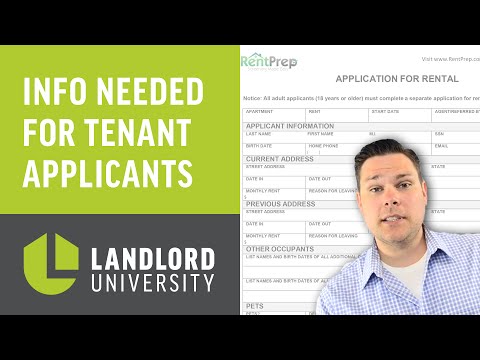
So, picture this: you finally found that cute little flat you’ve been dreaming about. You can already envision your new life there, sipping coffee on the balcony every morning. Exciting, right? But then comes the part that can really make or break your plans: the rental application form.
And let me tell you, it’s not just some boring paperwork. Seriously! It can trip you up if you’re not careful. You’ve got to fill it out right, or risk losing out to someone else who did their homework.
The information on this site is provided for general informational and educational purposes only. It does not constitute legal advice and does not create a solicitor-client or barrister-client relationship. For specific legal guidance, you should consult with a qualified solicitor or barrister, or refer to official sources such as the UK Ministry of Justice. Use of this content is at your own risk. This website and its authors assume no responsibility or liability for any loss, damage, or consequences arising from the use or interpretation of the information provided, to the fullest extent permitted under UK law.
You might be thinking, “What’s the big deal?” Well, trust me—there are a few essential things you really need to keep in mind when tackling those forms in the UK. So grab a cuppa and let’s dive into what makes a solid application!
Essential Requirements for a Rental Application in the UK: A Comprehensive Guide
When you’re thinking about renting a place in the UK, you’ll likely be asked to fill out a rental application. Here’s what you really need to know about the essential requirements for these applications.
1. Personal Information
First off, you’ll have to provide some basic personal details. This usually includes your name, date of birth, and contact information. They might also need your current address and previous addresses from the last few years. It’s like sharing your life story in a nutshell—easy enough, right?
2. Employment and Income Verification
Next up is proof of income. Landlords want to know you can pay the rent without breaking a sweat. You’ll often need to show documents like payslips or bank statements to back this up. If you’re self-employed, having tax returns handy can help show you’re financially stable.
3. References
Most applications will ask for references too. This could be from your previous landlord or even an employer who can vouch for you. It’s like having a buddy who can say nice things about you when you’re not around! Just make sure you ask them beforehand so they’re prepared.
4. Credit Check Consent
Now this part might feel a bit invasive but hang on! Landlords often want permission to run a credit check on you to see if you’ve managed money well in the past. They’re looking for red flags like unpaid bills or defaults—not perfect credit scores! So, don’t stress too much; just be honest about your situation.
5. Identity Documents
You’ll probably need some form of ID as well—like a passport or driving license—to prove who you are, because safety first! Some landlords might even ask for proof of your right to rent in the UK if you’re not a British citizen.
6. Rental History
Don’t forget about your rental history! If you’ve been renting before, landlords will want to know where and why you’re moving now. If there were any issues with past landlords (like failing to pay rent), it’s better to be upfront about it!
Anecdote: A Friend’s Experience
I remember my mate Sarah applying for her first flat in London—it was pretty nerve-wracking! She had all her paperwork sorted but forgot one little detail: her previous landlord’s contact info. When she figured that out at the last minute, she managed to get it before submitting her application—rule number one? Double-check everything!
The Bottom Line
So there you have it—essentially, being organized makes everything easier when it comes time for that rental application. Gather up all these documents ahead of time so you’re not scrambling at the last second!
And remember, honesty is key here; it’s better for everyone involved when clear communication happens from day one! Good luck with finding that perfect home—you’ve got this!
Essential Requirements for Renting a House in the UK: A Comprehensive Guide
Renting a house in the UK can feel like a jungle, can’t it? The rules and processes can be pretty overwhelming if you’re new to it. So, let’s break down all the essential requirements you should know about.
First off, you’ve got to understand that renting isn’t just about finding a nice place; there are legal essentials to consider too. And trust me, knowing these can save you a world of trouble later on.
1. Proof of Identity
When you’re looking to rent, one thing you’ll need is proof of identity. Landlords or letting agents will usually ask for some form of ID—like your passport or driving license. This is just to verify who you are, so it’s not too complicated, really.
2. Right to Rent Checks
Now here’s where it gets more serious: the Right to Rent checks. Basically, this is a check landlords must do to make sure you have the legal right to live in the UK. It affects both UK residents and immigrants alike. If you’re not sure about your status, get that sorted out before applying.
3. Employment and Income Verification
Next up is proving that you can actually pay rent! Landlords usually want proof of income—like payslips or bank statements—from the past few months. If you’re self-employed, you’ll need tax returns or profit-and-loss statements to show your income stability.
4. References
Additionally, most landlords will want references from previous landlords or employers—basically people who can vouch for your character and reliability as a tenant. It’s just their way of making sure they’re getting someone decent.
5. Credit Checks
And then there’s credit checks! Yes, this one might sound a bit scary but look—it helps landlords assess your financial history and any potential risk involved in renting their property to you. A good credit score can make things smoother while renting.
6. Deposit Requirements
You’ll also have to think about deposits; typically around five weeks’ worth of rent is common nowadays (though it could be more). The deposit goes into a government-approved scheme for safekeeping until your tenancy ends.
Now let me tell you something—a friend of mine once found his dream flat after a long search but stumbled over some paperwork during his application process because he missed providing his references on time! It delayed everything by weeks… super frustrating!
7. Tenancy Agreement
Once everything checks out—fingers crossed—you’ll sign a tenancy agreement which outlines everything from how long you’ll be staying to tenancy rules on pets and maintenance responsibilities.
In summary—or shall I say wrap-up?—renting in the UK involves several steps and requirements that are crucial if you want things to go smoothly when searching for your next home sweet home!
So keep these essentials at the back of your mind while you’re navigating those rental waters! It might seem like quite the hassle now but trust me; being prepared makes all the difference down the line!
Essential Mistakes to Avoid on Your Rental Application Template
So, you’re getting ready to apply for a rental property, huh? That’s exciting! But before you hit send on that application form, let’s talk about some common mistakes people make that could seriously mess things up for you. Trust me, avoiding these errors can save you a lot of headaches later.
1. Incomplete Information
It sounds simple enough, but leaving something blank can really hurt your chances. Let’s say you skip over your previous address or forget to add an employer reference. Landlords want the whole picture. Always fill in every section; if something doesn’t apply to you, just write “N/A.”
2. Providing Misleading Information
Look, I get it; everyone wants to put their best foot forward. But if you inaccurately report your income or past rental history, it can backfire big time. A few years back, I knew someone who lied about their job title thinking it would look good on paper. Spoiler alert: they got caught and missed out on the flat they loved.
3. Ignoring References
References are like the cherry on top of your application! Don’t neglect to include references from previous landlords or employers who can vouch for you. But remember: always ask them first! No one likes being caught off guard when a landlord calls them.
4. Not Checking Your Credit Score
A lot of landlords will check your credit score as part of the vetting process. So why not take a peek at yours beforehand? If there are any issues or mistakes, sort them out now instead of being blindsided later.
5. Poor Presentation
Your rental application is basically like a first date—you want to make a good impression! Make sure it’s neat and easy to read. Typos and messy formatting give off a vibe that you’re careless about something this important.
6. Forgetting About Supporting Documents
Sometimes people think filling in the form is enough—but nope! You’ll often need proof of income or identification like pay slips and bank statements. Make sure to attach these documents so nothing gets delayed unnecessarily.
7. Skipping Over Rent Affordability Checks
You might love that swanky place with the rooftop terrace but ask yourself: Can I actually afford this? Sometimes people get so excited that they overlook financial realities—and that’s how stress happens down the line.
8. Not Being Honest About Pets
Fancy furry friends? Be upfront about having pets! Lying may seem tempting if you’re worried about being rejected, but landlords are looking for transparency here too—if you’re caught in the act later on, it could lead to eviction!
So remember these tips as you finish up your rental application template: complete every section accurately and present yourself well—it’s totally worth it in making sure you’re not left searching again after disappointment!
When you’re thinking about renting a flat or a house, that rental application form can feel like a hurdle. It’s a necessary step, but it can also be kind of daunting, you know? You might be applying for what feels like your dream home, and then you’re faced with all those questions. Why do they want to know your life story?
First off, let’s talk about the information they usually ask for. You’ll need to provide personal details—like your name, address, and contact info—obviously. And then there are usually sections about your employment and income. The landlord or letting agent needs to verify that you can pay the rent on time each month.
It’s pretty common for them to request references too. This is where it can feel awkward; suddenly you’re reaching out to your old landlords or employers asking them to vouch for you. Think of it this way: they just want reassurance that you’re a responsible tenant. But don’t forget! You have rights here too; landlords must stick to certain rules if they’re taking your references.
Another thing worth mentioning is the data protection angle. Landlords are supposed to handle all of your personal information with care because—let’s face it—you wouldn’t hand over sensitive details casually, right? Under the UK’s data protection laws, you have every right to know how they’ll use your info.
And let’s not ignore those pesky application fees! Some landlords might charge an upfront fee just for processing your application. Make sure you’re clear on what those fees cover; sometimes they might even be non-refundable.
Now, here’s something that often gets overlooked—the importance of clarity in any terms attached to the form itself. If there are any conditions tucked away in fine print or if you spot any vague language about lease terms, don’t hesitate to ask for clarification! It’s better than being surprised later on down the line.
You may have heard stories about people getting tangled in bad rental situations because they didn’t read everything carefully. One friend of mine ended up stuck in a place with hidden fees and rules she wasn’t aware of simply because she skimmed through her application form too quickly.
And here’s another thing: If at any point something feels off or rushed during this process, trust your gut! It could be an indication that the place—or landlord—might not be what you’re looking for after all.
In short, approaching the rental application process with awareness and caution can make all the difference between scoring that great new pad or ending up tangled in unnecessary hassle. Just remember: it’s as much about finding the right fit for you as it is proving yourself as a good tenant!


