
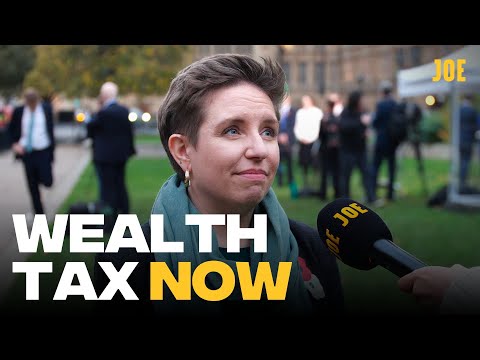
So, picture this: you’re at a party, and someone brings up taxes. Suddenly, the room goes silent like a magic trick gone wrong. Everyone just wants to talk about the latest Netflix series instead, right? But what if I told you that tax policies can actually be pretty exciting? Yup, seriously!
The Green Party in the UK has some interesting ideas about taxes. They want to make the world greener—and you might be surprised by the possible legal implications of their proposals. It’s not just about saving trees; it’s about changing how we think about money and fairness in society.
The information on this site is provided for general informational and educational purposes only. It does not constitute legal advice and does not create a solicitor-client or barrister-client relationship. For specific legal guidance, you should consult with a qualified solicitor or barrister, or refer to official sources such as the UK Ministry of Justice. Use of this content is at your own risk. This website and its authors assume no responsibility or liability for any loss, damage, or consequences arising from the use or interpretation of the information provided, to the fullest extent permitted under UK law.
You know, taxes can feel super boring or even overwhelming. But understanding them could have a real impact on your life and your community. Hang tight as we unravel what the Green Party is all about when it comes to taxes and why it’s worth your attention!
Exploring the Green Party’s Income Tax Policy: Principles, Proposals, and Impacts
The Green Party in the UK pushes for some pretty **interesting ideas** around income tax. Their approach is rooted in principles that aim to not only tackle climate change but also address social inequality. Let’s break it down.
1. Progressive Taxation
The Green Party believes in a system where those who earn more pay a higher percentage of their income in tax. It’s like saying, if you’re making a ton of money, you should help fund public services more than someone who’s just scraping by. This principle aims to lessen wealth inequalities and ensure everyone contributes fairly.
2. Wealth Tax Introduction
They propose a new tax on wealth, which is basically about taxing assets rather than just income. This could include things like property or investments. The idea is to generate revenue that can be used for green initiatives and public services. So, if you’ve got multiple properties sitting pretty, you might feel the pinch!
3. Ending Tax Avoidance
A big part of their proposal focuses on cracking down on tax avoidance schemes that allow wealthy individuals and corporations to pay significantly less than they should be contributing. It’s kind of like when someone finds a loophole to avoid paying full price at the shop—you wouldn’t want that, right?
4. Funding Green Initiatives
One of their main aims is to use these taxes to fund green projects—think renewable energy or sustainable transport systems, which could create jobs while helping the planet at the same time. Imagine your local area having more electric buses or wind farms; it can feel overwhelming but exciting!
5. Impact on Public Services
By shifting taxation towards higher earners and wealthier individuals, they believe it could enhance public services like education and healthcare, making them better for everyone in society. If funded properly, wouldn’t it be nice to see hospitals with fewer waiting times?
6. Legal Implications
Now, for all this to happen legally, they’d need Parliament’s backing since any major changes to tax laws require legislation—basically a whole process that involves debates and votes! So, even if these proposals sound great on paper, getting them into law would take some serious effort.
In essence, the Green Party’s approach to income tax is about fairness and sustainability; they see taxation as a tool not just for revenue but also for promoting social good and environmental health.
If you think about these changes impacting real lives—like helping those struggling financially or supporting eco-friendly projects—it gives you something to consider seriously when discussing our economic future!
Exploring the Green Party’s Inheritance Tax Policy: Key Insights and Implications
The Green Party’s stance on inheritance tax is pretty intriguing. They have some distinct ideas about how to adjust it, aiming to tackle wealth inequality and environmental issues. Let’s break down what they’re proposing and its potential implications.
1. Increased Rates for Higher Inheritances
One of the main points in their policy is pushing for higher rates on larger inheritances. The thought process here is clear. They want to make sure that when wealth transfers happen at a high level, it contributes more significantly to public funds. This could help fund social projects like education or green initiatives.
2. Reducing Exemptions
Currently, there are various exemptions and reliefs that allow a good chunk of estates to pass on without incurring much tax. The Green Party suggests trimming these down, particularly for things like family businesses or farmland exemptions. By doing this, they believe more wealth can be taxed effectively.
Imagine a scenario where a wealthy individual passes down a large estate with minimal tax implications due to exemptions—meanwhile, someone with modest assets pays a relatively high rate simply because their estate falls below the threshold for reliefs. It feels unfair, you know?
3. Aiming for Fairness
The idea isn’t just about raising money—it’s also about promoting fairness in society. The party argues that inherited wealth often stays within certain families, which perpetuates inequality across generations. By increasing taxes on substantial inheritances, they hope to level the playing field.
There’s a real emotional angle here too! Picture someone who has worked hard all their life only to see someone else benefit disproportionately from an inheritance without having contributed much themselves.
4. Funding for Public Services and Environmental Initiatives
The revenues generated from increased inheritance tax could be allocated towards vital public services and environmental projects—things that matter deeply to many citizens today. More funding might mean better healthcare, education, and stronger efforts against climate change.
5. Potential Legal Implications
As with any tax policy changes, there are legal implications to consider as well! Shifting how inheritance taxes are applied would require careful legal drafting and possibly some disputes over interpretations of existing laws.
There might be challenges regarding human rights considerations too—the right to enjoy one’s property is quite significant in UK law—and any changes won’t just slide through without scrutiny.
In summary, the Green Party’s approach to inheritance tax aims at revising current structures for fairness while using funds generated towards essential services and environmental measures. It’s definitely one way they’re trying to reshape societal norms around wealth distribution in the UK but also stirs up important legal discussions along the way!
Exploring the Green Party’s Wealth Tax Policy: Impacts and Implications for Economic Equity
The Green Party in the UK has been pushing for a wealth tax policy, aimed at addressing economic inequality and funding various social programs. You might be wondering what exactly this means and how it could impact the economy. Let’s break it down together!
So, what is a wealth tax? Essentially, it’s a levy on the net wealth of individuals or households. It’s different from income tax, which is taken from earnings. The idea here is to target people with significant assets. You know, those who have a lot more than just your average savings account.
Here are some key points about the Green Party’s wealth tax:
Now you might be asking: how does this align legally? Well, introducing such a tax would require changes to existing tax laws in Parliament. It can be quite complicated! That’s because any new taxes must comply with both UK law and European human rights law. If not done carefully, they could face legal challenges; imagine someone arguing that it violates their property rights.
But what about practical implications? Some folks might worry that high earners will simply relocate abroad to avoid paying this tax—nobody likes missing out on their money! However, proponents argue that building robust public services can make living in the UK very attractive.
Anecdote time: Picture this—you have an elderly neighbour who’s struggling to afford essential medications while looking out at flashy cars parked outside another house down the street. A wealth tax could help ease that situation by redistributing resources more equitably.
In summary, while the Green Party’s wealth tax aims for greater economic equity and funding for public services, its legal implementation faces hurdles that need careful navigation. It sparks quite a conversation about fairness and responsibility in taxation! So yeah, these discussions are vital as we ponder how best to support everyone in our communities without losing sight of legal boundaries.
So, you know, when we start thinking about the Green Party and their tax policy, it’s pretty clear they’ve got some unique ideas. They’re all about making the economy work for both people and the planet. Seriously, it’s a refreshing take. Their approach focuses on environmental sustainability while also trying to address social inequality—like, how can we make sure everyone gets a fair shot at a good life while also caring for our Earth?
One of the big pieces of their tax policy is this idea of “green taxes.” Basically, they want to tax things that harm the environment—like pollution or fossil fuels. The thought process here is that if it costs more to harm the Earth, businesses will think twice before doing it. It sounds great on paper, but what happens legally?
Well, if implemented, there’d be some challenges. For instance, companies could argue that these taxes are unfair or too burdensome. They might even challenge them in court based on existing laws or international agreements. You see? If a business feels like they’re being pushed too hard financially by new regulations, they might push back legally.
I remember reading about a small eco-business in my neighborhood that initially thrived because of local incentives for green practices. But when new taxes started coming in without any support for smaller companies like theirs, they struggled to adapt and eventually had to downsize. It really brought home how important it is for policies to consider the real-life impact on businesses before just slapping taxes on everything “bad” for our planet.
Another thing worth noting is how these policies might affect different communities across the UK. Wealthier areas usually have more resources to absorb costs from new taxes compared to lower-income regions that might be heavily affected by rising prices due to these green initiatives. Legal implications could arise around fairness and equal treatment under the law—which is so important!
In short, while the Green Party’s tax policy seems promising and ambitious—like a brave step toward sustainability—the practical side with legal frameworks can get quite complicated. Balancing environmental goals with economic realities is not just vital; it’s a tightrope walk where every step counts!


