
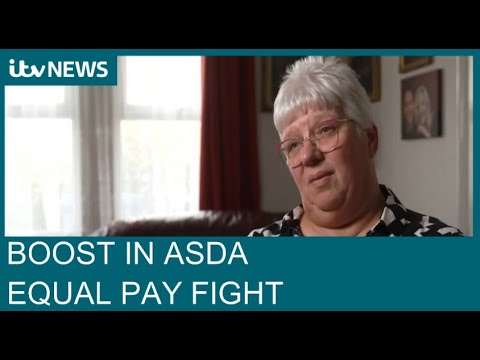
You know what’s wild? Picture a giant supermarket with loads of employees, but the ones stacking the shelves and scanning your groceries aren’t getting paid the same. Crazy, right? That’s the heart of the equal pay challenges between GMB and Asda.
So, here’s the scoop: GMB, which is a trade union, is pushing for fair pay. They argue that workers doing similar jobs deserve to be paid fairly, regardless of gender. It’s an age-old debate that still stirs up some serious conversations in pubs and cafes everywhere!
The information on this site is provided for general informational and educational purposes only. It does not constitute legal advice and does not create a solicitor-client or barrister-client relationship. For specific legal guidance, you should consult with a qualified solicitor or barrister, or refer to official sources such as the UK Ministry of Justice. Use of this content is at your own risk. This website and its authors assume no responsibility or liability for any loss, damage, or consequences arising from the use or interpretation of the information provided, to the fullest extent permitted under UK law.
You might think this stuff only happens in fancy boardrooms or legal offices. But nah, it affects everyday people just like you and me. It touches on basic rights—like feeling valued for your hard work. Stick with me; we’re diving into how these tensions play out in real-life legal battles!
Analyzing Equal Pay Challenges: GMB vs. Asda Legal Proceedings of 2022
Equal Pay Challenges: GMB vs. Asda Legal Proceedings of 2022
In 2022, a major case erupted in the UK concerning equal pay when the trade union GMB took on supermarket giant Asda. This case highlighted tensions about pay discrepancies between workers in different roles, particularly focusing on men and women.
Asda employs thousands, and while many do similar jobs, they often receive different wages. The GMB argued that female employees working in stores, like checkout staff, were paid significantly less than their male counterparts working in distribution centers. Sounds pretty unfair, right?
Key Points from the Legal Proceedings:
- Background of the Case: The case dates back to claims made by female workers who felt their roles were undervalued compared to male roles at Asda.
- Equality Act 2010: This law plays a crucial role here; it demands that men and women should be paid equally for equal work. GMB argued that Asda was violating this act.
- The Role of Job Evaluation: Asda claimed that their pay structure is based on a job evaluation system. However, GMB insisted that this system unfairly disadvantaged female employees.
- The Emotional Impact: For many of these workers, this issue isn’t just about money; it’s personal. Imagine working hard every day knowing you’re being paid less than someone who does essentially the same job just because of gender.
- Court Decisions: The tribunals and courts have made several decisions throughout this process—some favoring Asda and others leaning towards GMB’s arguments.
What’s intriguing is how this ongoing legal battle signifies more than just one dispute between an employer and its staff. It highlights systemic issues within workplace pay structures across industries.
The hearings attracted public attention not only because of the financial implications but also because they reflect larger societal values regarding fairness and equality at work. Everyone wants to feel valued for their contribution.
As things unfolded in 2022, it became clear that these challenges wouldn’t just evaporate overnight. There are layers upon layers to unpack when it comes to equal pay issues—like how promotions are handled or how job evaluations are conducted.
GMB’s fight against Asda is also encouraging other organizations to review their own pay practices. So maybe there’s hope? By shining a light on these disparities, it opens the door for discussions about fairness everywhere.
In short, the outcome of GMB vs. Asda could shape future employment practices across various sectors in the UK. It’s about ensuring **everyone gets what they deserve**, regardless of gender or role—and that’s something we can all get behind!
Examining Equal Pay Challenges in GMB and ASDA Legal Proceedings: Insights from 2021
The issue of equal pay has been a hot topic in the UK, especially surrounding the legal battle involving GMB and ASDA. So, let’s break it down a bit.
In 2021, the GMB union brought forward claims against ASDA, arguing that their pay practices were discriminatory. Basically, they were saying that women working in stores were paid less than men in distribution centers for work that was similar in nature.
What’s at stake here? Well, quite a lot! If successful, these claims could mean significant financial compensation for thousands of ASDA workers and potentially pave the way for other companies to reevaluate their pay structures too. Sounds pretty revolutionary, right?
A key point that emerged is the concept of “equal work.” Under the Equality Act 2010, you have the right to receive equal pay for equal work or work rated as equivalent. This means if you’re doing a job that’s similar in terms of skills and responsibilities to someone else but getting paid less just because of your gender – well, that’s not okay.
In this case, GMB argued that ASDA’s distribution center jobs were being paid higher than those in stores without justification. They believed this disparity indicated underlying discrimination based on gender. So it wasn’t just about numbers; it was about fairness.
Now, why did this become such a big deal? The implications stretched beyond just ASDA employees. It put a spotlight on how many women across different sectors might be facing similar issues without even realising it!
ASDA believed it had strong arguments during the hearings; they often pointed to various factors like market conditions and job requirements. However, many felt these points didn’t adequately address the core issue – if men were benefiting from higher wages without clear justification compared to their female colleagues.
The hearings involved numerous testimonies and evidence bringing forth real-life stories from employees impacted by this wage disparity. Hearing personal accounts from workers added an emotional weight to proceedings that just ticked boxes wouldn’t capture.
So where does all this leave us? The legal proceedings shed light on critical questions around gender equality in workplaces overall. They also highlighted how necessary it is for unions like GMB to challenge unequal practices actively.
If you’re working somewhere and think you’re getting paid less than someone doing similar work just because of your gender – remember: you do have rights! It might be worth looking into what steps you can take.
Ultimately, these discussions are essential not only for those directly involved but for shaping future workplace policies across industries. Equal pay isn’t just a nice-to-have; it’s a fundamental right every worker deserves!
Equal Pay Now: Achieving Fair Compensation for All Workers
Alright, so let’s chat about equal pay. It’s a huge issue in the workplace and affects a ton of people across the UK. You may have heard of the recent legal battles, particularly involving GMB and Asda, where they’re grappling with this very topic. Basically, it all boils down to whether workers doing similar jobs should get paid the same amount—regardless of gender or other factors.
Think of it this way: imagine working in a shop doing the same tasks as your colleague. You both put in equal effort. But then you find out that your friend gets paid more just because they’re from a different background or because of their gender. Frustrating, right? That’s what equal pay challenges often center around.
So, let’s break down some critical points:
- The Equal Pay Act 1970: This law came into play to make sure men and women got the same pay for equal work. It sounds simple but enforcing it can be a whole different ball game.
- GMB Union vs Asda: Recently, GMB has taken Asda to court claiming that female workers are being paid less compared to their male counterparts in warehouses who do similar jobs. This case is key because it highlights ongoing disparities.
- Transparency Issues: Many companies struggle with transparency when it comes to pay scales. If there’s no clear breakdown of who earns what and why, it’s hard for people to know if they’re being treated fairly.
- The Gender Pay Gap: On top of equal pay challenges, there’s also a wider gender pay gap that reflects differences in average earnings between men and women across various sectors.
- Collective Action: Unions like GMB are essential for pushing these matters forward. When workers come together, they have more power to demand change.
You might remember that one time when I read about someone who worked tirelessly at a grocery store but was paid much less than her male colleagues who were doing similar work in distribution centers. Just thinking about how unfair that is makes me wonder how many others face similar issues every day!
The thing is, achieving fair compensation isn’t just about laws; it’s also about changing attitudes within workplaces. That involves companies needing to *really* look at their policies and practices—because if things stay the way they are now, we won’t see much progress.
Looking ahead, keeping an eye on cases like GMB vs Asda can shed light on how these issues might evolve. Will we see real change? Or will certain barriers remain? It’s definitely something worth watching! So keep talking about equal pay—it truly matters!
You know, the whole equal pay issue between GMB and Asda has really stirred up quite a conversation lately. It’s kind of one of those topics that gets people thinking about fairness in the workplace. So, if you didn’t catch it, the GMB union has been fighting for years now to get Asda to pay their workers what they really deserve. Now, that’s not just about numbers on a paycheck; it’s also about respect and recognition for the hard work that goes into those roles.
I remember chatting with a friend who used to work at a supermarket chain. She poured her heart into her job but felt like she was always overlooked compared to her male counterparts in other departments who were getting paid more for similar roles. That feeling of being undervalued is tough, you know? It can really mess with someone’s confidence.
In this legal battle, GMB’s pointing out that many workers in distribution centres are mainly women and they claim they’re being paid less than men doing similar work in stores. It’s like saying the same effort, skill, and time are worth different amounts simply due to gender—seriously unfair! The courts have had their hands full with this case because it touches not just on wages but on broader principles of equality and rights in the workplace.
And what seems wild is how these cases can take ages to resolve! Workers often wait years for justice while still trying to make ends meet each month. Sometimes it feels like society is moving forward but then you get reminders that some things just haven’t changed much at all.
So yeah, while this legal wrangling is crucial for setting precedents, I really hope it’s not lost on anyone that these aren’t just numbers; they’re people’s lives at stake here. Equal pay isn’t just an ideal; it should be a reality everyone experiences without question!


