
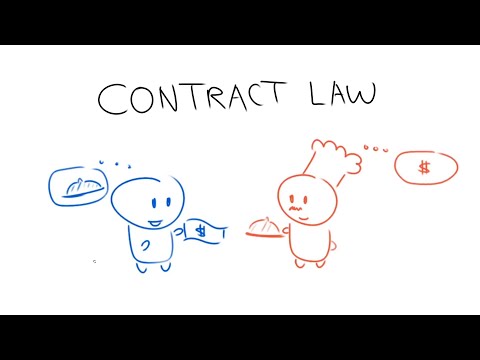
So, picture this: you and your mate decide to start a band. You’re all pumped up, jamming in the garage, but when it’s time to split the gig money, things get messy. One of you thinks they should get more because they wrote the songs. Uh-oh!
This is where formal agreements come in. Yeah, those boring bits of paper that seem like no one really wants to deal with. But seriously, they can save friendships – and way worse situations!
The information on this site is provided for general informational and educational purposes only. It does not constitute legal advice and does not create a solicitor-client or barrister-client relationship. For specific legal guidance, you should consult with a qualified solicitor or barrister, or refer to official sources such as the UK Ministry of Justice. Use of this content is at your own risk. This website and its authors assume no responsibility or liability for any loss, damage, or consequences arising from the use or interpretation of the information provided, to the fullest extent permitted under UK law.
In the UK, getting an agreement down on paper isn’t just for dramas; it’s about clarity. It lays out who does what and gets what, so no one feels cheated later on.
We’ll chat about the basic principles behind these agreements and how they actually work in real life. Trust me; it’s more interesting than it sounds!
Understanding the Principles of Contract Law in the UK: Key Concepts and Implications
Understanding contract law can feel a bit daunting at first, but it’s essential for anyone doing business or even making agreements in everyday life. So, let’s break it down into bite-sized pieces, shall we?
What is Contract Law?
Contract law is, at its core, about ensuring that promises made between people or businesses are kept. In the UK, it’s governed mainly by common law and some statutes. Basically, when you enter into a contract with someone, you’re creating a set of obligations that both parties must follow.
Key Elements of a Contract
For a contract to be valid and enforceable in the UK, there are key elements you need to keep in mind:
- Offer: One party makes a clear proposal to another.
- Acceptance: The other party agrees to the offer without changing any terms.
- Consideration: Something of value must be exchanged; it can be money or services.
- Intent: Both parties must intend for the agreement to create legal obligations.
- Capacity: Parties should have the legal power to enter into a contract; for instance, minors generally can’t sign contracts.
So here’s an example: Let’s say you decide to sell your old bike online. You post an ad saying it’s £100. A buyer messages you saying they’ll take it for that price. You’ve got an offer and acceptance. If they pay you those £100 and you hand over the bike, then you’ve fulfilled your part of the deal.
A Formal Agreement vs. Informal Agreements
While many contracts can be verbal (like our bike example), sometimes you’ll need something more formal—especially in significant transactions like buying property. Written contracts help avoid misunderstandings because they clearly outline what each party agreed to do.
However, just having things in writing doesn’t mean everything will go smoothly. Even written contracts can have issues if they’re not clear or if one party didn’t understand what they were signing.
Breach of Contract
Now let’s talk about what happens if someone doesn’t hold up their end of the bargain—this is referred to as a “breach.” If one party fails to fulfill their obligations as stated in the contract, the other party may seek remedies. Remedies could include:
- Damages: Financial compensation for any loss caused by the breach.
- Specific Performance:
- Cancellation:
- Cancellation:
For instance, if our buyer never shows up with that £100 after agreeing on buying your bike? Well then you’ve got grounds for breach of contract!
The Importance of Terms and Conditions
Contracts often contain something called “terms and conditions.” These specify detailed rules about how things should operate within your agreement. They help clarify what happens if something goes wrong—it’s like setting ground rules before starting a game.
And remember: not all terms are created equal! Some might be essential (like payment details), while others might just be nice-to-haves (like delivery timelines).
So basically? Understanding these principles gives you greater control over your agreements—whether you’re signing your name on a dotted line or just verbally agreeing with someone at work!
In conclusion (oops!), I mean summing this up—contract law is super important because it protects both parties involved in any agreement! By knowing these basic principles and implications around forms agreements in UK law, you’re well on your way to navigating legal waters smoothly!
Understanding the Key Elements of a Legally Binding Agreement in the UK
So, you’re curious about what makes an agreement legally binding in the UK. That’s a good question! Contracts and agreements are like the glue that holds various relationships together, whether it’s business deals or personal arrangements. Understanding the key elements can save you a lot of hassle down the line.
1. Offer and Acceptance
First off, there’s the whole idea of offer and acceptance. One party needs to make an offer, something specific they’re willing to do or provide. And then, the other party must accept that offer clearly and without conditions. For instance, if I say I’ll sell you my bike for £100, that’s my offer. If you say yes without changes, we’ve got acceptance!
2. Consideration
Next on our list is consideration. This fancy term just means something of value is exchanged between the parties involved. It doesn’t have to be money; it could be a service or even a promise to do something in return. Let’s say you agree to paint my fence if I give you my old guitar. That exchange gives value to both sides.
3. Intention to Create Legal Relations
Now here comes a big one: intention to create legal relations. Basically, both parties need to intend for their agreement to have legal consequences. If you’re just joking around with your friends about sharing dessert at dinner, that’s not a legal contract! But if you write up an agreement for a loan and both sign it? That shows clear intention.
4. Capacity
Then there’s capacity—nope, not like filling up your car with petrol! This refers to whether each party has the legal ability to enter into a contract. For example, minors (under 18) generally can’t enter into contracts unless they’re for necessities like food or clothing.
5. Legality of Purpose
Another essential element is legality of purpose; this means that what you’re agreeing on must be lawful! You can’t make an enforceable agreement about something illegal—like selling stolen goods or agreeing on anything that goes against public policy.
6. Certainty of Terms
Last but not least is certainty of terms (oh so important!). The terms should be clear enough so everyone knows what they’re getting into; vague agreements can lead to confusion and disputes later on—think “I’ll pay you later” without any timeline!
So there you have it! If all these elements are present in your agreement as per UK law, then congratulations—you’ve got yourself a legally binding contract! Taking these key factors into account helps keep things straightforward and prevents misunderstandings between parties later on.
If you’re ever unsure about how these elements play out in real life situations—or if you’ve got doubts about a contract you’re considering—it might be helpful having a chat with someone who knows their stuff in law or contracts specifically!
Understanding Formal Agreements: Key Elements and Importance in Business Transactions
Understanding formal agreements is pretty crucial when you’re delving into the world of business transactions. Seriously, having a clear, documented understanding can avoid all sorts of trouble down the line. So, let’s break this down nicely.
What is a Formal Agreement?
A formal agreement is basically a legally binding document that lays out the terms and expectations between parties. Think of it as your cheat sheet for what everyone’s agreeing to do. Without it, you’re kind of walking into murky waters.
Key Elements of a Formal Agreement
There are several essential elements that make up a solid agreement:
The Importance in Business Transactions
Now why should you care about these elements? Well, understanding them can save you from loads of issues in business dealings.
First off, formal agreements provide clarity. When everything’s in writing and clearly laid out, it helps both sides understand their obligations. No one wants surprises when it comes to money or responsibilities!
Secondly, they protect your interests. Imagine you’re relying on someone to deliver goods by a certain date but there’s no written proof? If they don’t deliver on time and you lose clients because of it—ouch! A nice formal document could help with recourse.
Lastly, formal agreements help prevent disputes. If things go wrong (and they sometimes do), having an agreed-upon document makes resolving those disputes easier—just refer back to the contract!
An Example in Real Life
Let me tell you about Anna and her friend Tom who run a café together. They decided one day that if Anna invests £20k into renovations, she’d get 70% of the profits until she recoups her investment plus 10%. Sounds simple enough right? But they didn’t write anything down…
Fast forward six months later: Tom believes Anna should only get 60%. Without any formal agreement backing her claim up? Well…you get where this is going! A simple piece of paper outlining their deal could’ve prevented all that drama.
The Bottom Line
Formal agreements are much more than just paperwork; they’re your safety net in business dealings! Understanding what makes them solid and how important they are can make all the difference in smooth transactions and strong partnerships.
So next time you’re entering into an arrangement with someone—remember those key elements! It just might save you from unnecessary headaches later on!
When it comes to formal agreements in UK law, there’s a lot more to it than just signing your name on a dotted line. You know? These contracts are pretty much everywhere, and they govern just about every aspect of our lives—from buying a house to starting a new job. It’s fascinating when you think about how these agreements shape our daily interactions.
Here’s the thing: for an agreement to be considered a formal contract in the UK, it generally has to meet certain principles. You’ve got offer, acceptance, consideration (which is just a fancy legal term for what each party gives up), and intention to create legal relations. Sounds straightforward enough, right? But here’s where it gets interesting. Think about that time you lent a friend some money for a night out, but they never paid you back. Was that an informal agreement? Maybe! But if you had written something down or even made them sign something, it could’ve become more formal—and legally binding.
I remember chatting with my friend who had trouble with her landlord over some repairs that weren’t being done. They had signed a tenancy agreement, which is essentially that formal contract outlining their rights and obligations. She felt trapped because she didn’t fully understand what she was getting into when she signed it without reading the fine print. Unfortunately, many people find themselves in similar situations where they sign contracts without really knowing what it means—or worse, thinking they’re safe because the other party is trustworthy.
Formal agreements can also be complex; think of construction contracts or business partnerships—totally different ballgames with specific rules and regulations. It’s like each one comes with its own language almost! And while it’s super important to get those details right on paper to avoid future disputes, what’s striking is how often misunderstandings arise simply because one party didn’t communicate clearly.
It’s an eye-opener really; the principles behind these agreements hinge not only on legality but also on trust and understanding between parties involved. And as life throws unexpected curveballs at us—like losing jobs or facing emergencies—being aware of your rights and obligations can make all the difference in standing your ground.
So next time you’re about to dive into a deal or agree on something major—even if it’s with friends—take that extra moment to reflect on what you’re really agreeing to. Because in this complex web of relationships and contracts we navigate every day, understanding the basics can empower you like nothing else!


