
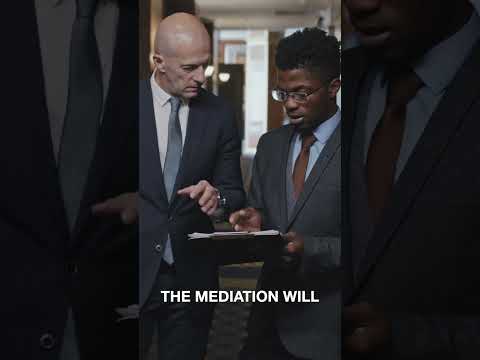
So, the other day, I was chatting with a friend about how life can be pretty messy sometimes. You know, like when your best mate borrows your favorite book and then spills coffee all over it? Total nightmare, right?
Well, in the legal world, things can get just as complicated. Conflicts pop up all over the place. But instead of diving into long court battles that make everyone grumpy and stressed, there’s this cool thing called mediation.
The information on this site is provided for general informational and educational purposes only. It does not constitute legal advice and does not create a solicitor-client or barrister-client relationship. For specific legal guidance, you should consult with a qualified solicitor or barrister, or refer to official sources such as the UK Ministry of Justice. Use of this content is at your own risk. This website and its authors assume no responsibility or liability for any loss, damage, or consequences arising from the use or interpretation of the information provided, to the fullest extent permitted under UK law.
FMC Mediation is a game-changer in UK law. It’s all about helping folks sort out their differences without all the fuss of a courtroom drama. Imagine sitting down with a neutral person guiding you through your issues—pretty neat, huh?
In this piece, we’re gonna explore how it works and why it might be just what you need if you ever find yourself in a sticky situation. So stick around; you might find some answers!
Understanding the 4 C’s of Mediation: Key Principles for Effective Conflict Resolution
Mediation is a process where two or more parties come together to resolve their disputes with the help of a neutral third party, called a mediator. If you’ve ever been in a conflict, you know how important it is to find a resolution that works for everyone involved. The thing is, understanding the basic principles of mediation can make this process much smoother and more effective. So let’s look at the 4 C’s of Mediation: Confidentiality, Communication, Cooperation, and Creativity.
Confidentiality is one of the cornerstones of mediation. It means that anything discussed during the mediation session stays private. This is super important because it allows both parties to speak freely without worrying about their words coming back to haunt them later. Imagine attending a family meeting about dividing some inheritance; knowing that what’s said won’t be used against anyone later helps people express their true feelings and concerns.
Then there’s Communication. Good communication is vital in mediation. It involves not just talking but also truly listening to each other. During sessions, mediators encourage participants to express their thoughts clearly while also being open to understanding the other side’s perspective. Think about it like this: if you’re arguing with someone about who borrowed your favorite sweater and never returned it, both sides need to share not just facts but feelings too. After all, maybe that person had no intention of keeping it; maybe they thought you didn’t want it back!
Now onto Cooperation. This might sound obvious, but it can be pretty challenging in heated situations. Cooperation means that both parties are willing to work together towards finding a solution rather than just trying to win the argument. It’s like being in a team sport—you’re both on opposing teams but aiming for the same goal: resolving the issue at hand without further conflict.
Lastly, we have Creativity. Sometimes traditional solutions just don’t cut it, and that’s where creativity comes into play! Mediation encourages thinking outside the box. For instance, if two neighbors are bickering over fence placement or garden access, instead of sticking rigidly to legal rights, they might come up with an entirely new idea like sharing common garden space or even creating something beautiful together!
So basically, these four principles—Confidentiality, Communication, Cooperation, and Creativity—are key for effective conflict resolution through mediation. They help people move beyond their disagreements toward solutions that make everyone feel heard and respected.
In sum, if you’re ever faced with a conflict where mediation could be helpful—like family issues or business disputes—remember these principles! They create an atmosphere where everyone feels safe discussing sensitive topics and work collaboratively toward an agreeable outcome. You follow me? Mediation can really pave the way for resolution when done right!
Step-by-Step Guide to Becoming a Mediator in the UK: Requirements and Pathways
So, you’re thinking about becoming a mediator in the UK, huh? That’s pretty cool! Mediation can be such an effective way to help people resolve their disputes without going through the whole rigmarole of court. Let’s break down what you need to do, step by step.
Understanding Mediation
First off, mediation is a process where a neutral third party—yep, that’s you!—helps two or more people reach an agreement. It’s all about communication and finding common ground. You might want to think about the types of mediation you’re interested in: family, civil, commercial—you name it.
Basic Requirements
Before you jump in, there are some basic requirements you’ll need to meet:
Think about that time your friend was having an argument with their partner. They came to you for advice because they knew you would listen and not take sides. That’s kind of what being a mediator is like!
Mediation Training
Okay, so how do you actually get trained? Here’s where things get interesting:
And hey! Some courses even offer role-playing exercises that replicate real-life mediation scenarios which can be super helpful.
Gaining Experience
Once you’ve trained up nicely, it’s important to gain some hands-on experience:
Imagine sitting quietly in on a session where two parties find common ground over something they thought was impossible. That feeling of facilitating understanding? Priceless.
Pursuing Accreditation
Now that you’ve got some experience under your belt, seek accreditation:
The journey towards accreditation isn’t just about showing off credentials; it shows that you’re committed to maintaining high standards.
A Finding Your Niche!
Once you’ve hit the ground running as a mediator but it’s still okay if you’re trying to figure out what area you’d love working in:
Your journey doesn’t have one clear path; rather than walking alone on this road—find others who share similar passions!
In short, becoming a mediator involves understanding what mediation is all about, getting trained properly, gaining experience through shadowing or volunteering opportunities, seeking accreditation from reputable bodies—and finally figuring out where your passion lies within this diverse field. The sense of helping others reach resolutions can truly make all this effort worthwhile!
Understanding the 7 Stages of Mediation: A Comprehensive Guide
Mediation can be a real game-changer when it comes to resolving disputes. It’s like sitting down with a neutral third party who helps everyone talk things out. The FMC mediation process in the UK follows seven stages, each important for getting things sorted smoothly. Let’s break these down so you know what to expect.
1. Preparation: This is where everything begins. You gather your thoughts and documents that relate to your case. You might need to fill out some forms and share background info with the mediator. It’s kinda like prepping for a chat with a friend about something that’s been bothering you.
2. Opening Statements: Here, the mediator introduces themselves and explains the rules of mediation. Then, each party gets to say their side of the story without interruptions—it’s like having your chance at the mic! You might feel nervous, but it’s all about expressing what you want to resolve.
3. Information Exchange: Now comes the nitty-gritty part! Each party shares more detailed information about their positions and interests. This part helps everyone understand each other’s perspectives better. Think of it as clearing up any confusion that might have led to the disagreement in the first place.
4. Identification of Issues: Together with the mediator, you’ll identify the key issues that need attention. The goal is to focus on what’s really causing friction, rather than getting lost in side debates about less important points.
5. Generating Options: This stage is all about brainstorming solutions! The mediator encourages creative thinking here, so don’t hold back on ideas—even the wild ones could lead to something workable later on.
6. Negotiation and Agreement: After exploring options, it’s time to negotiate. This can get intense but stick with it; good compromises often come from tough discussions! If an agreement is reached, it can be written down so everyone knows what’s agreed upon moving forward.
7. Closure and Follow-Up: Finally, once everything’s wrapped up (and hopefully everyone feels good about it), there’s a closure phase where next steps are discussed if needed. Sometimes mediators check in later just to see how things are going—like a friendly follow-up message!
Mediation isn’t always easy or straightforward; it requires patience and understanding from all parties involved. But look at this way: by following these seven stages, you’re taking proactive steps toward finding resolution instead of getting stuck in conflict forever!
So, let’s have a chat about FMC mediation and its role in UK law. You know, I recently spoke with a friend who was going through a really messy divorce. It was pretty heartbreaking to watch how frustrated and overwhelmed they felt. They told me about their experience trying to reach an agreement with their ex-partner over custody matters and finances. Honestly, it sounded like an uphill battle, but then they mentioned mediation—specifically FMC mediation.
Now, FMC stands for Family Mediation Council. This is basically a group that sets standards for family mediators in the UK. They help people like my friend find common ground without jumping straight into a courtroom showdown, which can be pretty draining emotionally and financially.
Mediation can seem scary at first; it feels like you’re still facing your adversary, right? But what’s interesting is that Fiona (that’s my friend) found it less confrontational. The mediator actually supported both sides to express their feelings and work together towards solutions. It’s got this collaborative vibe that helps reduce tension.
The process usually starts with both parties meeting separately with the mediator before coming together for joint sessions. This way, each person feels heard in their own space first before expressing themselves together—kind of calming the waters a bit, if you ask me! Plus, knowing there’s someone trained guiding the conversation gave Fiona some comfort.
Of course, it’s important to note that not everything gets resolved through mediation; sometimes issues are too complex or serious to handle outside of court. Still, I think there’s something quite special about how this approach empowers individuals to take charge of their outcomes rather than feeling trapped by legal jargon or processes.
Looking back on Fiona’s journey—she eventually reached an agreement through mediation that allowed her to co-parent more effectively. It felt like such a relief for her! She told me she left those sessions feeling lighter because she was part of finding solutions.
In essence, FMC mediation stands out as this bridge over troubled waters in family law disputes in the UK—and from what I’ve seen up close through Fiona’s eyes, it can really make all the difference when navigating those tough personal situations!


