
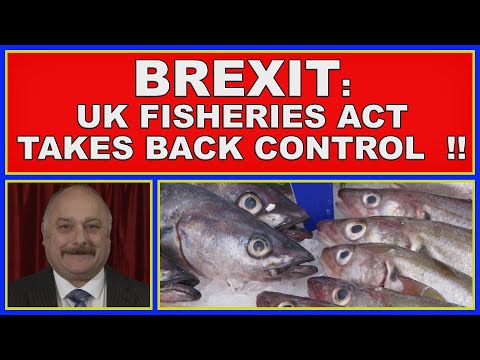
You know, one time I went fishing with my buddy down by the coast. We were having a blast—until he hooked a massive fish and shouted, “What do we do now?” Well, that’s when I wished I had brushed up on the fisheries laws!
So, here’s the thing: fishing isn’t just about waiting patiently for that tug on your line. There’s a whole legal world wrapped around it. The Fisheries Act might sound like a boring old document, but it’s super important for everyone who loves the ocean or rivers.
The information on this site is provided for general informational and educational purposes only. It does not constitute legal advice and does not create a solicitor-client or barrister-client relationship. For specific legal guidance, you should consult with a qualified solicitor or barrister, or refer to official sources such as the UK Ministry of Justice. Use of this content is at your own risk. This website and its authors assume no responsibility or liability for any loss, damage, or consequences arising from the use or interpretation of the information provided, to the fullest extent permitted under UK law.
You’ve got regulations, sustainable practices, and even penalties if you don’t follow them. This stuff affects not just anglers but also conservationists and commercial fishermen too. It’s kinda wild to think about how much our fishing habits impact the environment and local communities.
Let’s unravel this together and make sense of it all!
Understanding the 2020 Fisheries Act: A Comprehensive Guide to the Legal Framework in the UK
The Fisheries Act 2020 is a big deal in the UK. It sets out a new legal framework for managing fisheries following Brexit. If you’re someone who loves the sea or just curious about what this means for fishing in the UK, let’s break it down.
First off, the Act aims to make sure that fishing is done sustainably. This means protecting fish stocks and the marine environment. You know how sometimes people overfish? Well, this law is here to tackle that issue. It gives authorities more power to manage who can fish and where.
One of the main points of the Act is about fishing quotas. Quotas are basically limits on how much fish can be caught. The government will work with different organizations, including fishermen themselves, to set these limits. It’s like having a family dinner—you don’t want everyone piling their plates high and running out of food too soon!
Another important element is marine conservation zones. These are special areas set aside to protect marine life. Think of them as safe havens for fish and other sea creatures. Under this Act, some regions will receive extra protection to help ecosystems thrive.
The Act also deals with licensing. Fishing vessels need a license to operate legally in UK waters. This helps in keeping track of who’s fishing. Imagine if anyone could just go out there without any rules—it would be chaos! The licensing system ensures transparency and accountability.
Then there’s something called research requirements. This means that scientific studies will play a vital role in decision-making around fisheries management. For instance, if scientists find that a particular fish species is dwindling, measures might be taken quickly to protect them before it’s too late.
And let’s not forget about fishermen’s rights! The Act includes provisions aimed at ensuring fair access for local fishermen when it comes to catching fish in their waters. So basically, they get first dibs on what’s available.
Now here’s where things can get tricky—enforcement! There are penalties for breaking the rules under this law, such as hefty fines or losing your fishing license altogether. It’s meant to keep everyone playing fair and respecting sustainable practices.
In summary, the Fisheries Act 2020 redefines how fishery resources are managed in the UK—prioritizing sustainability while balancing economic needs and environmental protections. If you’ve ever spent time by the water or enjoyed seafood at dinner, this law shapes that experience directly!
So there you have it—a comprehensive look at the Fisheries Act 2020! It’s all about striking a balance between enjoying our rich marine resources today while safeguarding them for future generations as well.
Understanding the 2021 Fisheries Act: A Comprehensive Guide to the UK Legal Framework
The 2021 Fisheries Act is a significant piece of legislation in the UK that affects how we manage our fish stocks and fisheries. Simply put, it aims to promote sustainable fishing while also ensuring that the fishing industry can thrive economically. Sounds important, right? Well, it truly is!
Basically, one of the main goals of this Act is to establish a framework that helps to ensure fish populations are healthy and well-managed. It’s not just about catching fish; it’s about making sure there are enough fish left for future generations. The Act encourages a more responsible approach towards fishing practices.
Now, let’s break it down into some key points:
- Fisheries Management Plans: The Act introduces these plans which are meant to oversee fishing activities in various regions. Each plan specifies how much fish can be caught sustainably.
- Export Controls: There are now stricter controls on exporting fish products. This helps ensure that what goes out meets certain standards—a way to look after our reputation as a nation producing quality seafood.
- Local Fisheries Management: The Act grants powers to local authorities and communities, allowing them to shape how fishing is managed in their own waters. This local touch makes management more relevant.
- Sustainable Practices: It emphasizes the need for sustainable techniques in fisheries and also aims to reduce waste by improving how unwanted catches are handled.
You know, I remember chatting with a fisherman down near the coast who was really passionate about sustainability. He talked about how he’d seen changes over the years—more regulations but also more awareness among folks about protecting stocks. And honestly? That’s what this Act is aiming for at its core: balance.
There’s also a bit about improving data collection related to fish stocks and catches so that decisions can be made based on solid evidence rather than guesswork. This might sound like something only biologists care about, but trust me—it impacts everyone involved in or affected by fishing.
And if you’re wondering about enforcement—well, the Act gives authorities clearer powers to tackle illegal fishing activities. It’s serious business; poaching affects everyone from supplies to prices.
Something else worth mentioning is the focus on international waters. With Brexit shifting the way we deal with European partners regarding fishing rights, this law plays an essential role in defining those rights post-EU membership.
Overall, navigating through the Fisheries Act, it’s clear that it blends environmental responsibility with economic necessity. It aims not only at protecting biodiversity but also backs up livelihoods connected to fisheries across the UK.
In short, whether you’re a fisherman or just someone who loves seafood (who doesn’t!), this legislation has far-reaching implications for us all!
Understanding the Fisheries Act Legal Framework in the UK: A Comprehensive Guide for 2022
Understanding the Fisheries Act in the UK can seem a bit daunting at first. But really, it’s about managing our oceans and ensuring that fishing is done in a sustainable and responsible way. So, let’s unpack this together.
The Fisheries Act is a key piece of legislation that governs how fishing activities are regulated in the UK. It’s all about balancing fish stocks, protecting marine environments, and supporting coastal communities who rely on fishing for their livelihood. The act came into play in 2020 but its legal frameworks continued to evolve through 2022.
One of the main goals of this act is to make sure that fish stocks don’t get overfished. If you think about it, overfishing can lead to empty seas and failed fisheries. That would be a disaster for local fishermen trying to make ends meet and for ecosystems that thrive on balanced marine life.
So what does the Fisheries Act actually do? Well:
- Conservation Measures: The act includes rules for conservation zones where certain areas are protected from fishing activities to allow fish populations to recover.
- Licensing: Fishermen need specific licenses to operate, which helps control how many vessels are out there on the water.
- Catch Limits: There are limits on how much of certain species can be caught each year—kind of like setting a budget! This helps keep things in check.
- Enforcement: There’re measures in place to enforce these rules. So if someone fishes illegally or disregards catch limits, they can face penalties.
Now, you might be wondering how this affects local fishermen? Imagine you’re a fisherman named Dave who’s been working the waters off Cornwall for decades. You know all the best spots where fish gather. But new regulations mean you must keep track of how much you’re catching and ensure you’re not exceeding your quota. At first, that might feel frustrating—you’ve always done it your way! However, these rules help ensure there’ll still be fish tomorrow.
Another aspect worth mentioning is collaboration with stakeholders. This means that the UK government works with fishermen, environmental groups, and scientists to create policies that suit everyone—well, as much as possible anyway! It’s like having a family discussion about what’s for dinner; everyone has opinions!
The fisheries management also has an international angle since many fish swim across borders. Treaties with neighboring countries are essential; they help establish shared quotas among fishermen from different nations.
In summary? The Fisheries Act sets out vital frameworks aimed at sustaining our marine resources while also balancing socio-economic needs for communities dependent on fishing. You know those beautiful seaside towns? They thrive when we manage our ocean’s resources responsibly!
So whether it’s protecting spawning grounds or ensuring your catch supports tomorrow’s meals too; learning about these regulations benefits us all—whether we’re fishermen or just fans of seafood dinners!
Navigating the Fisheries Act in the UK can feel a bit like trying to untangle a fishing net—there’s a lot going on, and it can get knotty pretty fast. You know, when I think about it, I remember this time my mate took me sea fishing. We were excited, all set up with our rods and some snacks. But every time we thought we had a catch, it turned out to be just seaweed or some old junk! It was hilarious but frustrating too. That’s kind of how understanding the Fisheries Act can feel sometimes.
So, the Fisheries Act basically sets out the rules for managing fisheries in UK waters. Think of it as a guidebook that helps ensure sustainable fishing practices so we don’t wipe out fish stocks or damage marine ecosystems. It’s got a lot of layers—regulations about licensing, conservation measures, and even protecting certain species which are under threat.
Imagine you’re out there fishing with your family. You want to enjoy the day while also being responsible and ensuring future generations can do the same. That’s what this Act aims for! It’s all about balancing economic benefits with environmental responsibility.
You might wonder why anyone should care about this Act if they’re not fishermen or working in the industry. But let me tell you—everyone’s involved here! The health of our oceans affects everything from climate regulations to food supply chains. You follow me? If fish populations decline due to overfishing or pollution, it could hit our plates hard!
But here’s where it gets tricky: compliance is key! Fishermen must adhere strictly to quotas and regulations set out in the Act or face penalties. It’s like playing by the rules in any game; without them, chaos reigns. And let’s be honest; no one wants to deal with fines because they snagged too many cod!
Plus, there are ongoing discussions regarding amendments and changes due to Brexit impacts on fishing rights and quotas between countries like France and Spain that fish in UK waters—seriously complicated stuff!
So yeah, navigating through this legal framework can seem daunting at first glance. But once you start breaking it down—looking at how it connects with sustainability efforts and community rights—it becomes much clearer. Just like clearing that tangled fishing net after a long day’s work on the water!


