
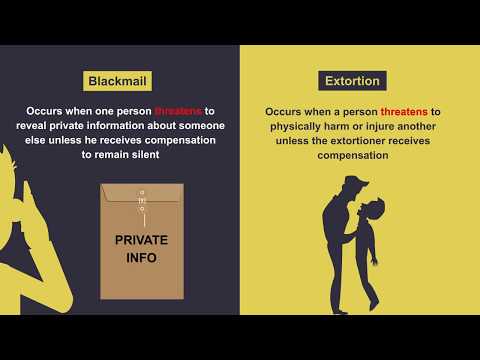
You know that feeling when someone tries to squeeze you for money? It’s like being in an intense game of poker where the stakes are way too high. Well, that’s kind of what extortion is all about. Imagine being threatened just to hand over your hard-earned cash or valuables. It’s nerve-wracking, right?
Now, before you start thinking this only happens in movies or on the streets of some big city, let’s clear that up. Extortion happens right here in the UK, and it’s more common than you might think. But don’t worry; there are laws in place to tackle this nasty business.
The information on this site is provided for general informational and educational purposes only. It does not constitute legal advice and does not create a solicitor-client or barrister-client relationship. For specific legal guidance, you should consult with a qualified solicitor or barrister, or refer to official sources such as the UK Ministry of Justice. Use of this content is at your own risk. This website and its authors assume no responsibility or liability for any loss, damage, or consequences arising from the use or interpretation of the information provided, to the fullest extent permitted under UK law.
From blackmailing your mate for a fiver to more serious threats, it’s all covered under UK law. And yeah, it can get pretty complicated, but we’re going to break it all down. So grab a cuppa, sit back, and let’s chat about how the law deals with extortion crime. You’ll want to stick around for this one!
Understanding UK Extortion Laws: Key Facts and Legal Implications
When you hear the word extortion, it might conjure up images from movies, right? You know, shady characters demanding money in exchange for silence. But here in the UK, extortion is very much a real crime and it comes with serious legal implications.
So, what exactly is extortion? Basically, it’s when someone uses threats to get something from another person. This could be money, property, or even services. The key is that these threats can be physical harm or damage to property, but they can also be non-physical. For instance, threatening to reveal embarrassing information about someone can also fall under this umbrella.
The law around extortion is found mainly in the Theft Act 1968. Section 21 of the Act specifically deals with the offence of making an unwarranted demand with menaces. So if you’re thinking about how the law treats this kind of behaviour, that’s where you’d look.
- The demand must be made with menaces.
- It has to be unwarranted; in other words, you can’t have a legitimate claim to what you’re asking for.
- If you threaten someone and they feel pressured to comply because of those threats, that’s where it crosses into criminal territory.
You see, let’s say a friend of yours has some compromising photos. If they threaten to share those unless you pay them £200, *bam*, that’s extortion. They used your fear against you—illegally!
The penalties for extortion can be severe. Depending on how serious the threat is perceived and what was demanded, penalties can range from a fine up to life imprisonment! It really depends on what happened during the incident and whether there are any aggravating factors involved such as prior criminal history or if anyone got hurt during the process.
But hold on a second! It’s not just a straightforward crime and defenders often argue that their demands were based on real grievances—like unpaid debts or contractual disputes. In such cases where one party feels wronged in business dealings or personal issues—it can become murky real quick.
If you’re ever involved in such a situation—whether you’re accused of extorting someone or being targeted yourself—it’s crucial to seek legal advice immediately! The intricacies surrounding these laws are complicated and having someone versed in legal matters will always help clear things up.
In sum, UK extortion laws are there to protect people from being bullied into submission through threats. If you’re faced with demands wrapped in intimidation tactics, don’t ignore it! Understand your rights and consider reaching out for help—because no one should live under that kind of pressure!
Effective Strategies for Navigating Extortion Situations in the UK
Dealing with extortion can be seriously tough. It’s, like, a nightmare situation when someone’s forcing you to do something against your will, maybe even using threats or intimidation. But don’t freak out! There are ways you can navigate this kind of situation in the UK.
Understand what extortion is. In simple terms, it’s when someone tries to get something from you—money, belongings, or services—through threats. This is illegal under UK law and falls under the crime of blackmail.
Stay calm. I know that sounds easier said than done. But panicking might cause you to react in a way that could make things worse. Take a deep breath. Think clearly about what’s happening and how to respond.
- Document everything. Keep records of any messages, calls, or encounters related to the extortion. If someone is sending you threatening texts or emails, save them! This evidence can be vital if you decide to report it later.
- Avoid confrontation. Engaging directly with the individual may escalate the situation. It might seem tempting to confront them and stand your ground, but that could lead to more trouble.
- Seek help from authorities. Don’t hesitate to contact the police as soon as you’re in a position to do so. They can provide guidance and take necessary action against the perpetrator. Remember: it’s better to talk about it sooner rather than later!
- Avoid paying up. Giving in might seem like an easy way out at first. But it could just encourage further demands—they’ll think they can keep getting away with it!
You know someone who experienced something like this? A friend of mine once got into a tricky situation when someone threatened him over an online deal gone wrong. Instead of panicking and paying off the bully, he reached out for help from local authorities and kept detailed notes about all their communications. In no time at all, they were able to investigate and put a stop to it.
Your safety first! If there’s any immediate threat involved or if you’re feeling unsafe at any point in this process—don’t wait! Call emergency services right away.
Lastly, educate yourself about local resources available for victims of crime—many charities offer support for people facing similar situations. You don’t have to face this alone; there are folks out there ready and willing to help.
In short, navigating through extortion situations isn’t easy but knowing your rights and having strategies can make things smoother for you down the line!
Empowering Yourself: Effective Strategies to Combat Extortion
Extortion can be a terrifying experience, and knowing how to handle it is crucial. So let’s break this down into easy bits you can actually grasp and use.
First off, what is extortion? It’s all about someone threatening you—be it with violence, damage to your property, or exposing sensitive information—unless you give them something, like money or favours. Yep, it’s illegal and seriously wrong.
Know Your Rights
Understanding your rights under the law is super important. In the UK, extortion is a crime under the Theft Act 1968. This means you have legal protection against threats aimed at getting something from you. If someone pressures you for cash or items through threats, they’re committing an offence.
Stay Calm
So here’s the thing: when faced with extortion, keeping your cool is vital. It’s easy to spiral into panic mode, but reacting emotionally isn’t going to help. Take a deep breath and think clearly about your options.
Document Everything
This might sound boring but trust me—it’s essential. Keep records of any contact with the person trying to extort you. Make notes on dates, times, what was said or done, and who was involved. You know what they say: “if it isn’t written down, it didn’t happen.” This info will be invaluable later if you decide to report them.
Don’t Engage
One of the best strategies? Don’t play into their hands by giving in to demands or trying to negotiate! Engaging further can often escalate things and lead to more problems down the line.
Talk To Someone You Trust
You don’t have to go through this alone! Confiding in a friend or family member can provide support—emotional and practical. They might even have ideas on how to deal with everything calmly.
Reach Out for Help
Seriously consider contacting authorities if you feel threatened. The police can offer guidance on what steps to take next; they’re trained in handling these situations delicately and professionally.
You could also look at reporting threats anonymously through Crime Stoppers—this way you don’t have to disclose your identity right away but still take action against the crime.
Seek Professional Support
Sometimes talking things out with professionals can make all the difference; think about reaching out to organisations that deal specifically with these issues or are trained in crisis support.
Then there are solicitors who understand criminal law well—they can explain your options in detail regarding legal protections available for victims of extortion.
Know That It’s Not Your Fault
Lastly—and this is really important—remember that facing extortion isn’t something anyone should feel ashamed about; you’re not alone! It happens more often than people realise. Recognising that it’s not your fault makes all the difference going forward as you seek solutions and support.
By empowering yourself with knowledge about your rights and options while seeking help whenever necessary—you’re taking command of a challenging situation!
Extortion is a pretty serious issue, and it’s one that affects people more than we might realize. You know, it’s not just some distant crime you read about in the papers. It can happen to anyone. I remember a friend of mine once told me how someone threatened to leak personal information unless they paid up. It was nerve-wracking for them, feeling so vulnerable and scared.
In the UK, tackling extortion falls under several laws. The law defines extortion as obtaining property or money through coercion or threats. That means if someone is putting pressure on you to pay them an amount of money—or even trying to blackmail you with personal information—that’s considered extortion.
The penalties for extortion can be quite severe. If convicted, the person could face imprisonment for up to 14 years! It’s taken seriously because it touches on issues of personal safety and integrity. And that’s crucial, right? No one should feel cornered or unsafe in their own lives.
But it’s not just about the laws on paper; there’s also a practical side to all this. Police and legal systems want to ensure victims can come forward without shame or fear of being judged. When my friend went through their ordeal, the support from local authorities was essential in helping them feel secure enough to report what happened.
You know, awareness is key here too. A lot of people may not even recognize when they’re being extorted or what their rights are in those situations. It’s important for folks to educate themselves about these matters so they don’t feel powerless if they ever find themselves in a similar spot.
Sure, laws exist and people get prosecuted, but there still needs to be more done in creating supportive environments where victims can speak out freely without feeling intimidated or ashamed. After all, nobody deserves to go through that kind of stress over something that isn’t their fault at all!
In summary, addressing extortion requires a mix of strong legal measures and community awareness—because at the end of the day, it’s really about protecting individuals and creating safe spaces for everyone.


