
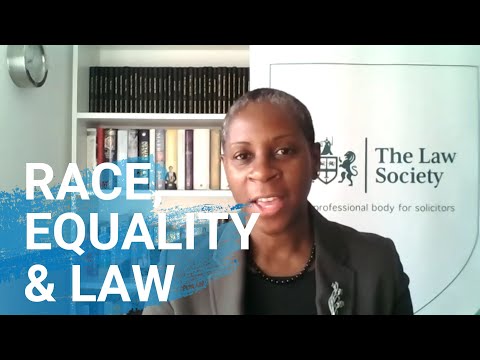
Did you know that when the Equality Act kicked in back in 2010, it was like throwing a giant legal blanket over loads of discrimination issues? Imagine that!
So, picture this: You’re at a party, and someone accidentally spills their drink all over your favorite shirt. Annoying, right? But what if that spill was something deeper—like unfair treatment because of your race? Ugh.
The information on this site is provided for general informational and educational purposes only. It does not constitute legal advice and does not create a solicitor-client or barrister-client relationship. For specific legal guidance, you should consult with a qualified solicitor or barrister, or refer to official sources such as the UK Ministry of Justice. Use of this content is at your own risk. This website and its authors assume no responsibility or liability for any loss, damage, or consequences arising from the use or interpretation of the information provided, to the fullest extent permitted under UK law.
That’s where the Equality Act comes into play. It’s got your back when it comes to protecting against race discrimination. You see, the law isn’t just about big fancy terms; it’s supposed to help real people, like you and me.
This is about understanding how race fits into a whole lot of legal chat in the UK. What does it mean for everyday life? Well, buckle up! We’re diving into how the law tries to keep things fair and square for everyone, no matter who you are or where you’re from.
Exploring Race and the Equality Act: Legal Perspectives in the UK 2022
So, you know, when we chat about race and the law in the UK, it’s pretty clear that the Equality Act 2010 is a big deal. This law combines various earlier laws into one. Essentially, it’s designed to protect people from discrimination based on protected characteristics. Among those is race, which includes colour, nationality, ethnic origin, and more.
The Equality Act isn’t just some legal mumbo jumbo; it has real implications for everyday life. For instance, if you’re applying for jobs or trying to rent an apartment, it’s illegal for someone to treat you differently just because of your race. That means no dodgy practices like refusing to hire someone because of their background.
You might be thinking about how this plays out in real life. Well, let’s say you go for an interview and there’s a person there who happens to be from a different ethnicity and they get hired over you even though you both had similar qualifications. If you felt that decision was based on your race rather than your skills, that could be grounds for a discrimination claim.
The law covers a wide range of situations. It includes things like direct discrimination, where someone treats another person less favourably because of their race. Then there’s indirect discrimination, which happens when a policy or practice puts people of a certain race at a disadvantage—even if it seems neutral on the surface.
- Harassment: This is any unwanted behaviour related to race that creates an intimidating environment.
- Victimisation: If someone supports someone else who complains about discrimination and suffers as a result, that’s victimisation.
- Positive action: The Act also allows organisations to take certain measures to help underrepresented groups.
You might also wonder how this works in places like schools or hospitals. Well, they too have obligations under the Act not to discriminate against students or patients based on their race. This means teaching materials should reflect diverse backgrounds and staff training should include awareness about racial issues.
An important part of all this is knowing your rights—and it can be quite emotional when people realize they’ve been treated unfairly. I remember talking with a friend who shared her experience of being turned away from several flats because she was from an ethnic minority background—heartbreaking stuff! Thankfully she stood her ground and took steps under the law to challenge this treatment.
If someone feels discriminated against due to their race under the Equality Act, they can take action by contacting organizations such as the Crown Prosecution Service (CPS), which handles hate crimes related to race as well as employment tribunals where claims around workplace issues are settled.
This way of addressing racism through legal channels doesn’t solve everything overnight but provides tools for individuals who want justice or simply want others treated fairly regardless of their background.
The bottom line is that while laws like the Equality Act strive for fairness and equality in society—it requires everyone’s active participation to make sure it’s truly effective! Feeling empowered? Go out there and learn more about how these laws impact everyday lives!
Exploring Race and the Equality Act: Legal Perspectives in the UK 2021
The Equality Act 2010 is a cornerstone of anti-discrimination law in the UK. It aims to protect individuals from unfair treatment based on certain characteristics, including race. This means that your race, ethnicity, or national origin can’t be used against you in various aspects of life, like employment, education, and housing.
Now, let’s break this down a bit. The Act doesn’t just say “no discrimination.” It also sets out specific protections. For instance, it prohibits direct discrimination—where someone is treated less favorably because of their race. Can you imagine applying for a job and not getting it just because of your background? That’s not okay!
On top of that, there’s something called indirect discrimination. This happens when there’s a rule or policy that applies to everyone but particularly disadvantages people of a certain race. Let’s say a company has an English-speaking requirement that excludes non-native speakers. If it seems neutral on the surface but impacts those with different backgrounds disproportionately, it might fall under this category.
You’re probably wondering how this plays out in real life. Well, here’s a thought: There was this case where a woman named Ms. L had applied for numerous jobs but faced constant rejection despite her qualifications. After digging deeper, she found out the company had mostly hired staff from one specific ethnic background—kind of alarming! She brought her case to an employment tribunal and argued racial discrimination—and won.
The Equality Act also recognizes harassment, which can be quite tricky sometimes. Harassment occurs when someone experiences unwanted behavior linked to their race that creates an intimidating environment for them. Imagine being constantly subjected to racist jokes at work; that kind of atmosphere is simply unhealthy and totally uncalled for.
A key aspect people should know is about reasonable adjustments. If an employer knows that some practices are putting employees from certain racial backgrounds at a disadvantage, they need to step up! For example, if there are training sessions happening only during certain hours that don’t accommodate workers with family responsibilities due to cultural expectations—that’s something employers need to look into.
You might think all this sounds pretty straightforward—but navigating these laws isn’t always easy in practice! Sometimes people don’t report issues because they fear backlash or think nothing will change anyway. But knowing your rights under the Equality Act gives you power—you’ve got options!
If you believe you’ve faced racial discrimination or harassment at work or elsewhere, you can raise the issue informally first by talking directly with someone like your HR department or manager. They should ideally take you seriously! Should that route fail? You can lodge a formal complaint through grievance procedures or even take legal action if necessary.
In summary, the Equality Act 2010 provides essential protection against race-related discrimination in the UK. Understanding what these protections mean can help promote fairness and equality while giving individuals tools needed to tackle unjust treatment if they face it.
Understanding the Equality Act 2020: Key Changes and Implications for Businesses
The Equality Act 2020 was a significant step for the UK in enhancing and clarifying the legal framework surrounding discrimination. This Act aims to protect individuals from unfair treatment in various settings, especially in the workplace. But let’s break down what this means, particularly focusing on race.
First off, you should know that race discrimination happens when someone is treated unfairly because of their race, ethnicity, or nationality. Under the Equality Act 2020, businesses have a clear responsibility to prevent such discrimination.
- Protected Characteristics: Race is one of several protected characteristics under this law. This means you can’t be discriminated against based on your race at work or when accessing services.
- Direct and Indirect Discrimination: Direct discrimination occurs when someone is treated less favorably than another person due to their race. Indirect discrimination happens when a business puts in place a policy that applies to everyone but disadvantages people of a particular race.
- Harassment: Harassment related to race is also covered. If someone is bullied or harassed because of their racial background, it’s legally actionable.
- Victimisation: You’re protected from victimisation if you complain about racial discrimination or support someone else who complains. No one should face negative consequences for standing up for their rights.
Now, what’s new or different with the 2020 updates? Well, while many of the principles remained similar to previous legislation like the Equality Act 2010, this latest act tightened certain definitions and clarified obligations.
For example, businesses need to ensure they’re actively assessing how their practices may affect people from different racial backgrounds. It’s not enough just not to discriminate; they need to show they are promoting equality actively.
Let me tell you a quick story – think about Sarah who applied for a job at a big tech company. Despite her excellent qualifications and experience, she notices that most employees at her interview were from similar backgrounds. She wondered if her ethnic background played a role in their decision-making process!
Under the new regulations, companies must now have robust diversity strategies in place to avoid such situations and encourage an inclusive environment where people like Sarah can thrive without fear of bias.
So what does this mean practically for businesses? They are expected to:
- Create Policies: Companies need clear anti-discrimination policies that are communicated throughout their organization.
- Mediation and Training: Training staff on equality issues can help foster understanding and reduce incidents of discrimination.
- Audit Practices: Regular assessments should be made regarding recruitment processes and workplace culture to ensure compliance with these legal responsibilities.
The implications are huge! Businesses can face legal action if they fail these responsibilities—leading not only to financial penalties but also loss of reputation.
In summary, understanding the Equality Act 2020 helps you see how seriously issues of race discrimination are taken in the UK today. For employers, it’s not just about avoiding lawsuits; it’s also about creating fair workplaces where everyone can succeed regardless of their background—something we all should strive for!
You know, race is such a huge part of our society. It shapes so many experiences, and it’s something we all interact with, whether we’re aware of it or not. The Equality Act 2010 in the UK is designed to promote fairness and prevent discrimination based on various characteristics, including race. It’s pretty crucial in ensuring that people are treated equally, at work, school, or even when accessing services.
I remember a friend of mine who faced unfair treatment at work because of his ethnicity. He was always passed over for promotions, even though he was more qualified than his colleagues. It was disheartening to see him go through that. When he finally learned about the Equality Act and its provisions regarding direct and indirect discrimination, he felt like he had a voice—a way to stand up for himself.
So what happens if someone feels like they’ve been discriminated against? Well, the thing is you can bring a claim against the offending party at an employment tribunal or other relevant bodies. The law states that you can’t be treated less favourably because of your race; that includes colour, nationality, or ethnic origin.
But it’s not just about claiming rights; it also involves understanding what constitutes discrimination. Direct discrimination is pretty straightforward—like when someone treats you worse than others because of your race. Indirect discrimination can be trickier; it occurs when a policy or practice puts certain groups at a disadvantage.
It’s essential for organizations to have robust policies in place to address these issues proactively. Training sessions on diversity and inclusion can really help create an environment where everyone feels welcome—like my friend didn’t have back then.
But there’s still more work to do! Conversations about race and equality often face resistance; some people feel uncomfortable discussing such sensitive topics. However, these discussions are necessary if we want genuine progress.
The Equality Act serves as a solid foundation for combating racism and promoting equality, but like anything else in life—it needs our effort to make it actually effective!

