
So, imagine this: you just landed your dream job, right? You walk into the office feeling like a rockstar, but then—bam! The employer hands you this hefty document called an employment agreement. What even is that?
Well, don’t sweat it! It’s basically a fancy way of saying, “Here’s what you can expect from us, and here’s what we expect from you.” Pretty straightforward, huh?
The information on this site is provided for general informational and educational purposes only. It does not constitute legal advice and does not create a solicitor-client or barrister-client relationship. For specific legal guidance, you should consult with a qualified solicitor or barrister, or refer to official sources such as the UK Ministry of Justice. Use of this content is at your own risk. This website and its authors assume no responsibility or liability for any loss, damage, or consequences arising from the use or interpretation of the information provided, to the fullest extent permitted under UK law.
In the UK, these agreements are super important. They outline everything from your pay to those pesky holiday days. You know how we all love those little breaks!
So grab a cuppa and let’s chat about what a sample employment agreement might look like in the legal world of the UK. It might just save you from some awkward conversations down the line!
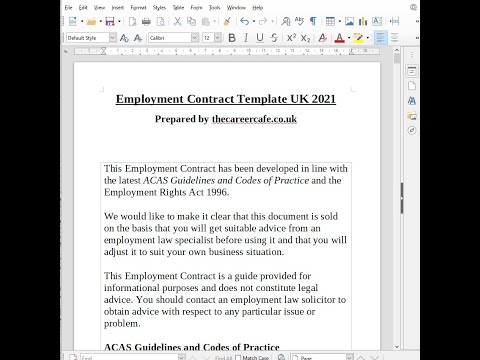
Download a Free Employment Contract Sample for Easy Customization
So, you’re looking to download a free employment contract sample, huh? Well, that’s actually pretty smart! An employment contract is super important for both you and your employer. It lays out the ground rules for your job, making sure everyone is on the same page. Let’s break this down in a way that makes sense.
Firstly, what’s an employment contract? Basically, it’s a legal agreement between you and your employer. It details your role, pay, hours, responsibilities—you name it. Having one helps prevent misunderstandings later on.
Now, when it comes to downloading a *sample* employment contract for your needs in the UK, you’ll find loads of options online. But jot this down: not all samples are created equal! Here are a few key points to keep in mind:
- Legal Compliance: Make sure the sample complies with UK law. Employment rights in the UK are pretty solid, so anything you use should reflect that.
- Customization: The beauty of a sample is that it’s customizable! You can change details like job title and salary to fit your situation.
- Common Clauses: Look for essential clauses like probation periods, notice periods, and confidentiality agreements. These help clarify expectations.
An example? Imagine you’ve just landed your dream job at a small marketing firm. The sample contract you downloaded should ideally include things like:
- Your job title: “Marketing Executive.”
- Your salary: “£30,000 per annum.”
- Hours of work: “9 am to 5 pm with an hour for lunch.”
So when you’re tweaking the document to fit your circumstances, pay attention to areas that matter most—like how much holiday time you’re entitled to or what happens if you want to leave the job.
Oh! And don’t forget about verbal agreements. Sometimes employers might tell you things that aren’t in writing. If it’s not on paper, it can be hard to enforce later on. So always try to get everything documented!
Before finalizing anything or signing on the dotted line, consider running it by someone who knows their stuff—like a legal advisor or HR person—to avoid any nasty surprises later.
In summary? Using a free employment contract sample as a starting point is totally okay; just make sure it’s tailored specifically for your situation in line with UK law. That way you’ll be set up for success from day one!
Downloadable Free Employment Contract Template: Customize Your Agreement Easily
Finding a suitable employment contract template can be a lifesaver, especially if you’re starting a new job or hiring someone for your own business. But what exactly do you need to consider when looking for a downloadable free employment contract template in the UK?
Firstly, it’s important to understand that an employment contract is a legally binding agreement between you and your employer. It outlines the terms and conditions of your job. So, having something that’s clear and well-structured is essential.
You might wonder what should be included in such a template. Here’s a few critical elements:
Now, let me share something personal to illustrate this. I once had a friend who started a new job but didn’t get anything in writing. Things seemed fine until there was confusion about his hours and pay rates after just two weeks! A simple contract could’ve avoided that headache.
When looking for these templates online, ensure they are from reputable sources. Free doesn’t mean you should compromise on quality! You know? There are sites where you can customize them easily, allowing you to make changes that suit your specific needs.
Also, while it’s tempting to just download any template and fill it out with your details, take some time to review it carefully. Make sure everything makes sense and matches your understanding with your employer.
And here’s another thing: once you’ve got your template sorted out and customized, it’s wise to have someone else look it over if possible—maybe even consider asking for legal advice if you’re not sure about anything. Better safe than sorry!
So yeah, having an easy-to-customize employment contract can save you loads of stress down the line. Just keep those key elements in mind while ensuring everything is clear as day!
Comprehensive Temporary Employment Contract Template for Flexible Workforce Management
Employers often face challenges managing a flexible workforce, and that’s where **temporary employment contracts** step in. These contracts can be quite handy for ensuring both parties understand their rights and obligations.
So, what’s a **temporary employment contract** all about? Basically, it’s an agreement between an employer and an employee who is working on a temporary basis. This could be for a specific project, seasonal work, or to fill in during someone’s absence.
One crucial thing to highlight is that these contracts must comply with UK employment law. If you don’t get the details right, you might find yourself in a bit of trouble later on. Here are some essential elements that should be included:
It’s not just about legalities; a well-structured contract helps build trust between you and your employee. It’s like laying down some ground rules for everyone involved.
Let’s not forget about other important stuff like **holiday entitlement**, which is usually pro-rata based on their working hours. Make sure to explain how that works because employees deserve clarity on this.
Now let me spin you a little story: Imagine you’re running a small café and suddenly you’ve got more customers than usual because of summer events happening nearby. You need help but don’t want to commit to hiring someone full-time just yet; this is where temporary contracts are lifesavers! Hire someone for two months while things are busy—and at the end of it all, both sides know exactly where they stand.
Finally, when drafting your temporary employment contract, ensure it reflects your company culture while staying legal—keep it friendly but professional! Legal jargon isn’t necessary; simple language works wonders.
In summary, crafting a comprehensive temporary employment contract isn’t just about ticking boxes; it’s about creating clarity and fostering positive relationships in your workforce. A little effort upfront goes a long way toward smooth sailing later on!
When it comes to starting a job, whether you’re an employer or an employee, getting everything sorted from the get-go is crucial. You know that moment when you land your dream job? There’s this buzz of excitement, and just as quickly, a cloud of uncertainty about what’s actually agreed upon. That’s where an employment agreement steps in.
An employment agreement is essentially the playbook for both parties. It spells out the rules, rights, and responsibilities. Imagine if you joined a football team but never got a copy of the team’s playbook; it’d be pretty chaotic on the field, right? Likewise, having a solid employment contract sets clear expectations—like job title, salary, working hours, holidays… all that important stuff!
But here’s something I learned along the way: not all contracts are created equal. Some can be as simple as one page with just a few bullet points outlining your role and pay. Others might be detailed legal documents that read like they were written in another language entirely! And if you’re not careful? Well, misunderstandings can arise later on.
Here’s a little story for you: I once knew someone who started working at this small firm and was thrilled to get the job offer. They skimped on reading through their contract because it looked straightforward enough. But then came payday… and they noticed deductions they hadn’t anticipated! Turns out there were clauses about probation periods and bonuses buried in all that fine print which they didn’t catch at first glance. It caused quite a stir until they got it sorted out.
So when jumping into an employment agreement, take your time with it! Look for details like notice periods—how much notice do either of you need to give if things don’t work out? Are there confidentiality clauses? And what about sick leave or overtime pay?
In the UK legal scene specifically, having a tailored employment agreement is even more essential because laws and practices can evolve faster than you might think! It ensures compliance with current regulations while also protecting everyone’s interests.
At the end of the day, whether you’re drafting one up or signing on the dotted line yourself, remember it’s more than just paperwork—it’s about safeguarding your rights and ensuring everyone starts off on the right foot in their professional journey together!


