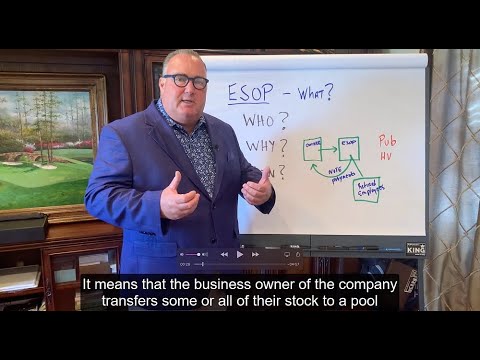
You know that moment when you just find out your coworker’s been quietly racking up shares in the company? It’s like, “Wait, how did I not know about this?” Well, that’s the sneaky world of Employee Stock Ownership Plans, or ESOPs for short.
Picture this: you’re at a pub with friends, and one of them casually mentions they’ve got a piece of the company pie. Suddenly, everyone’s buzzing about stocks like they’re football teams. Who knew work could feel like a game of Monopoly sometimes?
The information on this site is provided for general informational and educational purposes only. It does not constitute legal advice and does not create a solicitor-client or barrister-client relationship. For specific legal guidance, you should consult with a qualified solicitor or barrister, or refer to official sources such as the UK Ministry of Justice. Use of this content is at your own risk. This website and its authors assume no responsibility or liability for any loss, damage, or consequences arising from the use or interpretation of the information provided, to the fullest extent permitted under UK law.
But seriously, ESOPs can be pretty cool—they let employees have a stake in their workplace. It makes everyone feel more involved! However, before you get too excited about becoming a mini-CEO of your company, there are some legal bits to consider.
In the UK, navigating these plans isn’t just about excitement; it comes with its own set of rules and regulations. So grab a pint or your favorite beverage and let’s talk through how this works and what you need to know to keep things on the right track!
Understanding ESOP Tax Regulations in the UK: A Comprehensive Guide
Understanding ESOP Tax Regulations in the UK can seem complex, but it really just breaks down into a few key elements. Let’s unravel this topic together, shall we?
Employee Stock Ownership Plans (ESOPs) are a way for companies to offer their employees shares in the company. It’s like giving them a piece of the pie! This can be a huge motivation for employees, as they feel more invested in the success of the business. But with that ownership comes some tax rules you’ve got to know about.
First off, let’s talk about tax benefits. One of the perks of setting up an ESOP in the UK is that it often qualifies for certain tax advantages. When shares are acquired through an ESOP, employees might not have to pay Income Tax or National Insurance on the shares initially. That sounds pretty good, right?
Now, there are conditions though:
Moving on to Capital Gains Tax, this is where things get a bit tricky. If an employee decides to sell their shares after they’ve held onto them for that minimum period, they might have to pay Capital Gains Tax on any profit made. The amount will depend on how much their shares have increased in value. So, if you bought shares at £10 and sold them at £20, you’d pay tax on that £10 gain.
Also, there’s something called CGT relief. If your company’s ESOP has certain characteristics—like being designed primarily for employee benefit—you may qualify for relief from Capital Gains Tax when you sell your stake. That means keeping more of your hard-earned money!
It’s also important to note that dividends, which are payments made to shareholders from profits, can also come into play here. If an employee receives dividends from their shares while they’re part of the ESOP, those payments could be subject to Income Tax depending on how much they earn overall.
Now let’s think about why all this matters beyond just numbers and regulations. Imagine working at a company where every time sales go up or customers rave about your product, you see those efforts reflected in your paycheck—in the form of share value increasing! That connection can really create a strong workplace culture.
In wrapping up this discussion—just remember: setting up an ESOP has its perks but isn’t without its considerations around taxation and compliance with regulations from HMRC! Getting it right means understanding these nuances so everyone benefits fairly and equally.
Navigating through these regulations can get overwhelming sometimes; but when done right, it really makes for a win-win situation all around!
Understanding ESOPs in the UK: A Comprehensive Guide to Employee Ownership Plans
Employee Stock Ownership Plans, or ESOPs, in the UK are a way for employees to own shares in their company. It sounds complex, but really it’s about giving workers a stake in the business, which can lead to more engagement. So what does this really mean for you?
First off, what exactly is an ESOP? Simply put, it’s a program that provides your employees with an ownership interest in the company. This can be done through various means like direct share ownership, stock options, or share-based awards.
Now, why would companies want to set this up? Well, organizations often think that having workers who are also shareholders will motivate them to work harder and smarter. When you’re invested in something—literally—you might care more about its success. This can create a sense of loyalty and teamwork. It’s like that moment when you help get your mate’s car out of the mud because it’s not just their car—it’s kind of yours too.
But let’s talk legal stuff because understanding the regulations is key. The UK doesn’t have a specific law just for ESOPs; instead, they fall under general company law and tax regulations. You’ll need solid advice because you want to get things right from the start.
One important point is tax advantages. Companies can get significant tax relief if they offer shares through an approved plan called an Employee Share Scheme (ESS). There are different types of plans like Share Incentive Plans (SIPs) or Company Share Option Plans (CSOPs), each with their own rules and benefits.
When structuring these plans, you should consider:
- Eligibility: Who gets to participate? Is it all employees or just certain levels?
- Share valuation: How much will shares be worth? Getting this right is crucial.
- Vesting period: Are there conditions before employees fully own their shares? It could be years.
- Exit strategy: What happens if an employee leaves? Knowing the rules for when and how they can sell off their shares matters.
You should also make sure you’re following employment law while setting this up. Employees need clear communication about what’s happening with their potential ownership stakes. Imagine being offered part of something but not knowing how it works—confusing, right? Clarity builds trust.
And then there’s integration within your existing employee benefits structure. An ESOP shouldn’t feel like a random perk; it needs to mesh well with other benefits so employees see everything as part of their total compensation package.
Here’s where things can get emotional too! Picture someone who has worked hard at a small firm for years suddenly finding out they’ll now own part of it. That connection—it’s powerful! It turns colleagues into partners in common goals which can really change workplace culture for the better.
Finally, make sure you get legal help along the way! Setting up an ESOP involves drafting various documents and compliance reports—you’ll want those boxes checked so everything runs smoothly down the line.
So yeah, understanding ESOPs in the UK means grasping both the exciting possibilities of employee ownership and navigating through legal waters carefully. Just remember: it’s all about putting people first while ensuring everything ticks along smoothly on paper too!
Understanding ESOPs and HMRC Regulations: A Comprehensive Guide
Understanding Employee Stock Ownership Plans (ESOPs) and HMRC Regulations can seem a bit daunting, but let’s break it down into manageable bits. First off, what exactly is an ESOP? Well, it’s a way for employees to own shares in the company they work for. In simple terms, you’re not just a worker; you’re also part-owner.
Now, while ESOPs can be a great idea for many businesses, there are some important legal considerations to keep in mind—especially when dealing with HMRC (that’s Her Majesty’s Revenue and Customs). They have specific regulations on how these plans should be set up and administered.
Types of ESOPs
There are different types of employee ownership schemes. Some popular ones include:
So, seriously, before jumping into establishing an ESOP, understanding which type suits your company best is key.
Now let’s talk tax implications because that’s where HMRC comes into play. If you do things right with your ESOP structure, there can be **tax advantages** for both the company and employees. For instance:
Imagine working at a startup where everyone was excited about getting shares in the company—talk about motivation! But like all things nice in life, there are rules. If you don’t follow HMRC’s guidelines carefully when setting up your ESOP, those tax benefits might just disappear.
Key HMRC Requirements
Here are some important requirements from HMRC to keep in mind:
And don’t forget: all this needs proper documentation. You’ll want everything laid out so everyone understands their rights and obligations clearly.
Oh! And remember that it’s essential to comply with employment laws. The way the ESOP interacts with existing contracts and employee rights needs careful thought too. You wouldn’t want any unintentional conflicts appearing later down the road!
In short, setting up an Employee Stock Ownership Plan isn’t rocket science but does require thoughtful planning and compliance with regulations set out by HMRC. It’s like having a cake; you gotta know your ingredients well if you want it to taste good! So take your time navigating through these waters; involve legal experts if needed!
It can really boost morale among staff seeing themselves as part of something bigger which could potentially lead to better job satisfaction and productivity—you see? It’s like building a little community at work while also enjoying some financial perks down the line!
Alright, so let’s chat about Employee Stock Ownership Plans, or ESOPs, and what’s buzzing around them in the UK. You know how sometimes we hear about companies letting their workers own a piece of the pie? That’s basically what ESOPs are—giving employees a stake in the company. But, like anything that’s got a bit of complexity to it, there are legal considerations that come into play.
Picture this: you’re working at a small tech startup. It’s got that cozy vibe; everyone’s pulling together to create something great. The boss comes to you one day with this exciting news—everyone can buy stock options in the company! It’s thrilling, right? But then you start to think about it: What does it really mean for you as an employee? Are there rules and obligations tied into that? Well, yes!
First off, it’s important to get a grasp on what ESOPs entail from a legal standpoint. In the UK, these plans can be structured in various ways and are often influenced by tax laws. For example, if certain conditions are met under tax relief schemes like Share Incentive Plans (SIPs), employees might enjoy some nifty tax benefits. That’s something worth considering when weighing whether or not to jump in.
But hold up—a bit more on the legal side of things. There are regulations surrounding how these shares can be offered. Companies need to ensure transparency when communicating their plans; they can’t just throw out fluffy promises without backing them up legally. It’s all about making sure everyone knows what they’re getting into—nobody wants nasty surprises down the line!
Something I always find interesting is how these plans can really foster a sense of connection between employees and the company itself. When folks own shares, they might feel more invested—not just financially but emotionally too. That little piece of ownership adds extra motivation because now it feels personal; you want your company to thrive because your success is linked.
Of course, while all this sounds pretty rosy, there are some risks too. Like any investment, share prices can tumble as easily as they rise! Employees may end up holding onto shares that lose value over time if things go south for the business.
At its core, an ESOP isn’t just some legal arrangement; it represents a trust that a company has in its employees—and vice versa! So before leaping at those stock options your boss is offering with gusto, take a moment to soak in those legal aspects and understand what it all means for you personally.
In the end, navigating through ESOPs involves balancing optimism with caution—a bit like walking on a tightrope! And remember: knowing your rights and obligations isn’t just smart; it’s empowering.