
You know that moment when you finally find the perfect flat, and it feels like you’ve won the jackpot? You’re all set to move in, but wait—there’s that pesky lease agreement waiting for you.
Honestly, reading through those documents can feel like decoding an ancient language. Seriously, sometimes it’s a total head-scratcher! But don’t sweat it. Drafting a residential lease agreement in the UK doesn’t have to be a nightmare.
The information on this site is provided for general informational and educational purposes only. It does not constitute legal advice and does not create a solicitor-client or barrister-client relationship. For specific legal guidance, you should consult with a qualified solicitor or barrister, or refer to official sources such as the UK Ministry of Justice. Use of this content is at your own risk. This website and its authors assume no responsibility or liability for any loss, damage, or consequences arising from the use or interpretation of the information provided, to the fullest extent permitted under UK law.
Imagine signing a paper that explains all your rights and responsibilities, right? It’s like a game plan for living together! So let’s break it down and make this process as smooth as possible for you.
Can You Draft Your Own Tenancy Agreement in the UK? A Comprehensive Guide
So, you’re thinking about drafting your own tenancy agreement in the UK? That’s a pretty common question. A lot of people want to save some money and do things themselves. It’s totally possible, but there are definitely some things you should keep in mind.
First off, let’s get one thing clear: you can draft your own tenancy agreement. There’s no law saying you can’t. However, it does need to be legally sound and cover all the necessary bases, or it might not be worth the paper it’s printed on.
When you’re putting together your lease, here are some key points you should consider:
Now, let’s talk about those tricky little legal bits. You need to make sure that your contract complies with UK law. For instance:
If you’re renting out a furnished property, you must provide an Energy Performance Certificate (EPC) along with how this affects both parties’ rights.
And then there’s something called the “Right to Rent,” which means landlords need to check that tenants have the legal right to stay in the UK.
Oh, and please don’t forget about important safety regulations—like making sure gas appliances are safe and that smoke alarms are fitted properly.
Here’s an interesting tidbit: a friend of mine thought they could whip up an agreement using templates they found online. It seemed fine at first until they found out their contract didn’t meet certain legal requirements! They ended up in quite a pickle dealing with disputes later on—so be careful!
If you’re feeling unsure at any stage about what to include or how things work legally—or even if you’ve just got general questions—it might not hurt to consult with someone who knows their stuff or use a reputable template designed by professionals. It can save you from future headaches!
And remember: while DIY is great for many things—sometimes law just needs that special touch only an expert can provide. So yes, go ahead and give it a shot if you’re feeling confident! Just make sure you’re informed every step of the way.
Step-by-Step Guide to Creating a Rental Agreement in the UK
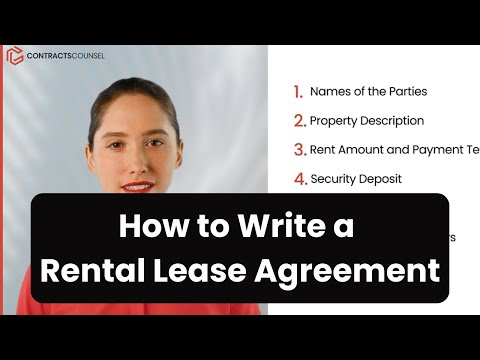
Creating a rental agreement, or a residential lease agreement, in the UK might seem like a daunting task at first, but it can be pretty straightforward. Let’s break it down step by step.
1. Identify the parties involved.
You need to start by clearly naming the landlord and tenant. This is crucial because you want to avoid any confusion later on. Make sure to include full names and addresses.
2. Describe the property.
Next up, detail the property being rented. This includes the full address and any specifics about the type of dwelling—like whether it’s a flat or a house, how many bedrooms it has, etc. The more details, the better.
3. Set the duration of the tenancy.
It’s important to specify how long the tenancy will last—be it six months, a year, or even longer. This helps both parties know exactly what they’re getting into.
4. Outline rent details.
Here’s where you’ll state how much rent is due and when it should be paid (like monthly). Also mention acceptable payment methods—whether bank transfers are alright or if cash is preferred.
5. Discuss deposits.
A security deposit is usually necessary to cover any damages or unpaid rent at the end of the tenancy. Document how much this will be and what conditions apply for its return.
6. Include responsibilities for repairs and maintenance.
Who’s responsible for fixing what? You should clarify this right upfront to avoid disputes later on. For example, landlords typically cover major repairs while tenants are responsible for minor maintenance.
7. Specify rules around notice periods.
What happens if one party wants to end the agreement? Clearly lay out how much notice needs to be given before either side can terminate the lease.
8. Add any specific terms or conditions.
This might include anything from pet policies to rules about subletting or smoking in common areas—whatever makes sense for your situation.
9. Signatures are key!
Once everyone agrees on all terms, both parties must sign and date the lease agreement to make it official! It’s like sealing a deal with a handshake but way more formal.
Here’s an anecdote: I remember helping my friend draft his first rental agreement when he moved into a new flat in London. He was super excited but also nervous about forgetting something important like mentioning that he wanted no pets allowed—all because his last roommate had brought home an unexpected puppy! It was really all about making sure they had clear expectations laid out on paper.
In case you’re wondering if you need legal help with this process: well, while it’s not strictly necessary to hire an expert for drafting your rental agreement, having someone review it could save you headaches down the road—especially if anything gets tricky!
So there you have it—a simple way to create your rental agreement in the UK!
Key Factors That Can Render a Tenancy Agreement Invalid in the UK
You might think a tenancy agreement is pretty straightforward, right? Well, not always! Sometimes, there are those sneaky little factors that can make a tenancy agreement invalid. Let’s break it down.
Firstly, you have to keep in mind that the agreement needs to be in writing. If it’s just verbal, well, good luck proving what was said later on. Imagine agreeing to all sorts of things over a pint and then the next day there’s confusion about who’s responsible for repairs.
Another important point is that the landlord must have the legal right to let the property. If they don’t own it or aren’t legally allowed to rent it out, then that agreement you signed? Yeah, it’s not worth the paper it’s written on.
Then you’ve got contracts that might be deemed unfair. If some terms are way too one-sided or if they impose unreasonable obligations on tenants, courts might just throw that contract out! Think about being forced to pay for things like maintenance when it’s clearly on the landlord’s shoulders.
Now let’s talk about essential information. A tenancy agreement must include key details like rent amount and payment dates. If this stuff is missing or vague, well then it could raise some serious issues down the line. It’s like saying “I’ll pay you sometime” but without specifics—who knows when or if you’ll get paid?
Also, ever heard of the Housing Act 1988? It sets certain rules when it comes to assured shorthold tenancies. If your landlord fails to provide a valid address or doesn’t protect your deposit in an approved scheme within 30 days—boom! That tenancy could be considered invalid.
And here’s something really emotional—you can have an agreement that’s been made under duress if someone has pressured you into signing without giving you time or space to think. I mean imagine being pushed into signing something while your back’s against the wall; that’s just wrong!
Lastly, there’s this whole thing about misrepresentation. If a landlord makes false statements about a property (like its condition or amenities), and you’re lured into signing based on those lies? Yeah, not cool—and definitely grounds for invalidating an agreement.
So basically, keep all these factors in mind when looking at a tenancy agreement. Being aware of them can save you from future headaches and troubles. After all, no one wants to end up stuck in an invalid situation!
So, when we talk about drafting a residential lease agreement in the UK, it’s kind of like laying down the ground rules for a really important relationship—one that involves both landlords and tenants. You know, it’s not just a piece of paper. It’s more like the foundation of trust and responsibility.
Imagine you’ve just found your dream flat; it’s cozy and has that lovely view you’ve always wanted. You’re thrilled! But then comes the paperwork. The lease agreement is what sets everything in stone, protecting both you and the landlord. It’s vital because it clearly outlines the obligations each party has. If you’re renting, you want to know what your rights are regarding repairs or deposits. You should feel secure knowing exactly what you’ve signed up for.
And here’s where it can get tricky—if either party doesn’t understand something in that agreement, it can lead to confusion or conflict later on. Like this one time, my friend signed a lease without fully reading through it (we’ve all done that at some point, right?). There were clauses in there about subletting and notice periods that didn’t align with what she thought was agreed upon verbally with her landlord. This ended up causing a lot of stress down the line! So, yeah, taking time to draft this document properly is crucial.
In terms of content, a solid residential lease agreement typically includes details like the length of stay, rent amount and payment dates, responsibilities for repairs and maintenance, and rules about pets or noise levels. But sometimes people forget to mention things like who takes care of garden maintenance or whether there are restrictions on having guests over for long periods. These small details can be so important!
It’s also worth noting that in England and Wales (which differs from Scotland), certain standard terms are implied in any tenancy agreement under the law. That means even if they’re not written down explicitly in your lease, they still apply! This includes things like your right to live peacefully without harassment.
Also keep an eye out for renewal terms—how long does the lease last? Will it automatically renew? And what’s the process if one party wants to end it early? Honestly, having those conversations upfront makes life much smoother later on.
When you’re putting together this agreement or negotiating terms with a landlord or tenant as you go along—just remember: clear communication helps prevent misunderstandings that could lead to friction later on.
Overall, drafting a residential lease agreement isn’t just legal jargon; it’s about creating mutual respect between landlords and tenants and ensuring everyone knows where they stand from day one. It’s definitely worth doing right!


