
So, picture this: You’re scrolling through some memes, having a laugh, and suddenly you see your own photo turned into a meme without your permission. Ouch! That’s basically the wild world of copyright law for you.
Now, in the UK, things can get a little tricky when it comes to DMCA claims. Seriously, it’s not just about slapping a watermark on your pics and calling it a day. There’s more to it than that!
The information on this site is provided for general informational and educational purposes only. It does not constitute legal advice and does not create a solicitor-client or barrister-client relationship. For specific legal guidance, you should consult with a qualified solicitor or barrister, or refer to official sources such as the UK Ministry of Justice. Use of this content is at your own risk. This website and its authors assume no responsibility or liability for any loss, damage, or consequences arising from the use or interpretation of the information provided, to the fullest extent permitted under UK law.
You might be thinking, “What even is DMCA?” Well, that’s what we’re here to unravel together. So grab a cuppa, and let’s chat about how to navigate these copyright waters without getting lost or tangled up in legal jargon. Sound good?
Understanding Copyright Infringement in the UK: Laws, Consequences, and Best Practices
Copyright infringement can seem like a complex topic, but let’s break it down in simpler terms. Basically, copyright is a way for creators to protect their original works. This could be anything from music to books, films to software. In the UK, copyright law gives you rights over how your work is used, and infringing those rights means someone’s using your work without your permission.
Now, under the Copyright, Designs and Patents Act 1988, if someone copies or uses your work without consent, that’s copyright infringement. You might be asking how that looks in real life. Well, imagine you’ve put in hours creating a song and someone decides to post it online claiming it’s theirs. That’s not just rude; it’s illegal!
The thing is, there are serious consequences for copyright infringement. If you find yourself on the wrong side of this law, you could face:
- Legal action: This can involve court cases where the original creator sues for damages.
- Monetary penalties: Courts can order the infringer to pay fines or royalties.
- Takedown notices: Websites hosting the infringing material may remove it after receiving a DMCA takedown request.
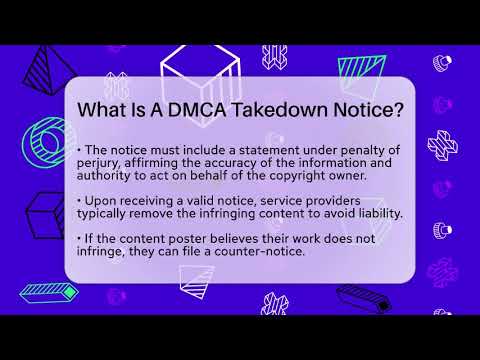
You might have heard about DMCA claims before—this stands for the Digital Millennium Copyright Act. Although this law mainly applies in the US, UK users often encounter DMCA processes for content hosted by US-based companies like YouTube or Facebook. Now here’s where it gets interesting: if you believe someone has infringed on your copyright online through these platforms, you can file a DMCA takedown notice to remove the offending material.
So what should you do if you think your copyright is being violated? First off:
- Gather evidence: Keep records of when and how your work was used without permission.
- Contact the infringer: Sometimes a simple message can resolve things before escalating further.
- If needed: file a takedown notice.
You see? The best practice is always to stay informed about your rights as a creator and know how to protect them. If you’re creating content regularly—like art or writing—it pays off big time to understand these laws so you’re not left scrambling if something goes wrong!
A quick story: I once knew someone who painted beautiful landscapes but didn’t register their work. One day they found their art on some random café’s menu without credit! They felt totally helpless at first but learned quickly about copyright laws and managed to get recognition—and some compensation too! It was such an eye-opener for them about being proactive in protecting their creativity.
The bottom line? Learn about your rights, take steps to protect your works from infringement, and don’t hesitate to act—because staying vigilant can save you headaches down the road! And remember: copyright isn’t just legal jargon; it’s there to shield your creativity so give it some respect!
Navigate Copyright Challenges Effectively with Infringement Takedowns Inc.
Navigating copyright issues, especially in a digital age, can be pretty tricky. You must understand how copyright works and your rights as a creator or user. Let’s break down some important bits about copyright challenges and DMCA claims in the UK.
First off, what is copyright? It’s that legal protection you get over your original works, like music, art, or writing. When you create something new and unique, you automatically own the copyright. This means you get to control how others use your work. That’s powerful stuff!
Now, let’s talk about infringement. This happens when someone uses your work without permission. It can feel really frustrating when you’re scrolling through social media and see your art being used by someone else without credit or compensation. Your first thought might be to panic—don’t! There are ways to address this.
One effective method to tackle copyright infringement is through takedown notices under the Digital Millennium Copyright Act (DMCA). Although the DMCA is a US law, its principles resonate globally, including in the UK context. If your work is being misused online, you can send a takedown notice to the platform hosting that content.
So what do you need in a takedown notice? Here are some key points:
- Your details: Include your name and contact information.
- Description of infringing material: Clearly identify what work is being used without permission.
- Proof of ownership: A link or copy of your original work helps establish ownership.
- A statement of good faith: You should declare that you believe the use of your copyrighted material is unauthorized.
- Your signature: This can be electronic; it just needs to show you’ve authorized the claim.
It’s like saying “Hey! That’s mine!” in a formal way.
Now, what if someone accuses YOU of infringing on their copyright? Yikes! First things first: don’t freak out. You’ll want to respond carefully but quickly. Gather all relevant information about the situation and consider seeking legal advice if needed.
Remember that not every case of similar content means infringement has occurred. For instance, parody or fair use might apply in certain situations—it’s worth knowing these exceptions exist!
Also, keep an eye on repeated claims against you; too many might lead platforms to take action against your account. Avoiding these situations altogether is always better than dealing with them after they happen.
And here’s a side note: things get more complicated when it comes to user-generated content platforms like YouTube or TikTok where users upload their own videos using copyrighted materials often unknowingly.
In wrapping this up—you’ve got tools at hand for both protecting your works and responding appropriately if faced with claims against them. Keep yourself informed and proactive! The world of copyright law may seem complex at times but knowing these basics can help ease concerns when navigating these waters.
Stay vigilant out there! Your creativity deserves protection!
Understanding Copyright Infringement Notices: A Guide to Starlink’s Legal Responsibilities
Understanding copyright infringement notices can be pretty overwhelming, especially when it comes to something like Starlink and its legal responsibilities under UK law. So, let’s break this down in a straightforward way.
What is Copyright Infringement?
Basically, copyright infringement happens when someone uses another person’s creative work without permission. This could be anything from music, videos, software, or written content. In the UK, copyright is protected by law and gives the creator exclusive rights to their work.
What are DMCA Claims?
Now, you’ve probably heard of the DMCA (Digital Millennium Copyright Act) if you’ve looked into copyright issues online. While it’s mainly a US law, it affects platforms like Starlink that provide internet services globally. Under the DMCA, copyright holders can issue takedown notices if they believe their work is being used unlawfully.
Starlink’s Role
Starlink provides satellite internet services but isn’t in charge of what users do online. However, they still have certain responsibilities when it comes to receiving these infringement notices:
It’s kind of like being a landlord—you can’t ignore your tenant doing something illegal in your property without facing consequences.
The Process
When someone submits a copyright infringement notice to Starlink:
1. They must clearly identify the infringing content.
2. Provide enough details so that Starlink can locate it.
3. Include their contact information and a statement confirming that they believe the use is unauthorized.
Once Starlink gets this notice:
– They have to investigate.
– If they find that there’s truth in it—like someone streaming pirated movies—they would remove that access.
You see how this works?
User Rights
But hey! Users also have rights here. If someone thinks their content was wrongly removed or misidentified as infringing:
– They can file a counter-notice.
– In this counter-notice, they’d need to explain why their use falls within **fair use** or why they believe they’re not violating any rights.
If successful in appealing through this process, their content may be restored.
The Bottom Line
Starlink doesn’t want all that legal hassle; neither do you! The key takeaway is understanding both sides of these copyright issues: creator rights and users’ rights. By knowing how things work with copyright infringement notices and DMCA claims in the UK context—you’re better equipped for whatever comes your way online!
So next time you hear about those pesky takedown notices or wonder about your own rights as a creator or user—remember this chat!
Navigating DMCA claims can feel like you’re walking through a maze, right? I mean, you know that tangled mix of laws and rights can be pretty confusing. So let’s unpack it a bit.
The Digital Millennium Copyright Act (DMCA) is primarily an American law, but its influence has reached beyond the States. If you’re in the UK and dealing with online content – like music, videos, or images – it’s important to understand some bits of it because similar principles apply under UK copyright law.
Imagine this: your friend uploads a fantastic song they created to their social media. One day, they find out someone stole it and posted it as their own. Frustrating, isn’t it? Well, this is where copyright law comes into play. In the UK, an artist automatically holds copyright on their work as soon as it’s created and fixed in a tangible form, just like that song your friend made.
Now, if someone infringes on that copyright by using their work without permission – say, posting it on a website or selling copies – your friend can issue what’s called a DMCA takedown notice if it’s hosted by an American platform. This notice essentially says: “Hey! This isn’t yours; take it down.” It’s kind of like waving a flag saying “this belongs to me.” The platform usually must react quickly; otherwise they could be held liable for hosting infringing content.
In the UK context though, things get slightly different since we operate under our own legal framework. There’s no direct equivalent to the DMCA here – instead we rely more on laws that fall within the realms of IP (Intellectual Property) law. You might hear about sending cease and desist letters or using other legal routes to protect one’s rights.
But here’s the catch: dealing with these claims can turn into a heavy legal hassle. You might feel overwhelmed trying to figure out how to approach the situation or even just understanding who stands where legally. So often people just give up because navigating through legal jargon takes so much energy!
That personal touch really matters when you’re facing something like this too. It’s not just about rules; it’s about protecting what you created or even something you hold dear. It’s your right to defend against misuse! The good thing is there are resources available—like online advice platforms or local organisations—that can guide you through when stuff gets sticky.
So whether you’re an artist or simply someone who enjoys sharing creations online, knowing about these laws helps you stay aware of your rights—and that’s empowering! You know? Just remember that while the road might get bumpy with copyright issues ahead, there are always ways to navigate through them successfully if you’re informed and proactive.


