
You know that moment when you’re in a queue and someone cuts in line? It’s infuriating, right? Well, imagine feeling that way in a place that’s supposed to help you—like a hospital or care home.
Direct discrimination in health and social care is kinda like that but way more serious. It’s about people being treated unfairly just because of who they are. This can happen for all sorts of reasons—race, gender, age—you name it.
The information on this site is provided for general informational and educational purposes only. It does not constitute legal advice and does not create a solicitor-client or barrister-client relationship. For specific legal guidance, you should consult with a qualified solicitor or barrister, or refer to official sources such as the UK Ministry of Justice. Use of this content is at your own risk. This website and its authors assume no responsibility or liability for any loss, damage, or consequences arising from the use or interpretation of the information provided, to the fullest extent permitted under UK law.
Picture this: You’re at the doctor’s office, feeling unwell. But instead of getting help, you sense something’s off. Maybe the staff don’t take your concerns seriously because of your background. That’s not just frustrating; it’s wrong!
So yeah, let’s chat about what direct discrimination really is and how it affects real lives. Because everyone deserves fair treatment when they need care most!
Understanding Direct Discrimination in UK Law: Key Concepts and Implications
Understanding Direct Discrimination in UK Law: Key Concepts and Implications
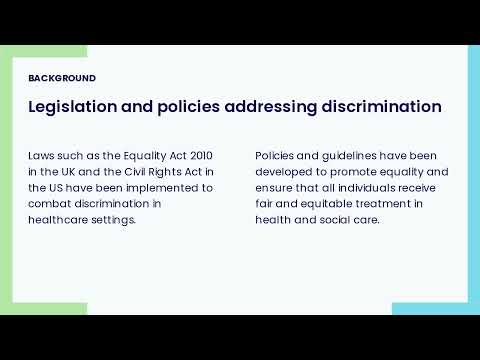
Direct discrimination is a serious issue that can pop up in many areas, including health and social care. Basically, it happens when someone treats another person worse simply because of a protected characteristic, which can include things like race, gender, age, disability, and more. In the UK, this stuff is usually covered under the Equality Act 2010.
So let’s break this down a little. When we talk about direct discrimination, we’re dealing with cases where someone’s been treated unfairly because of who they are or what they believe in. For example, if a hospital denies treatment to someone because of their race or religion—that’s direct discrimination. It’s straightforward and pretty cut-and-dry.
In health and social care settings, direct discrimination can have really significant effects. Think about it—if a person doesn’t receive proper medical attention just because of their identity or background, that could lead to serious health risks. Like the time I read about someone who needed urgent care but faced delays because of their ethnicity—just heartbreaking.
Now let’s get into some key concepts surrounding direct discrimination:
- Protected Characteristics: These are traits you can’t be discriminated against for. They include age, disability, gender reassignment, race, religion or belief, sex, and sexual orientation.
- Treatment Comparison: For it to be direct discrimination, you need to compare how two people are treated: one with the protected characteristic and one without.
- No Justification: Unlike other forms of discrimination (like indirect), there’s no way to justify direct discrimination – it’s wrong no matter what.
- Causation: It must be clear that your treatment was based directly on your protected characteristic; otherwise it doesn’t count as direct discrimination.
The law doesn’t mess around when it comes to protecting rights in these situations. If you feel you’ve faced direct discrimination while receiving care—be it through a doctor refusing treatment or an institution not providing adequate facilities for disabled individuals—you have legal grounds to challenge that.
Filing a complaint might seem daunting—you might wonder about the repercussions or whether it’s even worth it. But remember: standing up against injustice not only helps you but can create changes that protect others too. Like when a group stood up against an NHS trust for failing disabled patients; they eventually made changes that improved services for everyone.
Understanding your rights helps build confidence in facing discriminatory practices out there. So if you’re experiencing this kind of treatment in health and social care settings—or know someone who is—it’s important to know help is available through various organizations focused on equality rights.
All in all, tackling direct discrimination not only benefits those affected but enriches society as a whole by ensuring fairer access to services for everyone! You follow me?
Understanding Discrimination in Health and Social Care: Key Insights for the UK Context
Discrimination in health and social care is a pretty serious issue. It affects people’s access to necessary services and their overall well-being. In the UK, there are laws to protect individuals from discrimination, especially under the Equality Act 2010. This act covers several protected characteristics like age, disability, gender reassignment, race, religion or belief, sex, and sexual orientation.
Direct discrimination happens when someone is treated worse than another person in a similar situation due to a protected characteristic. For instance, if a healthcare provider refuses to treat a patient because of their race or disability, that’s direct discrimination. It’s wrong and illegal.
But how do you identify it? Here are some key points:
- Comparative treatment: Basically, if one person gets better treatment solely based on things like age or gender, that’s direct discrimination.
- Stereotyping: If staff assume someone can’t understand information because of their background or age and don’t provide necessary help, that’s direct discrimination too.
- Policies that disadvantage: Sometimes policies that seem neutral can still lead to direct discrimination if they disproportionately affect one group over others.
Now imagine you’re an older person who’s trying to book an appointment at your local clinic. You might find that the receptionist keeps insisting only younger people can have certain services available without explaining why. This could make you feel undervalued and discouraged from seeking help. That’s a real-world example of how direct discrimination plays out.
In health and social care settings, it’s essential for employees to receive training on equality and diversity. These trainings help staff understand biases—conscious or unconscious—and how they can impact patient care. Ensuring everyone feels welcomed and respected goes a long way in improving overall care outcomes.
Furthermore, if someone feels they’ve been discriminated against in these areas—whether it’s during treatment or accessing services—they can file complaints through proper channels like the NHS complaints process or pursue legal action if necessary.
Accessing legal remedies is crucial in fighting back against discrimination. People affected can seek advice from organizations like the Equality Advisory Support Service (EASS) which helps individuals understand their rights and what steps they can take.
To sum it up: direct discrimination in health and social care isn’t just about being treated unfairly; it significantly affects people’s lives. Awareness is key for both providers and patients alike because understanding these dynamics helps create more inclusive environments for everyone seeking medical help or support services. So let’s prioritize awareness and fairness wherever we can!
Understanding UK Law on Discrimination: Key Regulations and Protections
Sure! Understanding discrimination law in the UK, particularly in health and social care, is really important, right? So, let’s break it down in a straightforward way.
First off, the main piece of legislation tackling discrimination is the Equality Act 2010. This law helps protect people from unfair treatment in various areas, including health and social care. It covers several “protected characteristics,” which are specific traits that you can’t be discriminated against for. These include:
So, what’s “direct discrimination,” then? Well, this happens when someone is treated worse than another person just because they have one of those protected characteristics. For example, if a hospital refuses to treat someone simply because of their race or disability—that’s direct discrimination.
Here’s a real-life scenario to put it into perspective. Imagine Sarah goes to a clinic for treatment. She has a visible disability and is told she can’t see a doctor while others are being attended to. If her disability is the reason she’s being treated differently? That’s clear-cut direct discrimination.
Now, moving on—it’s not just about treating people equally; it also means making reasonable adjustments. Let’s say someone with mobility issues struggles to access certain facilities. The health provider should take steps to ensure they can receive care without facing barriers.
Another crucial aspect here is the concept of harassment related to these protected characteristics. Harassment occurs when someone experiences unwanted behavior that creates an intimidating or hostile environment. For instance, if a staff member makes jokes about someone’s religion at a care home—that’s unacceptable and could fall under harassment laws.
Here’s where things get serious: if you feel you’ve been discriminated against in health or social care settings, it’s your right to speak up! There are processes you can follow:
1. **Internal Complaints**: Start by raising your concern with the service provider directly.
2. **Ombudsman**: If you’re unhappy with how they handle it, you might escalate it to the Parliamentary and Health Service Ombudsman.
3. **Legal Action**: In cases where things have gone awry significantly, seeking legal advice may be necessary.
It’s good to know that there are protections in place! The law aims not only to prevent discrimination but also promote equality in accessing vital services like healthcare.
Finally, let’s remember—everyone has rights under this law regardless of background or identity. If we keep talking about these issues openly and encourage kindness and fair treatment across all sectors—including health and social care—it’ll create spaces where everyone feels safe and valued.
So yeah, it’s clear—understanding your rights helps empower you! And that’s super important in ensuring everyone gets the care they deserve without fear or prejudice hanging over them.
Direct discrimination in UK health and social care law is a topic that really strikes a chord with so many people. It’s about treating someone unfairly because of who they are—things like their race, gender, age, or disability. Imagine a person going to a hospital feeling unwell and then being treated poorly just because of their background or skin color. It can be heartbreaking.
When we talk about direct discrimination, it’s important to recognize that it can happen in various ways. For instance, healthcare workers might unintentionally neglect certain patients based on biases they might not even be aware of. There was this story I heard about an elderly woman who went to the doctor with severe pain but was dismissed as being “too old” for treatment options that could’ve helped her. It makes you think about how deeply ingrained biases can affect someone’s life.
The law tries hard to combat this by setting out clear rights for everyone accessing health services. The Equality Act 2010 lays down these rules and says that nobody should face disadvantage in healthcare settings because of who they are. That means hospitals and clinics are legally obliged to make sure they’re treating everybody fairly, ensuring equal access and service.
But here’s the thing: even with these laws in place, we still see incidents where direct discrimination pops up. You know how some healthcare workers may have unconscious biases? They might not realize they’re treating someone differently based on assumptions rather than facts. It’s crucial for staff to undergo training and be more aware of their attitudes toward others.
So what can you do if you think you or someone you know has faced this sort of treatment? First off, don’t hesitate to speak up! You have the right to report any incidents of discrimination to the relevant authorities within the health service or even take it further if needed.
In the end, addressing direct discrimination isn’t just about specific laws; it’s also about changing attitudes across society. We all have a part to play in creating spaces where everyone feels safe and respected when seeking help—because let’s face it, when you’re feeling vulnerable and trying to navigate health issues, fairness should be a given, right?

