
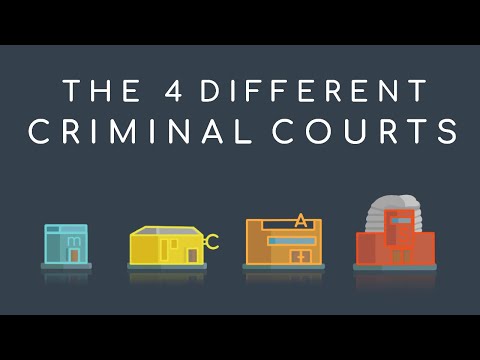
You know that feeling when you’re in a movie and someone gets called to the stand? The tension is thick, right? Well, that’s kind of how it works in Crown Court too, but way less dramatic.
Crown Courts deal with serious criminal cases. Think murder, robbery, or fraud – heavy stuff. Ever wondered what goes on behind those closed doors?
The information on this site is provided for general informational and educational purposes only. It does not constitute legal advice and does not create a solicitor-client or barrister-client relationship. For specific legal guidance, you should consult with a qualified solicitor or barrister, or refer to official sources such as the UK Ministry of Justice. Use of this content is at your own risk. This website and its authors assume no responsibility or liability for any loss, damage, or consequences arising from the use or interpretation of the information provided, to the fullest extent permitted under UK law.
Let me tell you, the prosecution’s role is crucial. It’s like being the coach of a sports team; you’ve got to strategize and play hard to win the game. It’s more than just statements and evidence; it’s about navigating a complex legal maze.
So, if you’re curious about how these courtroom proceedings unfold, stick around! We’re gonna break down everything you need to know about Crown Court prosecution procedures in a way that even your mate would get it.
Understanding the Prosecution Process in the UK: A Comprehensive Guide
Understanding the prosecution process in the UK can be a bit of a maze, but it’s important to get the gist of it. Here’s a look at how things work in Crown Court, which is often where serious cases are handled.
The Prosecution’s Role
So, basically, the prosecution is responsible for bringing a case against someone accused of a crime. They have to prove beyond a reasonable doubt that the person committed the offence. This isn’t just about saying “he did it!”—it’s about presenting solid evidence and making sure everything is above board.
Starting the Process
The journey kicks off when someone reports a crime. Police investigate and gather evidence, then they pass everything to the Crown Prosecution Service (CPS). The CPS looks through all the info to decide whether there’s enough evidence to charge someone with an offence.
Charging Decision
If they think there is, they’ll issue **charges**. This decision isn’t taken lightly; they have to consider if there’s enough evidence and if it’s in the public interest to prosecute. This means that even if you’ve done something wrong, it doesn’t always mean you’ll be charged—kind of like watching your mate do something silly but deciding not to tell on them because it’s not worth the hassle.
Court Proceedings
Once charges are filed, things move into court. In Crown Court, this usually involves some key stages:
- Preliminary Hearing: This is where initial matters are sorted out—like setting dates and deciding how long things might take.
- Trial: The actual trial begins with jury selection. Jurors listen to evidence from both sides—the prosecution presents first.
- Crown Court Judge: A judge oversees everything! They make sure that laws are followed and can give advice if needed.
During a trial, witnesses are called in. They’ll share what they know about what happened. The defence gets their shot too—they’ll present their side of things and may question witnesses to poke holes in the prosecution’s argument.
The Verdict
After all evidence has been put forward, it’s time for deliberation by the jury. They discuss everything carefully before coming back with a verdict: guilty or not guilty. If found guilty, then sentencing follows based on guidelines set by law.
The Aftermath
Should you be unhappy with how things went down at trial? Well, there may be options for appealing decisions under certain circumstances—but that’s another layer of complexity!
In essence, understanding this process gives you insight into how justice tries to work its magic—and why making sure someone’s rights are protected along the way matters so much! So remember: it may seem complicated at first glance, but breaking it down helps clarify how serious accusations are dealt with through our legal system in Crown Court here in the UK.
Understanding the Crown Court Hearing Process in the UK: A Comprehensive Guide
So, let’s talk about the Crown Court hearing process in the UK. It’s a crucial step in the legal system, especially for serious criminal cases. You know, it can feel pretty overwhelming if you’re not familiar with it, so breaking it down might help clear things up a bit.
What is the Crown Court?
The Crown Court handles more serious criminal cases than the Magistrates’ Court. This includes offences like murder, robbery, and sexual assaults. It’s a higher court where you can expect more formal procedures and usually a jury present to decide on verdicts.
The Process of a Crown Court Hearing
When you enter this process, it generally starts after a defendant pleads “not guilty” at their initial hearing in the Magistrates’ Court. Here’s how things typically unfold:
- Preparation for Trial: Before heading to court, both sides – that’s the prosecution and defence – prepare their cases. They gather evidence, including witness statements and expert reports.
- Trial Date: Once everything’s set, a trial date is scheduled. Depending on how busy the court is, this might take some time.
- The Jury Selection: On the trial day, potential jurors are summoned. They’re questioned to make sure they can be impartial before finally being selected to hear your case.
- The Opening Statements: After everything’s ready to go, both sides give an opening statement. This is basically introducing their case to the jury – kind of like setting the scene.
- The Prosecution’s Case: The prosecution goes first. They present evidence and call witnesses to support their case against the defendant.
- The Cross-Examination: The defence gets to cross-examine these witnesses next—this can get intense! The goal here is often to poke holes in what they’ve said or introduce doubt.
- The Defence’s Case: If there’s enough evidence from both sides, now it’s time for the defence to put forward their case. They may call witnesses or provide evidence that supports the defendant’s innocence or reduces liability.
- CLOSING STATEMENTS: After both sides have presented their evidence and witnesses have been examined and cross-examined, each side gives closing remarks summarising their arguments for the jury again.
- The Verdict: Finally comes what everyone’s been waiting for—the jury deliberates in private before returning to announce whether they find the defendant guilty or not guilty.
Anecdote Time
A friend of mine once witnessed such a trial because her uncle was involved as a juror. She mentioned how tense it felt when everyone was waiting for that verdict announcement—it was almost like holding your breath! And when they finally came back with ‘not guilty,’ there were tears of relief in that courtroom.
If Found Guilty
If found guilty—well—that’s where sentencing happens next; that can vary widely depending on what crime was committed. The judge has discretion regarding penalties based on many factors.
So yeah, if you’re ever facing this situation or know someone who might be—you now have an idea of what unfolds at Crown Court hearings in England and Wales! It can seem daunting but understanding each step makes it all less scary.
Understanding the Crown Prosecution Service in the UK: Roles, Responsibilities, and Impact
The Crown Prosecution Service, or CPS for short, is a pretty essential part of the criminal justice system in the UK. It’s there to make sure that justice is served, and its role is vital in how things play out when someone gets charged with a crime. So let’s break down what they do!
What is the CPS?
Well, the CPS was established in 1986 and it acts as the principal public prosecuting authority in England and Wales. Its main job? To decide whether to prosecute people accused of crimes. They take a look at the evidence provided by the police and then make a decision about whether it’s strong enough to go to court.
Roles of the CPS
You might be wondering exactly what roles they have. Here are some key points:
Think about it! Imagine a situation where someone witnessed a robbery. The police collect evidence, but it’s up to the CPS to then decide if there’s enough proof that points towards someone being guilty.
CPS Responsibilities
Now let’s get into their responsibilities. It isn’t just about prosecution; there’s more to it.
It can be quite emotional when you think about victims waiting for justice or even defendants who fear unfair treatment. That’s why the CPS tries really hard to balance everything out!
Crown Court Prosecution Procedures
Once a case is ready for trial, it typically goes through specific procedures at Crown Court if it’s more serious.
Firstly, there’s usually a bail hearing. This is where decisions are made about whether an accused person can stay out of jail while awaiting trial or not.
Next comes a case management hearing, which helps set timelines for how everything will unfold.
Then you have a trial, where both sides present their arguments. The CPS will put forward its case against the defendant—backed by all those lovely bits of evidence gathered beforehand.
And remember! During this whole process, communication between prosecutors and victims is crucial. Victims often need updates on what’s happening with their cases because these situations can feel pretty overwhelming.
The Impact of the CPS
So why does this all matter? Well, you see, decisions made by the CPS shape public safety and confidence in the legal system. If people feel like crimes go unpunished or that prosecutions aren’t fair—that could lead people feeling unsafe or distrustful.
Every time a case goes through successfully—where justice is served—it reinforces trust in law enforcement and helps communities heal from difficult situations.
In conclusion—and I mean this sincerely—the Crown Prosecution Service plays such an important role not just legally…but also emotionally within society as they navigate these complex waters of justice together!
You know, thinking about Crown Court prosecution procedures in the UK legal system, it can feel a bit overwhelming at first. But once you peel back the layers, it all starts to make sense. Picture a courtroom: the judge sitting at the front, lawyers on either side, and a public gallery filled with people watching intently. It’s like a scene from one of those courtroom dramas, right? But this is real life.
So, basically, when someone is charged with a serious crime—let’s say robbery or assault—the case often gets sent to the Crown Court. This court handles more severe matters than your typical Magistrates’ Court. And here’s where it gets interesting: the prosecution has a huge role here. It’s not just about proving guilt; it’s about presenting evidence clearly and fairly.
Imagine being on trial for something you didn’t do. The pressure must be immense! That’s why it’s crucial for both sides to follow strict procedures to ensure justice is served. The prosecution starts by reviewing evidence collected by law enforcement, preparing witness statements, and deciding how best to present their case.
Now let’s talk about that first court appearance at the Crown Court, known as an arraignment. This is where they read out the charges against the defendant and they enter their plea—guilty or not guilty. If they plead not guilty, things get serious fast! You see this array of pre-trial hearings designed to sift through evidence and arguments before reaching trial day.
And there are so many rules in place to make sure everything goes smoothly! I’ve heard stories from people who’ve sat through trials where it felt like everyone was on edge—like that suspenseful moment when a key piece of evidence gets revealed. It’s nerve-wracking! Yet these procedures help maintain balance between ensuring justice and protecting rights.
But you know what really sticks with me? The impact that these trials have on everyone involved—from victims wanting closure to defendants fighting for their freedom. It’s not just a legal process; it’s deeply personal for so many folks who find themselves caught in it.
At the end of the day, whether someone walks free or faces punishment involves careful deliberation based on facts presented in court. And while procedures might seem bureaucratic or tedious at times, they exist for good reasons—to protect rights and uphold justice in society.
So when you think about Crown Court prosecutions next time, remember there’s more behind those procedural walls than just laws and regulations; there are human lives intertwined within every decision made.


