
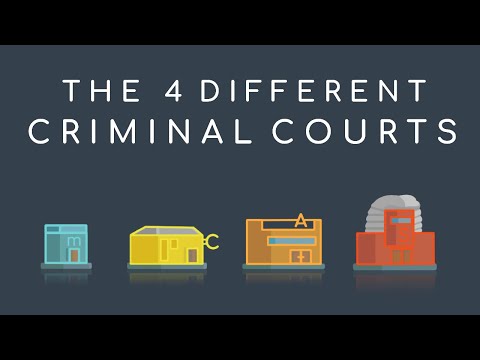
So, picture this: you’re at a family gathering, munching on some cake, and Uncle Bob starts telling you about his wild night out, right? He ends up getting into a bit of trouble with the law. It’s entertaining until you realize—you have no clue what happens next in the legal maze.
Well, navigating criminal proceedings in the UK can feel just as twisty. Seriously. It’s like trying to find your way through a hedge maze while blindfolded!
The information on this site is provided for general informational and educational purposes only. It does not constitute legal advice and does not create a solicitor-client or barrister-client relationship. For specific legal guidance, you should consult with a qualified solicitor or barrister, or refer to official sources such as the UK Ministry of Justice. Use of this content is at your own risk. This website and its authors assume no responsibility or liability for any loss, damage, or consequences arising from the use or interpretation of the information provided, to the fullest extent permitted under UK law.
But fear not! Understanding how things work can save you from feeling lost or overwhelmed if you ever find yourself or someone you care about in hot water.
So, let’s break it down together. I promise to keep it light and straightforward. Because let’s be honest, legal stuff shouldn’t feel like reading a foreign language!
Top 10 Challenges Facing the Criminal Justice System in the UK: An In-Depth Analysis
The criminal justice system in the UK has its fair share of challenges, and it’s not just about laws and rules; it’s about real lives, you know? Here’s a rundown of some pressing issues faced in navigating criminal proceedings.
1. Delays and Backlogs: One significant challenge is the delays in court proceedings. Due to a combination of factors including limited resources and an increase in cases, some defendants wait months or even years for their trial. Imagine being stuck in limbo; it’s frustrating and can impact mental health.
2. Resource Limitations: Another issue is the lack of funding for legal aid services. Not everyone can afford a lawyer, and legal aid cuts have left many without proper representation. This means some folks end up navigating the system alone, which can be daunting.
3. Overcrowding in Prisons: Prisons are overcrowded, seriously overcrowded. When prison facilities are stretched to their limits, it leads to poor living conditions and can escalate tensions among inmates. This doesn’t do much for rehabilitation.
4. Racial Disparities: Racial inequality still looms large within the system. Research shows that certain ethnic groups are disproportionately represented at various stages—from arrest to sentencing—raising serious questions about fairness.
5. Mental Health Issues: Then there’s mental health, a massive hurdle for many involved with the criminal justice system. Many individuals caught up in these proceedings have underlying mental health issues that aren’t adequately addressed, resulting in a cycle of re-offending rather than rehabilitation.
6. Public Confidence: If people lose trust in the justice system because they feel it’s failing them or are concerned about bias, it can lead to a lack of cooperation with law enforcement—a real circular problem here!
7. Cyber Crime Increase: The growth of cybercrime presents fresh challenges for law enforcement not only in detection but also prosecution—all those laws struggle to keep pace with technology changes!
8. Victims’ Rights Awareness: Often victims feel unheard throughout court proceedings—there’s this nagging sense that their needs get overlooked as they navigate through all this legal jargon.
9. Sentencing Confusion: There’s also confusion around sentencing guidelines among both judges and juries—it often leads to inconsistent sentences that seem unfair to the public eye.
10. Alternatives to Custody: Lastly, there’s a growing recognition that custodial sentences aren’t always effective. Finding suitable alternatives remains a challenge but could play an essential role in reducing re-offending rates.
Navigating these challenges isn’t straightforward—seriously! Understanding how they affect individuals caught up in criminal procedures sheds light on just how complex our justice system really is.
Understanding the Criminal Trial Process in the UK: A Comprehensive Guide
Sure! Let’s break down the **criminal trial process** in the UK. It can seem a bit complicated, but don’t worry, I’ll keep it simple. The whole thing usually follows a series of steps. So, here goes:
1. The Arrest
When someone is suspected of committing a crime, the police can arrest them. They have to tell that person why they’re being arrested—this is called “cautioning.” You know, like when you hear on TV shows: “You have the right to remain silent…” Well, that’s kind of it.
2. Charge or No Charge
After an arrest, the police investigate and gather evidence. Then they decide if they’re gonna charge the person with a crime. If they don’t think there’s enough evidence, no charge is made. Imagine someone being in a sticky situation for nothing!
3. Court Proceedings Begin
If charges are pressed, then it’s off to court! But first, there’s something called a **preliminary hearing** where the facts are laid out and if there’s enough evidence to go forward.
4. Plea Before Venue
In case of lesser crimes or summary offences (like petty theft), this is usually done at a Magistrates’ Court first. The accused will enter a plea—guilty or not guilty.
- Pleading Guilty: If you admit to the crime, you might get sentenced right then and there.
- Pleading Not Guilty: This means you’re taking it to trial.
5. Preparing for Trial
So now we’re gearing up for trial; this could involve gathering more evidence or witness statements—think of it like prepping for an exam! Both sides present their cases.
6. The Trial
Trials in the UK can be held in either **Magistrates’ Court** (for lesser offences) or **Crown Court** (for more serious ones). During the trial:
- The prosecution presents their evidence first.
- The defence gets a turn too—they’ll try to poke holes in what the prosecution says.
- If evidence is presented against you, you have every right to challenge it.
And guess what? Witnesses can be called by both sides too!
7. Verdict and Sentencing
Once all has been said and done, the judge or jury gives their verdict:
- Guilty: If found guilty, then comes sentencing where penalties like fines or jail time are discussed.
- Not Guilty: That means you’re free to go; no stain on your record!
It must feel pretty tense waiting for that outcome!
8. Appeals
If things didn’t go your way at trial—there’s still hope! You can appeal against either your conviction or sentence if there are grounds for it.
Seriously though, going through these steps often feels overwhelming whether you’re involved directly or just understanding from afar—it’s like navigating through a maze without knowing what’s around each corner!
So there you have it! The criminal trial process isn’t exactly light reading but understanding these steps makes things clearer when navigating through such matters in life—or just chatting about laws with your mates at the pub!
Comprehensive Guide to Criminal Procedure Rules in the UK: Key Insights and Updates
Criminal procedure in the UK can seem a bit daunting at first, but once you break it down, it makes more sense. Understanding the rules that govern criminal cases is crucial for anyone navigating this part of the legal system.
First off, let’s talk about what criminal procedure really means. It’s the legal framework that outlines how criminal cases are handled from start to finish. This includes everything from arrest through to trial and sentencing. Basically, it ensures that everyone involved knows what to expect and their rights are protected.
When a crime is reported, the police often get involved right away. They might arrest someone based on evidence or witness statements. Once an arrest happens, you enter a thrilling phase called the pre-trial stage. This is where things can get really interesting.
During this stage:
- The arrested person has the right to be informed why they’re being detained.
- They also have access to legal advice, which is super important for anyone in that situation.
- If charges are filed, a charge sheet will be prepared laying out what the accused is facing.
At some point after this, you’ll hit the first court appearance. It’s often an initial hearing where basic details are sorted out—nothing too fancy at this stage.
Next up is plea hearings. Here’s where the accused decides whether they’re pleading guilty or not guilty. If someone pleads guilty, well, that can lead to a more straightforward process with sentencing coming up quicker than if they choose to fight their case.
But if they plead not guilty? Oh boy! That leads us into the trial phase. Trials are like mini-dramas in courtrooms with evidence presented and witnesses called—that’s when things really heat up!
Some key aspects during trial include:
- The prosecution has to prove their case beyond a reasonable doubt—pretty high bar!
- The defense gets a chance to present their side and challenge evidence.
- Juries may be involved unless it’s a magistrate’s court case.
And once everything’s argued out in front of a judge or jury? A verdict comes down! If found guilty, then sentencing occurs next—a whole other set of guidelines kicks in there.
Another aspect worth mentioning: if something goes wrong during these stages—like improper evidence handling—they might have grounds for an appeal later on. This means asking a higher court to review what happened and potentially overturn convictions or sentences based on mistakes made.
Now let’s touch on recent updates in criminal procedure rules. Rules change over time—like any living system—to adapt better practices or address societal needs.
For instance:
- Changes may have been made regarding how bail applications are processed.
<li new guidelines could change disclosure obligations; basically ensuring all parties share relevant material ahead of trial days.
These updates can have significant implications depending on your situation; hence staying in touch with developments is wise.
You see? Navigating criminal proceedings isn’t just cut and dried—it involves numerous steps and layers of protection built right into our system. The truth is knowing your rights allows you to stand firm through every twist and turn!
When someone gets caught up in criminal proceedings in the UK legal system, it can feel like stepping into a whole new world. You know, I once heard a story about a guy named Tom. He was just minding his own business when a misunderstanding led to him facing criminal charges. It was like being thrown into deep water without knowing how to swim.
The thing is, navigating through this system is no small feat. You’ve got various stages to deal with: police investigations, potential trials, and everything in between. For most people, that means a whirlwind of emotions—fear, anxiety, maybe even anger. It’s completely normal to feel overwhelmed.
First off, let’s talk about arrests and charges. If you’re arrested, the police will tell you what you’re being charged with. It sounds pretty straightforward, but it can get complicated fast. You might be released on bail or kept in custody until your first hearing. Think of it like being on pause until the next big step.
Then comes the initial hearing. This is where you really begin to understand what you’re up against—what the prosecution claims you did and what your defense might look like. It’s crucial at this stage to have proper legal advice; there’s so much at stake! Imagine going into battle without armor; that’s how essential it is.
If things move forward to trial, it can feel like a rollercoaster ride for everyone involved—stressful and often unpredictable! The prosecution presents its case and then it’s your turn for the defense to speak up for you. This isn’t just legal jargon; it’s your life we’re talking about here.
So what are your rights? Well, access to legal representation is one of them! That means you have the right to have someone by your side who knows the ins and outs of the law—someone who can help explain everything in plain English.
In all this chaos, never forget that whatever happens doesn’t define who you are as a person. Tom learned this lesson after his ordeal; he came out at the other end stronger and more aware of his rights and responsibilities.
Criminal proceedings are complex—no doubt about it—but having knowledge helps reduce some of that anxiety. Stay informed! And remember: even if it feels like you’re alone in this fight, there are people ready and willing to help navigate these tricky waters with you.


