
I once stumbled upon a hilarious meme that perfectly captured my friend’s chaotic cooking style. I wanted to share it, but what if the creator got upset? Well, that’s where Creative Commons comes in.
Ever heard of it? It’s like this cool tool for creators to let folks know how they can use their stuff. Imagine if you could share your art or writing without worrying about someone coming after you for it. Pretty neat, right?
The information on this site is provided for general informational and educational purposes only. It does not constitute legal advice and does not create a solicitor-client or barrister-client relationship. For specific legal guidance, you should consult with a qualified solicitor or barrister, or refer to official sources such as the UK Ministry of Justice. Use of this content is at your own risk. This website and its authors assume no responsibility or liability for any loss, damage, or consequences arising from the use or interpretation of the information provided, to the fullest extent permitted under UK law.
So, let’s chat about Creative Commons 4.0 and what it means for us here in the UK. Because understanding this stuff can seriously change how we share and create in our everyday lives!
Understanding Creative Commons in the UK: A Comprehensive Guide to Licensing and Copyrights
Creative Commons is like a toolkit for creators in the UK. It allows you to share your work while still retaining some control over how it’s used. You know, it’s like saying, “Hey, you can borrow my bike, but make sure to return it by dinner.” Well, that’s the essence of Creative Commons licensing.
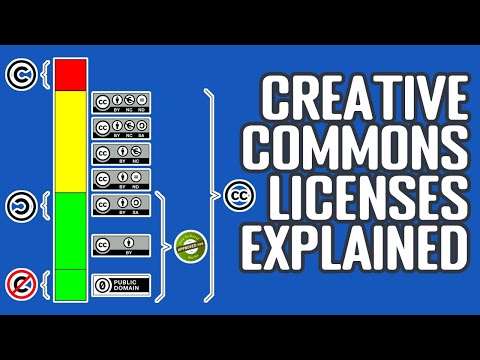
Basically, Creative Commons (CC) licenses let people choose how others can use their creations—like images, music, and writing. There are several types of CC licenses, and each one has different rules. Let’s break them down.
- CC BY (Attribution): You allow others to use your work as long as they give you credit. It’s super flexible.
- CC BY-SA (Attribution-ShareAlike): Like the first one but requires those who use your work to license their new creations under the same terms. Think of it as passing on the favor!
- CC BY-ND (Attribution-NoDerivatives): Others can use your work but can’t change it at all. They have to give you credit too.
- CC BY-NC (Attribution-NonCommercial): Others can use your work for non-commercial purposes only and must give you credit.
- CC BY-NC-SA (Attribution-NonCommercial-ShareAlike): A non-commercial license that requires credit and shares derivatives under the same terms.
- CC BY-NC-ND (Attribution-NonCommercial-NoDerivatives): This is the most restrictive one! People can’t change or sell your work, but they must credit you if they share it.
You see? Each license is a bit like setting rules for a game—you decide how it’s played! But there are some legal implications sewn into these choices that we need to keep in mind.
If someone uses your CC-licensed work without following those rules? Well, that could lead to copyright infringement issues. In the UK, copyright law protects original works automatically when they’re created. Once something’s under copyright—poof!—it’s protected for up to 70 years after the creator’s death!
If you’re thinking about using someone else’s CC work, always double-check which license it falls under. For instance, many people think all CC licenses are free-for-all. But if it’s a CC BY-NC license? You can’t use it commercially without asking permission first!
A friend of mine once shared a photo online using a CC BY-SA license. He thought everyone could use his pic freely since he was cool with sharing it—but he panicked when he discovered someone was profiting off a T-shirt with his image! There’s what I mean about understanding those little nuances before diving in.
The good news is that Creative Commons has a global presence yet adapts well within local laws like those in the UK. As long as you respect the conditions each license lays out—and remember to attribute properly—you’re usually on solid ground legally speaking.
So there you have it! By understanding these Creative Commons nuts and bolts and knowing what rights both creators and users have—you’re setting yourself up for smoother sailing in the world of copyright and licensing in the UK.
Exploring Public Sentiment: The UK’s Attitude Towards Copyright Laws
Sure! Let’s dig into the UK’s attitude towards copyright laws, especially with Creative Commons 4.0 in the mix. It’s a pretty fascinating area, believe me.
Copyright laws are essential for protecting creative works like music, books, and films. In the UK, these laws give creators exclusive rights over their work, letting them control how it’s used and shared. But not everyone sees copyright as a straightforward blessing.
A lot of people feel that current copyright laws are too strict. They often argue that these rules can stifle creativity and limit access to information. Think about it: if artists can’t remix or build on existing works without permission, it creates barriers for innovation. It’s like saying you can only paint if you buy a canvas from someone else — frustrating, right?
Then there’s Creative Commons 4.0 (CC 4.0), which offers a different approach to sharing creative content. This licensing system allows creators to specify how others can use their work while still keeping some rights protected.
That’s pretty liberating!
In the UK, many creators are warming up to CC licenses because they enable more open sharing of culture and knowledge without giving up all control over their original work. You see this popularity growing especially in education and non-profit sectors where access to resources is crucial.
But there’s also concern among traditional publishers and creators who see CC as undermining their ability to earn money from their work. This creates a push-and-pull dynamic. On one hand, everyone wants wider access to content; on the other hand, there are fears about devaluing creative efforts.
Another factor influencing public sentiment is technology’s role in shaping how we engage with creative works today. With social media platforms making sharing easy—and sometimes unavoidable—conversations around copyright become even more important.
So what do people think overall? Many in the UK seem keen for copyright reform that balances protection with accessibility—a bit of both worlds so to speak! Folks want clear rules that protect rights but also support collaboration and innovation.
In short, navigating public sentiment towards copyright in the UK isn’t totally straightforward; feelings shift based on personal experiences and how creatively free folks feel able to be while respecting others’ hard work. It’s a complex dance of rights versus access that keeps evolving with time and technology!
Exploring the Global Legality of Creative Commons Licenses: Are They Limited to the United States?
Creative Commons licenses are a pretty cool way for creators to share their work while still keeping some rights. You might be wondering, though: are these licenses only a thing in the United States? Well, let’s take a closer look at what it all means, especially in the context of the UK.
First off, Creative Commons came about in 2001 and has grown into a global movement. The licenses they offer aren’t limited to one country – they’re designed to be flexible and usable anywhere around the world. So, while they started in the US, you can definitely use them here in the UK too!
The Creative Commons 4.0 license, for instance, is widely accepted internationally. It allows creators to set out clear terms on how others can use their work. This means you can share your art or writing without losing ownership of it. Pretty neat, huh?
You may think it’s just about music or photography, but that’s not all. Think about education! Imagine a teacher using Creative Commons materials for teaching without worrying about copyright issues. This opens doors! But don’t forget that these licenses still need to comply with local laws.
- International Variability: Laws and regulations differ from region to region. In some places, local copyright laws might clash with Creative Commons rules.
- Territorial Application: Each license needs to be evaluated based on where it’s being used and shared.
- Not Universally Binding: Just because it says “Creative Commons” doesn’t mean every country recognizes these licenses as legally binding.
A friend of mine once tried sharing her photography online with a Creative Commons license attached—she thought she had everything covered until someone used her pictures commercially without asking first! That’s where knowing your rights comes into play.
If you’re thinking about using one of these licenses in the UK or anywhere else outside the US, always consider checking how it aligns with your local copyright law. While Creative Commons offers a great framework for sharing work creatively and legally globally, your specific rights might still vary depending on where you live.
The takeaway is pretty simple: Creative Commons licenses are not just limited to the US; they’re applicable worldwide. But keep an eye on local laws. It’s like navigating through a maze—there’s potential for creativity but also bumps along the way! You see? Understanding this can help you avoid those tricky situations down the line.
Creative Commons 4.0 is an interesting topic, especially when you think about how it affects sharing and using creative work in the UK. So, really, what is it? Well, it’s a licensing system that allows creators to decide how others can use their work. Imagine you wrote a fantastic song or created a beautiful piece of art. With Creative Commons (CC), you have the power to say, “Hey, feel free to share this as long as you give me credit,” or “You can use this but not for commercial purposes.” It opens up this whole world of collaboration and sharing!
Now, let’s break it down a bit. The CC 4.0 license has several types, which means you can pick one that matches your needs or your vision for your work. Some licenses let others remix your stuff freely while still giving you credit; others might restrict commercial use. It’s like setting your own ground rules for sharing!
In the UK, embracing something like Creative Commons can have significant legal implications too. For example, if someone doesn’t follow the terms you’ve set out in your CC license—say they used your image on their blog without giving credit—that’s actually a breach of copyright law here. You could take steps to enforce your rights if you wanted to.
I remember when my friend Sarah started getting into photography. She loved capturing local events and landscapes but was nervous about people stealing her photos online. Once she found out about Creative Commons licenses, she felt empowered! She chose one that allowed people to share her work as long as they credited her properly. It really changed the way she viewed sharing her art; instead of fearing theft, she began building a community around her photography.
But not everything’s rosy—it’s important to read the fine print because misunderstanding what rights are being granted can lead to unintended consequences. If you’re not clear on what’s allowed under a CC license or don’t adhere strictly to its terms, well… trouble might come knocking at your door.
So yeah, Creative Commons 4.0 in the UK is all about balance—encouraging creativity while still protecting creators’ rights. It serves as a fantastic tool for both spreading creative works and ensuring that someone isn’t just taking advantage of those creations without permission! This kind of approach not only cultivates artistic expression but also builds connections between creators and audiences in ways we didn’t have before.
In short, whether you’re a creator looking to share your work or just someone exploring the vast sea of content online, understanding these licenses can really shift how we interact with creativity today!


