
You know, I once had a mate who bought a house only to find out that his new backyard was technically off-limits because of an old covenant. Imagine being all excited about your garden barbecue, and then boom! No digging, no fun.
Covenant property law in the UK can be a bit of a maze. Seriously. These rules and agreements pop up in the weirdest places, often tied to how you can use your property.
The information on this site is provided for general informational and educational purposes only. It does not constitute legal advice and does not create a solicitor-client or barrister-client relationship. For specific legal guidance, you should consult with a qualified solicitor or barrister, or refer to official sources such as the UK Ministry of Justice. Use of this content is at your own risk. This website and its authors assume no responsibility or liability for any loss, damage, or consequences arising from the use or interpretation of the information provided, to the fullest extent permitted under UK law.
But don’t worry! We’re gonna break it down together. Think of covenants as those hidden rules that come with your new pad—some can be a pain, while others might actually save you from making big mistakes later on.
So grab a cuppa, and let’s untangle this legal spaghetti together!
Understanding Covenants in UK Law: Definition, Types, and Implications
Covenants in UK property law can seem a bit tricky at first, but let’s break it down. At its core, a covenant is an agreement or promise in a deed. It usually obliges one party to do something or refrain from doing something regarding the land. So, it’s like if you promised your friend to keep their secret—you’re bound to that promise.
Types of Covenants
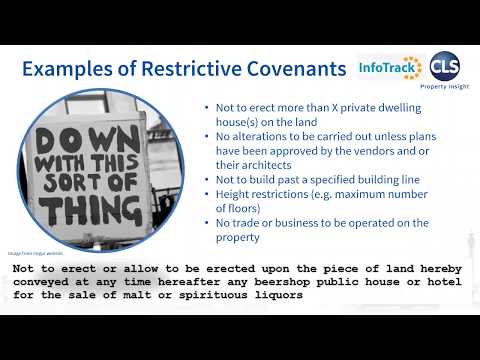
There are two main types of covenants: positive and restrictive. With positive covenants, you’re agreeing to take action. For example, you might promise to maintain a garden or keep certain areas clean. On the flip side, restrictive covenants prevent you from doing something—like building on your driveway or having pets.
Now, let’s say you bought a lovely little house in a quiet neighbourhood. Imagine there was a covenant that says no fences can be built higher than three feet. If your neighbour wanted a six-foot fence for privacy reasons and tried to build one anyway, they could get into trouble because of that rule.
Implications of Covenants
Covenants can have serious implications for property owners. They can affect how you use and enjoy your land. Breaching a covenant might lead to legal action taken against you by those who are affected by it—usually your neighbours or even the original seller of the property.
Let’s picture Sarah moving into her new home only to discover there’s a restrictive covenant preventing her from painting her front door bright pink—something she was super excited about! If she didn’t know about this before buying the house, well, that would be quite frustrating for her!
The Enforceability of Covenants
Not all covenants are enforceable forever; some can become outdated or ignored over time. If too many people in the area break similar covenants without any consequences, those rules might not hold up in court anymore.
A good example here is if everyone had fences taller than three feet for years without anyone complaining—the courts may decide that enforcing the original rule isn’t really fair anymore.
How Are Covenants Created?
Covenants are usually created during property transactions when deeds are drawn up. They need to be clear and well-defined so everyone knows what they’re getting into. While some people might take shortcuts and ignore them, following through with these agreements helps keep harmony in communities.
When you’re looking at properties and see “covenant” mentioned in paperwork or discussions with solicitors, it’s best not to just gloss over it! Understanding what these promises involve will protect you down the line.
In short, understanding covenants is essential for anyone buying property in the UK—whether you’re new to this whole process or just want some clarity on how it all works! So next time anyone mentions them over coffee chats about homes like yours—you’ll know exactly what they mean!
Understanding the Enforceability of Property Restrictive Covenants in the UK
Understanding restrictive covenants can feel a bit like delving into a maze, but once you get the hang of it, you’ll see how they play a crucial role in property law in the UK. Basically, a *restrictive covenant* is an agreement that restricts how a property owner can use their land. They’re often included in deeds and are aimed at maintaining the character of a neighborhood.
First off, let’s talk about enforceability. For a restrictive covenant to be enforceable, it typically needs to meet some requirements:
- Intention: The parties must have intended the covenant to bind future owners. This means it should be clearly stated in the deed.
- Notice: A buyer needs to have notice of the covenant when they purchase the property. If they know about it, they’re likely bound by it.
- Benefit to Land: The person enforcing the covenant must own land that benefits from it. Think of it as needing to have skin in the game.
Imagine you buy a lovely house next to your mate Tom’s place. There’s a nifty little covenant saying no one can build anything over two stories high on their property. That’s meant to keep views nice for everyone! If someone tries to chuck up a three-storey monstrosity next door, Tom could enforce that covenant because he benefits from keeping things lower.
Now there are exceptions too, which is super important! Sometimes these covenants can become unenforceable if:
- The Purpose has Been Achieved: If the original reason for the restriction no longer applies, like if everyone around you has built tall buildings anyway.
- Real Change: If there are significant changes in character or use of an area, what was once enforceable might not hold up.
Say Tom’s neighborhood has transformed into high-rise apartments. His covenant would likely lose its bite since no one really cares about low buildings anymore.
And enforcement isn’t just about calling up your solicitor; it’s also about costs and practicality. Going through courts isn’t always straightforward or cheap! Sometimes parties may just decide to work things out informally rather than taking legal action.
Now if you’ve got ongoing disputes with neighbors over these issues, mediation could be an option as well. That involves bringing in someone neutral to help sort things out without going through courts.
Remember too that **not all covenants are created equal**! Some may be more restrictive than others or might even conflict with local planning laws. So always check what you’re getting into when buying property.
Navigating restrictive covenants can feel daunting at times, especially when emotions run high between neighbors arguing over boundaries and rules—like when Julie down the road painted her fence bright pink against an old agreement for neutral colors! But understanding these legal tools helps ensure you know your rights and obligations as a property owner.
In summary, while restrictive covenants serve important purposes in maintaining community standards and property values, their enforceability hinges on several key factors including intention and benefit to land owners involved.
Understanding the Enforcement of Covenants in the UK: Key Authorities and Processes
Understanding the enforcement of covenants in the UK can feel like a maze sometimes, right? So let’s break it down.
Covenants are basically promises made in property law. They restrict or require certain actions regarding the use of land. These rules can be enforceable by one property owner against another, which is where things get interesting.
Types of Covenants
There are two main types of covenants:
Enforcing these covenants often means taking legal action if someone’s not following through. It might sound a bit intense, but it’s about protecting everyone’s rights.
Key Authorities and Legal Framework
In England and Wales, the Law of Property Act 1925 is crucial. It sets out how covenants work and what enforcement looks like. The relevant sections help clarify who can enforce these covenants and under what circumstances.
Another important point is that for a restrictive covenant to be enforceable, it usually needs to meet some conditions:
And what makes this tricky sometimes is that if you’ve sold your property, certain rights might not come along with it. That’s why having clear deeds and properly worded agreements is so essential.
Court Rulings
When we talk about key authorities, look at significant court cases too. For example, in *Tulk v Moxhay* (1848), the court decided that restrictive covenants could bind successors even if they weren’t original parties to them! This case set a huge precedent for how we understand covenant enforcement today.
If you’re ever facing issues regarding enforcing a covenant—like a neighbour ignoring an agreement—you might consider going to court as your next step. The process often involves seeking an injunction or damages. An injunction basically says “stop doing that” while damages look at financial compensation.
Practical Steps
So here’s what you might want to consider if you feel like enforcing a covenant:
And honestly? Sometimes people just don’t know they’re breaking a rule until they get told! Communication can go a long way before things escalate into legal battles.
So yeah, understanding how enforcement works with covenants lets you protect your property interests better. It can save loads of hassle down the line when everyone knows their rights and obligations!
Covenant property law in the UK can seem like a bit of a maze at first glance. I mean, it’s not just about owning land or property; it’s also about understanding the rules that come with it—kind of like finding out your new house has some quirky rules in the community or something. You might have heard the term “covenant” thrown around without really knowing what it means. It’s basically a promise that you make to your neighbor or even to yourself about how you’ll use your property.
So, let’s say you buy a charming little cottage in some picturesque village. The place is perfect, but then you discover there’s a restriction preventing you from painting your front door bright pink—because, apparently, that would be “distracting.” It sounds trivial but can truly affect how you enjoy your home. Covenants can be positive or negative. Positive covenants require you to do something—like maintain a garden—while negative ones restrict certain actions.
I remember a friend who bought a flat with shared access to the garden. There was this old covenant that stated no one could build anything out there without everyone’s consent. At first, everyone was on board with keeping things as they were, but as time went on and people’s tastes changed, disagreements started popping up over what could and couldn’t be done. It really made me think about how these agreements can connect people but also push them apart when opinions clash.
In practice, knowing what covenants apply to your property is vital. You don’t want any surprises after you’ve moved in and settled down! When buying property, the Land Registry will often have details of existing covenants attached to it. And honestly? It’s always worth while checking those documents carefully before making any commitments.
If you find yourself caught in a dispute over property covenants—like if someone decides to ignore those lovely restrictions—the best course of action is usually to try talking it out first. Maybe compromise could work? Of course, if things get messy and people aren’t willing to budge, legal action might be necessary.
It’s fascinating how these covenants shape our communities while protecting individual interests too! In many ways, they reflect local traditions and values even though they sometimes feel like annoying constraints. So next time you’re captivated by that dream home with just the right shade of door paint (whatever color that may be!), take heed; covenants may play an unexpected role in making it truly yours—or not!


