
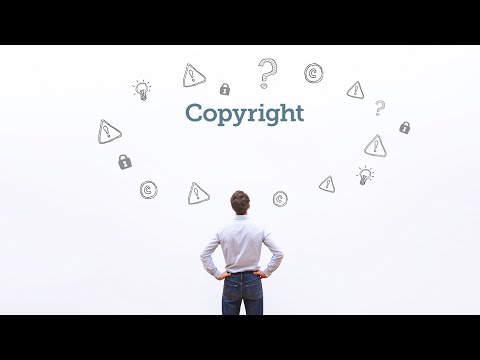
Imagine this: you’ve just poured your heart and soul into creating a catchy song. You’re super excited, right? But then, you see it pop up in a video without your permission. Ugh!
This is where a copyright agent swoops in like a superhero — or at least that’s what it feels like! In the UK, navigating copyright laws can be tricky. It’s like walking through a maze with twists and turns.
The information on this site is provided for general informational and educational purposes only. It does not constitute legal advice and does not create a solicitor-client or barrister-client relationship. For specific legal guidance, you should consult with a qualified solicitor or barrister, or refer to official sources such as the UK Ministry of Justice. Use of this content is at your own risk. This website and its authors assume no responsibility or liability for any loss, damage, or consequences arising from the use or interpretation of the information provided, to the fullest extent permitted under UK law.
A copyright agent helps you understand your rights, making sure your creative works are protected. You know, so that random video maker can’t just snag your jam without giving you credit—or cash!
Let’s chat about what these agents really do and why they matter so much to artists and creators like you.
Understanding Fair Use in UK Copyright Law: Key Principles and Considerations
Understanding Fair Use in UK Copyright Law is a bit different from what you might expect if you’re familiar with other countries like the US. In the UK, we often refer to it as “fair dealing.” So, let’s break this down together.
Fair dealing allows you to use copyrighted material without permission under specific circumstances. Now, you may be thinking, “What are those circumstances?” Well, there are a few key categories where fair dealing is applicable:
- Research and Private Study: If you’re using a small part of a work for non-commercial personal research, that’s usually okay.
- Criticism or Review: You can quote something if it’s for criticism or review purposes—like discussing a book in your blog post.
- Reporting Current Events: Using copyright material when reporting on current events is allowed, but again, there are limits.
- Teaching and Education: Teachers can use certain materials for educational purposes, but it’s got to be reasonable and not excessive.
This doesn’t mean you can just take whatever you want. The “amount and substantiality” of what you’re using matters. If it’s a huge chunk of someone’s work or the most crucial part of it, you could be crossing into dangerous territory.
A little story for context: I once had a friend who wrote reviews on films and used clips from them to illustrate her points. She thought she was doing fine until one day she was contacted by a copyright holder asking her to remove the content because she used too much footage. Lesson learned: fair dealing isn’t just a get-out-of-jail-free card!
You also have to consider “the purpose and character” of your use. Are you doing it commercially or non-commercially? If it’s purely educational or for critique, that leans more towards being fair dealing.
The impact on the market for the original work comes into play too; if your use negatively affects how others would buy that original work, that could create problems for you.
This whole area can get pretty grey and complicated! Sometimes you might think you’re complying with fair dealing principles but still end up in hot water—yes, even with good intentions!
If you’re unsure about whether what you’re doing falls under fair dealing or not, consulting with a copyright agent, who’s familiar with UK law can really help clarify things. They’re like your friendly guides through this maze of legal rules!
In summary, understanding fair use—or rather fair dealing— in UK copyright law hinges on these principles: the purpose of your use matters, how much you’re using counts too, and always think about whether what you’re doing could harm the market for the original work. Stay informed; it’s always better than walking into trouble unprepared!
Comprehensive UK Copyright Services: Protect Your Creative Works Effectively
So, let’s chat about copyright in the UK. You know, if you create something—like a painting, a song, or even a blog post—you want to make sure it’s protected. That’s where copyright comes in. Basically, it gives you control over how your creative work is used by others.
Now, understanding copyright can be a bit tricky. Many people think that just because they created something, it’s automatically protected. But there are nuances. Copyright doesn’t require registration in the UK; it exists as soon as your work is fixed in a tangible form. That means, if you wrote a poem and saved it on your computer, it’s yours from that moment.
But what if someone uses your work without permission? Here’s where having a good grasp of copyright law is crucial. Without taking steps to protect your rights, you might find yourself in a bit of a bind.
This is where **copyright agents** can really shine. They help navigate the complexities of copyright law for you. Think of them as guides on this legal maze, making sure you’re not lost along the way. Here are some important things they do:
- Consultation: They provide advice on how to best protect your creations.
- Registration Assistance: While not always necessary in the UK, they help with any formality if needed.
- Enforcement: If someone infringes on your rights, they can assist in taking action.
- Licensing Agreements: They help you understand how to license your work for others to use while still keeping control.
Let’s say you write a catchy song; it’s pretty awesome! If someone decides to cover it without asking or paying you—uh-oh! A copyright agent would help kick start actions like sending cease-and-desist letters or even pursuing legal action if it comes down to that.
The thing is—navigating these waters solo can be overwhelming and oftentimes confusing. It’s like trying to read the terms and conditions before clicking “I Accept” on a website—who does that thoroughly? Having someone well-versed in copyright law can ease those worries and empower you as an artist or creator.
Remember that protecting your creative works isn’t just about preventing theft; it also helps promote fair use and enriches culture overall! So seriously consider getting some support if you’re venturing into creative projects.
In summary: Copyright is essential for safeguarding what you’ve worked hard to create. Copyright agents are there not just as legal experts but also as partners who walk alongside you through all the complexities—empowering your creativity instead of stifling it!
Understanding UK Copyright Law: Key Principles and Implications for Creators
Understanding UK Copyright Law
Copyright law in the UK is all about protecting your creative work. It’s like putting a lock on your art, music, or writing so that no one can just swipe it without asking. So, if you’re a creator—like an artist, musician, or writer—you want to know how this whole thing works.
First off, copyright automatically comes into play when you create something original. You don’t even have to register it; it’s yours the moment you make it. This could be anything from a song to a painting, or even a novel. The law grants you exclusive rights over your creation.
Now let’s break down some key principles:
- Originality: Your work must be original, meaning it shouldn’t copy someone else’s stuff.
- Duration: Copyright lasts for the creator’s lifetime plus 70 years after they pass away. After that, it goes into the public domain.
- Exclusive Rights: As the owner, you have rights to reproduce your work, distribute copies, and adapt it.
- Moral Rights: These are extra protections ensuring you get credit for your work and can object to any derogatory treatment of it.
Imagine being that musician who writes an incredible song. Suddenly, another artist covers it without your permission! That’s where copyright swoops in to protect you from such misuses.
But what happens if someone violates these rights? Well, you have the power to take legal action against them. This could mean seeking damages or getting an injunction to stop them from using your work.
Let’s chat about copyright agents. They play a vital role in navigating this landscape for creators like you. A copyright agent helps manage and protect your rights by:
- Liaison: Acting as a middleman between you and others wanting permission to use your work.
- Licensing: Helping negotiate licenses for usages of your work—like putting music in ads.
- Monitoring: Keeping an eye out for unauthorized uses of your creations online or elsewhere.
For instance, think about that friend who constantly shares their favorite playlists on social media—it’d be frustrating if someone used their tracks without permission! That’s why having someone knowledgeable in copyright law can help uphold those rights.
But remember: working with a copyright agent doesn’t mean giving up ownership of your creative output. You’re still the owner; they just help manage the complexities around permissions and protection.
In summary, UK copyright law is there to safeguard creators’ hard work while also allowing others to seek permissions respectfully. Understanding how this works will empower you as a creator and help keep those potential violators at bay!
When you think about creativity—like writing, art, or music—it’s easy to see how someone’s hard work deserves some protection, right? That’s where copyright comes into play. In the UK, navigating copyright law can feel like trying to find your way through a maze, especially when it comes to the role of a copyright agent.
So, picture this: you’ve just written an amazing song. You’re excited and want everyone to hear it, but you also don’t want someone else to take credit for your creation. A copyright agent steps in here like a superhero for artists. Their job is to help you protect those precious rights so that if someone tries to steal your tune or use it without permission, they’ve got your back.
Now let’s break it down a bit more. A copyright agent might help with registering your work or licensing it—you know, giving permission for others to use your creation while still keeping ownership of it. They understand the ins and outs of copyright law, which can be pretty complex if you’re not familiar with legal jargon. And trust me, legalese isn’t something most people consider casual reading!
I remember chatting with a friend who is an aspiring author. She was overwhelmed by the whole publishing process and scared someone would take her story. It wasn’t until she spoke with a copyright agent that she felt more at ease. The agent explained not just what they could do for her but also why protecting her work was crucial in today’s digital world where everything spreads like wildfire online.
But let’s be real; being a good copyright agent isn’t just about the rules and regulations. It’s about building trust and developing relationships with clients. They need to listen to artists and understand their vision—because every creative piece tells its own story! So if you’re considering hiring one or working alongside one, look for someone who resonates with your style and values.
And speaking of values, in the midst of all this legal stuff lies something genuinely human: respect for creativity! Copyright agents remind us that every song sung or every painting created carries someone’s heart and soul behind it. So as we navigate this maze together—creators and agents alike—it’s all about ensuring that creativity can thrive safely.
In summary? If you’re dipping your toes into the creative pool or already making waves, understanding how a copyright agent operates can be super helpful in safeguarding what you’ve worked so hard on!


