
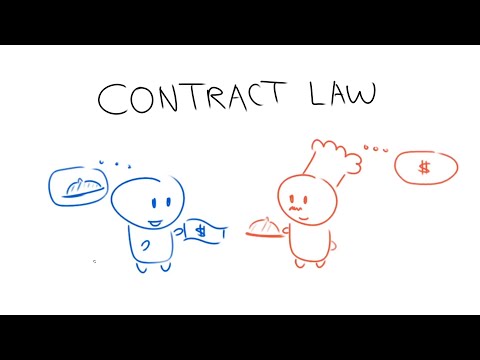
So, picture this: you and your mate decide to rent a flat together. You have a great laugh picking out furniture, but then it hits you—what if things get messy? Who pays for what? What if someone doesn’t pull their weight? That’s where contracts come in.
Now, I know what you’re thinking. Contracts sound like boring legal mumbo-jumbo. But they’re actually like the safety nets of our agreements! They help keep everything clear between both parties.
The information on this site is provided for general informational and educational purposes only. It does not constitute legal advice and does not create a solicitor-client or barrister-client relationship. For specific legal guidance, you should consult with a qualified solicitor or barrister, or refer to official sources such as the UK Ministry of Justice. Use of this content is at your own risk. This website and its authors assume no responsibility or liability for any loss, damage, or consequences arising from the use or interpretation of the information provided, to the fullest extent permitted under UK law.
In the UK, we’ve got some pretty straightforward rules about these things. So whether you’re renting a place or starting a small business with your best friend, understanding these agreements can save you from loads of future headaches!
Understanding Contract Law in the UK: Key Principles and Implications
Contract law in the UK can feel a bit like a maze at times, but when you break it down, it’s really just about agreements between people or businesses. At its core, a contract is simply a legally binding agreement. So, if two parties agree to something and both intend to stick to it, you’ve got yourself a contract.
Key Principles
There are some essential principles that guide all contracts in the UK. Here’s the lowdown:
- Offer and Acceptance: One party makes an offer, and the other party accepts it. Simple enough! Picture this: you want to buy your mate’s old guitar. They say £100 is the price; if you agree, that’s your acceptance.
- Consideration: This means that something of value must be exchanged between the parties. It could be money, services, or even a promise. In our guitar example, your £100 is your consideration.
- Intention to Create Legal Relations: Both parties must intend for their agreement to be legally enforceable. Typically, agreements made in a casual setting (like on a night out) might not meet this standard.
- Capacity: Both parties should have the legal ability to enter into a contract. If someone is underage or mentally incapable of understanding what they’re agreeing to, that contract may not hold up.
- Legality: The agreement cannot involve anything illegal or against public policy. For instance, you can’t make a contract for something illegal like drug dealing.
Now that you know these basics let’s chat about how they play out in real life.
The Implications of Contract Law
Understanding these principles isn’t just academic; they come with real-life implications! If one party fails to uphold their end of the deal—what’s called a breach of contract—there can be consequences.
Imagine this: Suppose you’ve hired someone to build an extension on your home for £15,000 and they’ve just dropped off the radar halfway through. Well, you’ve probably got grounds for action here because they’ve not fulfilled their side of the bargain.
You might look at claiming damages—the idea being that you should be compensated for any losses incurred due to their failure to perform as promised.
Enforceability
Remember though: not every verbal agreement will cut it in court. While some contracts can be informal – like those made over drinks – it’s always safer to get key agreements in writing. It just makes things clearer later on if there’s ever any confusion.
You see? Contract law isn’t just some dry textbook stuff—it affects real life more than you’d think! So understanding how contracts work helps protect you whenever you’re entering into agreements with others.
In summary, knowing these fundamental aspects keeps you informed and empowers you when dealing with contractual relationships in everyday scenarios—be it for buying something simple or engaging in complex business deals!
Comprehensive Guide to UK Contract Law: Downloadable PDF Resource
Contract law in the UK is really quite fascinating. It’s all about agreements made between two or more parties, and how those agreements are enforced. If you’ve ever bought a car or signed a lease, you’ve entered into a contract, whether you realized it or not. Let’s break down the basics, so you can get the hang of it.
First off, what makes a contract valid? Well, there are a few key elements you need to have in place:
- Offer: One party needs to make a clear proposal to another party.
- Acceptance: The other party must agree to the offer as it stands.
- Consideration: This means something of value must be exchanged between the parties; it’s like giving something to get something.
- Intention: Both parties need to intend for their agreement to be legally binding.
- Legality: The contract’s purpose must be legal; you can’t enforce an agreement for something illegal.
Now, imagine this scenario: You decide to buy flowers from your neighbor. You verbally agree on a price. Your neighbor picks and hands over the flowers while you give them money. See? That’s a simple contract based on those elements right there!
Next up is the idea of breach of contract. If one side doesn’t hold up their end of the deal, that’s called “breaching” the contract. For example, if your neighbor decided they didn’t want to sell the flowers after all—well, that’d be frustrating! You might feel cheated and could take steps to seek compensation.
Now let’s chat about something called “terms” of a contract. You’ve got:
- Express Terms: These are clearly stated in the agreement—like when you’re renting an apartment and they say “no pets.”
- Implied Terms: Even if they aren’t written down, some terms can still apply based on law or previous dealings—like assuming someone who sells cars knows their stuff!
Another interesting piece is regarding **written contracts versus verbal contracts**. While many contracts can be made verbally (yep, just like our flower deal!), some types must be written down to be enforceable. This includes property sales and leases over three years.
And let’s not forget about ***capacity***; this means both parties involved should have the legal ability to enter into a contract. For instance:
- If someone is underage (like a teenager), they usually can’t make binding contracts without parental consent.
- If someone is mentally incapacitated at the time of making an agreement (due to illness), that could nullify any contract they tried to create.
So what happens if things go south? If there’s been a breach and something goes wrong, here are some remedies available:
- Damnification: This refers to compensating for losses incurred due to breach.
- Specific Performance: A court order forcing someone to fulfill their part of the bargain—like actually delivering that promised car!
Alrighty then! That gives you an overview of UK Contract Law in everyday terms without getting too bogged down! Understanding these concepts puts you in better shape when entering agreements—whether you’re trading flowers with your neighbor or signing rental leases.
Keep this info handy as you navigate future deals because having an awareness of these principles can really make things smoother for everyone involved!
Understanding Contract Law in the UK: A Comprehensive Guide for Businesses and Consumers
Understanding Contract Law in the UK can feel a bit overwhelming at times, but don’t worry! It’s not as complicated as it sounds. Basically, contract law is the part of law that governs agreements between two or more parties. You might be surprised to know that you’re probably entering into contracts every day without even thinking about it.
So, what makes a contract valid? Well, there are a few key elements:
- Offer: This is where one party proposes something. For example, if you offer to sell your old bike for £100, that’s an offer.
- Acceptance: The other party must accept the offer. If someone agrees to pay you £100 for that bike, they’ve accepted.
- Consideration: This refers to what each party gives up in the agreement. In our example, you give up the bike and they give you £100.
- Intention to create legal relations: Both parties need to intend for their agreement to be legally binding. If it’s just a casual promise between friends, it might not count as a contract.
- Capacity: Both parties should have the legal ability to enter into a contract. For instance, minors (under 18) often can’t legally make contracts.
Now let’s think about those times when things can go wrong—like when someone doesn’t hold up their end of the bargain. Imagine you ordered flowers for a friend’s birthday party and they never showed up! If you had paid for those flowers in advance and they didn’t deliver them on time, this could be called a breach of contract. You’d have some options here—like asking for your money back or possibly even seeking damages.
It’s also important to know that certain contracts need to be in writing. For example, contracts regarding property sales or leases often need formal written agreements because of their complexity.
Another thing worth mentioning is warranty. Sometimes when entering into contracts—especially with consumers—there are implied terms like warranties. If you buy an electronic gadget and it breaks within weeks due to manufacturing defects, that’s where the warranty comes in.
One emotional aspect of this whole thing? Picture this: someone entrusted their savings with a friend who promised high returns through an investment scheme—but then vanished! Trust is huge in contracts; when broken, it can cause real harm beyond just financial loss.
In short—and I really mean short—contract law plays an essential role in protecting your rights whether you’re a business owner or just someone trying to buy a service or product. And understanding how these things work can save you from potential headaches down the line.
Always remember: if something feels off about your agreement or if you’re unsure what your rights are within it, it’s worth getting some advice tailored specifically to your situation!
Contracts are part of daily life, you know? Whether you’re getting a new phone, signing a lease for an apartment, or even agreeing to meet a friend for coffee, those little agreements can be more important than they seem. In the eyes of UK law, a contractual agreement between two parties is like a handshake that seals the deal. But it’s much more than just words; it’s all about obligations and rights.
So let’s break it down. Contracts in the UK can be formal or informal. A formal one might be written, while an informal one could just be verbal. Imagine you agree with your mate to borrow their bike for the weekend. Well, that’s technically a contract too, albeit not in writing! The thing is, even simple agreements can become sticky if things go wrong. Like if you accidentally return the bike with a flat tire and they expect you to pay for repairs.
For a contract to hold water under UK law, there are certain essentials: You need offer and acceptance—basically one person proposing something and the other person saying yes; consideration—that’s something of value exchanged; and both parties must have the capacity to enter into an agreement (like being of legal age).
But what happens when someone doesn’t stick to their end of the bargain? That’s where things can get complicated. You might feel frustrated or even betrayed if you’ve done your part but they haven’t. Here’s where parties often seek remedies through what we call “breach of contract.” It could range from compensation for losses suffered to some form of specific performance where they’re asked to do what they promised.
It’s crucial to remember that not every promise counts as a contract in law; some may lack vital elements or may not hold up under scrutiny in court. Plus, certain types of contracts need special formalities—like those involving property transfers—which can add another layer of complexity.
I once knew someone who entered into a verbal agreement with their landlord about some repairs needed in their flat. They thought everything was settled until the landlord changed their mind later on—turns out those promises didn’t mean much without them being documented properly! Little mishaps like these remind you just how vital it is to cross your T’s and dot your I’s when engaging in any sort of contractual relationship.
In short, understanding contracts is kinda like navigating life itself—sometimes straightforward but often tricky! Having a grasp of what makes them valid helps you protect yourself and ensure that commitments made by both parties hold up over time.


