
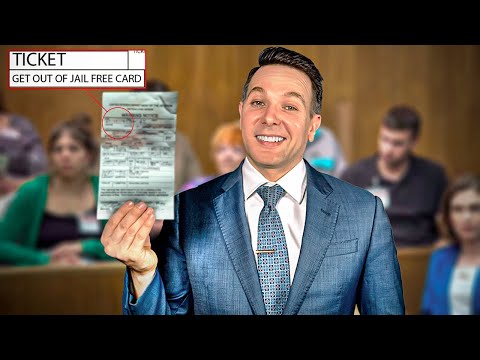
You know that sinking feeling when you see a parking ticket on your car? Like, ugh. Just last week, my mate Mike called me all panicked. He’d parked a little too close to a curb, and bam! A ticket appeared out of nowhere. We laughed about it, but I could tell he was stressed.
So, here’s the deal: parking tickets are annoyingly common in the UK. They pop up when you least expect them and can feel super unfair. I mean, really? Did I park that badly?
The information on this site is provided for general informational and educational purposes only. It does not constitute legal advice and does not create a solicitor-client or barrister-client relationship. For specific legal guidance, you should consult with a qualified solicitor or barrister, or refer to official sources such as the UK Ministry of Justice. Use of this content is at your own risk. This website and its authors assume no responsibility or liability for any loss, damage, or consequences arising from the use or interpretation of the information provided, to the fullest extent permitted under UK law.
But wait—don’t just cough up the cash immediately! There are ways to challenge those pesky fines if you think they’re wrong or unfair. It’s like fighting back against the parking ticket monsters!
Let’s chat about how you can tackle this situation. Seriously, it’s not as daunting as it sounds!
Effective Strategies for Challenging a Parking Ticket in the UK
Challenging a parking ticket can feel like climbing Mount Everest, you know? But the good news is, you can fight back. Here’s what you need to know about effective strategies for challenging a parking ticket in the UK.
First off, take a deep breath and gather your paperwork. You’ll want the original ticket and any other related documents, like photos of the area or signs. Evidence is key here!
1. Check the details
Look closely at the ticket. Is it filled out correctly? Sometimes, errors in things like your car’s registration number or the date can help you contest it. If anything seems off, you’ve got a strong reason to challenge.
2. Understand the rules
Different councils have their own regulations about parking. Familiarize yourself with local signage and parking permits. If there’s no clear indication of where you could park or if restrictions were not visible, that’s something to raise when appealing.
3. Collect evidence
Photographs are your best friends here! Snap pictures of where you parked, any signs nearby, and even your car. This can help prove that there was no violation or that unclear signage led to confusion.
4. Mitigating circumstances
Sometimes life throws curveballs—maybe you had a flat tyre or an emergency that made it impossible to move your car in time. Share these circumstances when appealing; sometimes empathy goes a long way!
5. Use templates wisely
You’ll find loads of templates online for challenging tickets, but make sure to personalize them! Councils might pick up on generic messages and dismiss them quickly.
6. Appeal online or by post
Your council will provide options for how to appeal—often online is quicker—so use whichever method works best for you but stick to deadlines! Keep records of everything sent and received.
You might want to consider seeking advice from local advocacy groups as well; they often have good insights into specific rules in your area.
Lastly, if you’re still unhappy with the outcome after your appeal, remember you can always escalate it beyond the council’s decision—this could involve going through an independent tribunal depending on where you’re located.
But hey! Even if it feels overwhelming at first, don’t let frustration get the best of you—stay calm and focused on gathering all necessary info before making your case!
Top Strategies for Effectively Appealing Your Parking Ticket: Find the Best Excuses
So, you’ve got a parking ticket and you’re thinking of contesting it? First off, don’t panic. You’re not alone; lots of folks have been in this boat. Let’s break down how to effectively appeal your parking ticket in the UK.
When you’re thinking about challenging a parking ticket, there are some solid strategies that can really help. The key is to gather the right info and present your case clearly. Here’s what you might want to consider:
- Check the Details: First things first, make sure all the information on the ticket is correct. Look at things like the date, time, location, and your car’s registration number. If something’s not right, that could be grounds for an appeal.
- Understand the Rules: Familiarize yourself with local parking regulations. Sometimes, signs can be confusing or misleading, or maybe they weren’t visible at all. If you can prove that you didn’t violate any rules, that’s a strong point for your case.
- Gather Evidence: Take pictures! Seriously, document everything related to where you parked and any signs nearby. Clear images showing unclear signage or road markings can bolster your argument significantly.
- Look for Mitigating Circumstances: There might be situations that warrant leniency—maybe you were dealing with an emergency or had a valid reason for being parked where you were. Keep in mind, these need to be legitimate reasons rather than just excuses.
- Use Previous Cases: Research if there have been similar cases where tickets were overturned in your area. If someone else contested successfully under similar circumstances, it adds weight to your own argument.
- Write a Strong Appeal Letter: When drafting your letter (or online submission), keep it polite and concise but firm. Clearly state why you’re appealing and back it up with all those details and evidence you’ve gathered.
Let me share a quick story: A friend of mine once got slapped with a parking ticket outside a busy market because he was just picking up groceries. He took photos showing how his car was actually parked correctly according to the sign—and guess what? His appeal was accepted! It all came down to presenting clear evidence.
Once you’ve submitted your challenge, there’ll usually be a waiting period while they review it. Just hang tight—if they reject it and you’re sure about your case, you can sometimes take it further by appealing through an independent tribunal.
And remember: timing is key! Don’t let deadlines slip by; make sure you’re acting within the time limits set out on the notice.
In conclusion (no fancy words here), if you’ve got good grounds for an appeal—backed by evidence—you’ve got every chance of having that ticket overturned! Good luck!
Valid Reasons to Challenge a Penalty Charge Notice (PCN) in the UK: A Comprehensive Guide
Challenging a Penalty Charge Notice (PCN) is more common than you might think. So, if you’ve found yourself in this situation, don’t worry. You’re not alone! There are valid reasons to contest that parking ticket, and knowing them can really help.
1. Incorrect Details
Sometimes, the PCN may have incorrect details. This could be anything from the wrong registration number to the wrong location. If the ticket doesn’t match your vehicle or where you parked, you might have a solid case to challenge it.
2. Traffic Sign Issues
Ever parked somewhere and noticed a sign that’s hard to see? Maybe it was hidden or badly placed. If you weren’t properly informed about the restrictions, that’s a strong argument for contesting your PCN.
3. Emergency Situations
Imagine this: You park your car and rush off to help someone in an emergency. If you can prove that this was the case—like if someone fell ill—this could be a valid reason for not having adhered to parking regulations. Just make sure you’ve got any supporting evidence handy.
4. Faulty Parking Meters
If you tried paying at a parking meter but it just wouldn’t take your money or kept giving errors, keep that receipt! You can use it as proof when saying “Hey, I tried!” In many cases, councils tend to cancel PCNs if there’s evidence of equipment malfunctions.
5. Blue Badge Holders
If you or someone in your vehicle has a Blue Badge and parked correctly according to regulations linked with it but still received a ticket, don’t hesitate! Those tickets can often be challenged successfully with proof of the Blue Badge.
6. Stopping for Loading/Unloading
If you’re conducting business—like dropping off goods—you should show proof of this activity if called out on parking illegally while loading or unloading. Keep any documents demonstrating this; they can come in handy!
7. Lack of Clear Markings
Sometimes roads aren’t clearly marked to indicate restricted areas, especially in newer developments or changes in road layout without updated signs or markings. If this is applicable, it’s worth mentioning while challenging your PCN.
The process itself? Well, once you’ve identified a valid reason, you’ll need to submit your challenge: usually online or via post depending on where the ticket came from. Just remember to do it promptly! There’s often a set time frame after receiving a PCN within which you must challenge it—don’t miss out on that window!
In short, there are plenty of legitimate reasons why you might contest a penalty charge notice in the UK. Just gather evidence supporting your case and present it clearly when making your appeal! Staying organized will really increase your chances of getting that pesky ticket canceled—it feels good not to pay for something unfairly issued!
Parking tickets can be a real pain, can’t they? I mean, one moment you’re happily running your errands, and the next, you spot that dreaded little slip under your wiper. It’s frustrating! But before you throw in the towel and accept defeat, let’s talk about how to challenge a parking ticket in the UK.
When I got my first parking ticket, I remember feeling so annoyed. There was no way I parked illegally! It turned out there was just a tiny sign that I completely missed. So what did I do? Well, it sparked my interest in how these things work legally.
First off, you gotta know that not every ticket is created equal. If you think it was issued unfairly or if there were mitigating circumstances – like, say, an emergency or unclear signage – you’ve got grounds to challenge it. The thing is, it’s important to gather evidence for your case: photos of the area, any receipts or proof of what happened during your parking stint. These details can really help your argument.
So here’s how it typically goes: once you decide to contest the ticket, you’ll need to check who issued it since different councils have their own procedures. Usually, there’s an official form either online or by post where you can state your case. You might want to explain why you believe the ticket should be canceled and attach any evidence you’ve collected.
After submitting your appeal—the waiting game begins! You’ll either get a notice saying they’ve accepted your appeal or telling you why they stand by their decision. If it’s the latter and you’re still not satisfied? Well, don’t give up just yet! You’ve got more options like an independent adjudicator who can take another look at things.
But hey—if time passes and you find yourself wishing you’d pursued that challenge earlier but put it off? The penalties can increase quickly! So don’t hesitate if you’ve got valid reasons; tackling this sooner rather than later is usually best.
Challenging a parking ticket might feel daunting at first glance, but if you’ve got a solid reason behind it and some good evidence to back yourself up—you could just turn that frustration into a victory. It’s all about standing up for what feels right to you!


