You know that moment when you whip up a brilliant idea? It could be anything, really. Like the ultimate cupcake recipe or a wild new tech gadget. And then someone else snags it? Ugh, the worst feeling ever!
Well, that’s where intellectual property (IP) rights step in. It’s like having a superhero cape for your ideas. In the UK, navigating these rights can feel like trying to solve a Rubik’s Cube blindfolded. Confusing, right?
The information on this site is provided for general informational and educational purposes only. It does not constitute legal advice and does not create a solicitor-client or barrister-client relationship. For specific legal guidance, you should consult with a qualified solicitor or barrister, or refer to official sources such as the UK Ministry of Justice. Use of this content is at your own risk. This website and its authors assume no responsibility or liability for any loss, damage, or consequences arising from the use or interpretation of the information provided, to the fullest extent permitted under UK law.
But it doesn’t have to be! Whether you’re starting a new company or just curious about your rights, getting your head around company IP can save you from some serious headaches down the line.
So grab a cup of tea and let’s unpack this together!
Comprehensive Guide to Intellectual Property Law in the UK: Downloadable PDF Resource
Intellectual Property (IP) is a big deal in the UK. It can sometimes feel like a maze with all the laws and rights floating around. So, let’s break it down, shall we?
What is Intellectual Property?
Basically, IP refers to creations of the mind—like inventions, designs, brand names, and artistic works. If you’ve ever come up with a catchy slogan or designed a cool logo, that’s your intellectual property.
Why Should You Care About IP?
If you own IP rights, you’ve got legal protection over your creations. This means no one else can use your hard work without permission. It’s kind of like having a fence around your garden; it keeps out anyone who tries to take what’s yours.
The Main Types of IP Rights in the UK
There are several key types of IP rights you need to be aware of:
- Copyright: Automatically protects original literary or artistic works. Think books, music, and films.
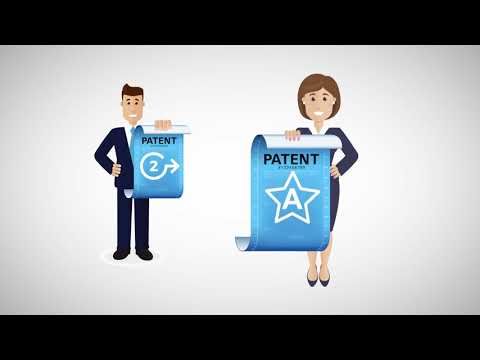
- Patents: They protect inventions for up to 20 years. If you’ve invented something unique—like a new gadget—you’ll want one.
- Trademarks: These protect brand names and logos. If you’ve got a distinctive logo that represents your company, trademark it!
- Design Rights: Protects the visual design of products. This could be the shape of that funky chair you made.
Navigating Your Company’s IP Rights
When you’re running a business in the UK, managing your IP rights is crucial. Let’s face it: getting your stuff stolen or copied isn’t just frustrating; it can also cost you money! Here are some important tips:
- Register Where Necessary: Not every type of IP needs registration (like copyright), but it helps immensely with patents and trademarks.
- Keep Good Records: Document how and when you created something. This can help if there’s ever a dispute.
- Avoid Infringement: Always check if you’re treading on someone else’s toes before launching new products or campaigns.
The Role of Legal Support
Getting legal help may seem daunting but having expert advice can save headaches down the line. They can guide you through registrations or help resolve conflicts if someone misuses your work.
Now, if you want to dig deeper into these topics—or simply have something neat to reference—you might be interested in downloading comprehensive resources available online. Just remember: these guides should complement personal research and proper legal advice tailored to your situation.
In practice, knowing about intellectual property laws might not seem super exciting at first glance—but they’re vital for protecting what you’ve created! Think about that moment when an idea pops into your head; that spark deserves safeguarding!
Understanding VAT Implications on Intellectual Property Transfers and Licenses
When it comes to transferring or licensing intellectual property (IP) in the UK, understanding Value Added Tax (VAT) is crucial. You wouldn’t want any surprises when dealing with taxes, right? Well, here’s the scoop.
First off, let’s get to the basics. VAT is a tax on consumer spending. If you’re in business, you might often find yourself navigating through the complexities of VAT. When it comes to IP transactions, this tax can have significant implications.
If you’re licensing or selling IP—think patents or trademarks—these transactions can generally be considered taxable supplies. That means you might need to charge VAT to the buyer or licensee at the standard rate, which is currently 20%. But hold on; not everything is straightforward.
The thing is, keeping track of these transactions and ensuring compliance can feel overwhelming at times. Seriously. It’s almost like trying to solve a complex puzzle! One moment you think you’re sorted out and then bam—an unexpected tax implication pops up.
An example here could clarify things better: Imagine you’re an app developer who created a brilliant new software program and you’ve decided to license it out for others to use. Depending on how that licensing agreement is structured—like whether it includes ongoing support—it could affect how VAT applies.
Let’s not forget about VAT registration. If your taxable turnover from IP sales reaches a certain threshold (around £85k), you’ll need to register for VAT; otherwise, you’ll face some penalties.
This means keeping an eye on your sales figures and making sure you’re compliant with all regulations—not something anyone particularly looks forward to but essential nonetheless!
A common pitfall? Overlooking contracts during transfer or licensing agreements! Those legal documents should clearly outline whether funds exchanged include VAT. Leaving this ambiguous can lead down a slippery slope of confusion when it comes time for tax reporting.
In short, navigating through VAT implications, especially in terms of transferring and licensing intellectual property rights under UK law can feel tricky at times. Just remember: being informed and organized will help keep your business compliant while running smoothly! Stay proactive about understanding these implications—you won’t regret it later!
Comprehensive Guide to the Intellectual Property Act 2014: Key Provisions and Impact on Innovation
The Intellectual Property Act 2014 in the UK made some important updates to existing intellectual property laws. Essentially, it tweaked several areas to help businesses and creators protect their ideas better. Let’s break it down.
One of the main aims was to improve how patents are applied for and granted. The Act introduced some provisions that aimed to streamline the process, making it quicker and easier for inventors to get their patents. You know, sometimes waiting ages for a patent can really hold back innovation.
Another key change was around design rights. With the introduction of new designs being treated more fairly in terms of protection, designers can now have peace of mind knowing their work is better safeguarded against copycats. For example, if you create an eye-catching product design, you’ve got a stronger backing if someone tries to rip it off.
There’s also a focus on copyright laws, especially relating to music and films. Changes mean that creators have clearer rights over how their works are used by others. This is super important in today’s digital world where content can be shared easily and often without permission. Think about your favorite song: under these rules, artists get more control over its use across different platforms.
The Act also brought about changes related to trademarks. Now, registering trademarks has become less cumbersome, which is great news for startups wanting to secure their brand identity without too many hoops to jump through. Basically, if you come up with a catchy name or logo for your business, protecting it is now easier.
There’s even something called a “report on consultation,” which allows interested parties—like businesses and trade associations—to express what they think about ongoing IP regulations. This means folks in various industries can give feedback on how laws impact them directly.
Finally, all these changes reflect a big push towards nurturing innovation in the UK. The government wants businesses to thrive by ensuring that creators feel secure in sharing their inventions or artistic works without fear of them getting stolen or misused.
However, while this Act has great intentions behind it—encouraging creativity and innovation—it’s essential for inventors and business owners to understand how these laws apply practically. You want to ensure your ideas are protected correctly when you’re putting them out there!
Navigating company IP rights in the UK can feel a bit like walking through a maze. You know there’s a way out, but every turn you take can lead to more twists and turns. Intellectual property (IP) plays a huge role in protecting what makes your business unique. It’s like an invisible shield that keeps your ideas from getting swiped by someone else.
Let’s say you’ve just launched this amazing tech startup. You’ve spent countless nights coding and refining your product, pouring your heart into it, and you want to make sure no one else takes credit for your hard work. That’s where understanding IP rights comes into play. In the UK, these rights cover areas like patents, trademarks, copyright, and design rights, each serving a specific purpose.
Now think about trademarks—they’re basically like the face of your brand. If someone were to mimic your logo or use a similar name, it could confuse customers. Imagine pouring all that effort into building your reputation only to find out someone is benefiting from it without lifting a finger! But if you’ve registered your trademark properly? Well, that gives you the power to put an end to it fast.
Then there are patents. If you’ve invented something truly innovative—a new gadget or process—getting a patent means you’ll have exclusive rights for a certain period. This can be super valuable not just for protecting what you’ve created but also when attracting investors who want to see that unique edge in your business.
Copyright also plays an important role as it protects original works—think music, art, software code—you name it! You wouldn’t want someone else claiming they wrote the song you painstakingly composed or took credit for an article you wrote during a late-night burst of inspiration.
But here’s where things get tricky: not every idea is automatically protected just because it’s yours. There are formal processes involved in claiming these rights, and sometimes they come with costs attached too—like registering patents or trademarks.
And while navigating this landscape might seem daunting at first, there are plenty of resources and professionals willing to help steer you through the process. It might take time and energy to get familiar with everything; however, securing those IP rights is absolutely worth it for the peace of mind they provide!
It’s all about safeguarding what makes your company special—your creativity deserves protection from those who might not appreciate its value as much as you do. So take heart: with some effort and knowledge under your belt about IP rights in the UK, you’ll be well on your way toward keeping those hard-earned ideas safe and sound!