
You know what’s funny? Most people think courts are just like they are in the movies—lots of shouting, dramatic pauses, and that iconic gavel banging. But, honestly, civil court is more about paperwork than courtroom theatrics.
Ever heard of someone fighting over a neighbor’s fence? Yep, that’s a civil case! It can be anything from disputes about money to contracts gone wrong.
The information on this site is provided for general informational and educational purposes only. It does not constitute legal advice and does not create a solicitor-client or barrister-client relationship. For specific legal guidance, you should consult with a qualified solicitor or barrister, or refer to official sources such as the UK Ministry of Justice. Use of this content is at your own risk. This website and its authors assume no responsibility or liability for any loss, damage, or consequences arising from the use or interpretation of the information provided, to the fullest extent permitted under UK law.
Navigating the civil court system in the UK can feel like trying to find your way through a maze blindfolded. Seriously! There’s so much red tape and legal jargon that it makes your head spin.
But don’t worry; we’re going to break it down nice and easy. You’ll get the lowdown on how it all works without any of the nonsense. So grab a cuppa, sit back, and let’s untangle this together!
Understanding the Process of Civil Court Cases in the UK: A Comprehensive Guide
Alright, let’s break down how civil court cases work in the UK. It can seem a bit daunting at first, but once you get the hang of it, it’s much simpler than it seems.
First off, **what’s a civil case?** Well, it’s not about crime or anything like that. It’s when someone feels that another person or business has wronged them. You know, things like disputes over contracts, property issues, or personal injuries—that sort of stuff.
Now let’s get into the **process** itself. It usually goes something like this:
1. Pre-Action Stage
Before you even think about going to court, there’s this initial stage. You’ve gotta try to resolve things without getting the judges involved first. It’s not just polite; it can help save everyone time and money! You might send a letter before action, asking the other party to settle your dispute.
2. Starting Your Claim
If things don’t get sorted out, then you can file your claim. This means filling out a form and sending it to the right court along with a fee—yeah, there’s always a fee! The amount depends on how much money you’re claiming.
3. The Claim Form
When you file your claim, make sure to fill out the Claim Form accurately. This document outlines what you’re asking for and why you think you’re right.
4. Serving the Claim
After you’ve filed your claim, it’s time to serve it to the other party—this basically means giving them a copy of everything you’ve sent to the court.
5. The Defence
Once they receive your claim, they have a limited time to respond with their defence—like saying why they don’t think they’re at fault.
Now here comes an important part: depending on how serious your case is (like if it’s under £10K), you might be looking at something called small claims track or fast track—these are generally less formal and way quicker!
6. Directions Questionnaire
If both sides are still going forward with it after responses are exchanged, you’ll fill out something called a Directions Questionnaire. This helps the judge understand what issues need sorting out and sets up timelines for moving forward in court.
7. Court Hearing
Finally! You arrive at court for your hearing (if it gets that far). Both parties present their cases—a bit like being in a school debate—but with legal rules! A judge will listen and then decide who wins based on evidence presented.
So after all these steps comes The Judgment. Here’s where the judge makes their decision and tells everyone what they reckon should happen next.
You know what? Sometimes people don’t even need to go through all these steps if they can settle outside of court—I mean who really wants to wait ages for resolution?
In some cases where things get complex with lots of evidence or witnesses involved, it might take longer than expected—so keep that in mind!
Overall though? Just keep communication open between parties when possible; sometimes that’s all it takes to find common ground before hitting those courtroom doors!
If you’re caught up in this process someday? Remember: staying organized helps tons! And having someone experienced guide you—or even just ask questions—is never a bad shout either!
So there you have it—a friendly rundown of civil court procedures in the UK! It’s quite an experience but knowing what to expect makes life way easier as you navigate through those legal waters!
Comprehensive Guide to Civil Procedure Rules in the UK: Understanding Legal Framework and Applications
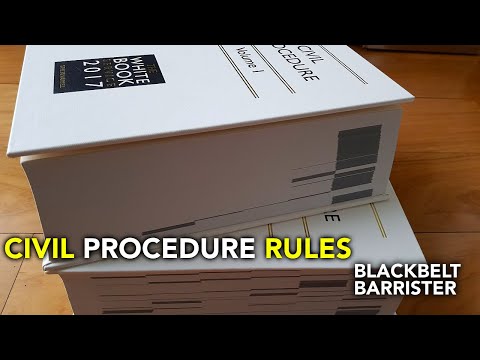
Understanding the Civil Procedure Rules (CPR) in the UK can feel a bit overwhelming at first. These rules are designed to provide a framework for civil court proceedings, making sure everything runs smoothly. Basically, they set out how things work when you’ve got a dispute that needs legal resolution. Let’s break this down.
So, the CPR came into effect in 1999. Its main goal? To make civil justice accessible and efficient. The rules apply to cases in England and Wales, with separate rules for Scotland and Northern Ireland. You follow me?
Structure of the CPR
The CPR is split into several parts, each dealing with different aspects of the civil court process:
- Part 1: This is all about the general principles that guide how cases are handled.
- Part 2: Here’s where you find information on the court’s powers to manage cases.
- Parts 3-5: These parts focus on starting a case, serving documents, and time limits. For example, you must start your claim within specific timeframes or risk losing your right to claim.
- Part 6: It deals with how you serve documents—basically, informing someone about legal actions against them.
- Part 7: This part covers how to begin claims and what information must be included in your claim form.
- Parts 8-12: These sections go into detail about different types of claims like possession claims or judicial reviews.
This structure helps ensure that everyone knows what’s expected at each stage of a civil case. It’s like having a roadmap for navigating through the legal system!
The Importance of Pre-Action Protocols
You know what? Before even stepping foot in court, there are these things called pre-action protocols. They encourage parties to communicate before litigation begins. It’s kind of like saying, “Let’s talk it out before we get lawyers involved.” Not only does this save time and money, but it can also help maintain relationships between parties!
If you’re considering taking someone to court but haven’t tried resolving things informally first? Well, you might be required to show you’ve followed these protocols when you eventually file your claim.
The Role of Case Management
A big part of the CPR is case management. Once a case is underway, courts have powers to manage it effectively. This means they can set deadlines for submissions or even decide whether certain evidence will be permitted! You wouldn’t want your evidence tossed out over some procedural error—trust me on that one!
This aspect ensures that cases don’t drag on longer than necessary. It keeps everything focused and efficiently moving along.
Breach of Procedure and Costs Consequences
If you don’t stick to these rules? Well, there could be consequences! Courts take breaches seriously. Not following procedures may lead you to lose your case or incur additional costs—like paying for your opponent’s legal fees because you didn’t play by the rules.
This can feel quite harsh if you’re just trying to navigate through unfamiliar waters, so always check which procedures apply!
A quick story here: I once heard about someone who thought they could just show up at court without filing any paperwork beforehand; needless to say, they were promptly shown the door! Save yourself the hassle by getting familiar with these rules from day one!
Conclusion
You see? Understanding the Civil Procedure Rules is crucial for anyone looking at bringing or defending a civil claim in UK courts. Knowing which forms to fill out and what deadlines matter can mean all the difference between winning or losing your case—or having it dismissed outright!
If you’re ever unsure about specifics? It might help reaching out for some legal advice—it could save you tons of headaches down the line! So take it step by step; you’ll get there!
Understanding the Structure of the Civil Court System in the UK: A Comprehensive Overview
The civil court system in the UK can feel pretty complicated at first. It’s like a maze, but once you get the hang of it, it makes sense. Basically, civil courts deal with legal disputes between individuals or organizations. These disputes can cover anything from contract issues to personal injury claims.
So, let’s break down the structure of the civil court system in a way that’s easy to digest.
At the top of the hierarchy, we have the Supreme Court of the United Kingdom. This is where you go if you’ve exhausted all other options and need a final say on a case that’s significant enough to make its way up there. Decisions here set important precedents for lower courts to follow.
Then, below that comes the Court of Appeal. This court hears appeals from lower courts and is split into two divisions: Civil Division and Criminal Division. For civil cases, if you’re unhappy with how one went down in a High Court, this is your next stop.
Next in line are the High Courts. They deal with serious civil cases and can also hear appeals from lower courts. The High Court has three divisions itself:
- The Queen’s Bench Division, which handles personal injury claims, defamation cases, and other similar issues.
- The Chancery Division, focused on business law, trusts, and property disputes.
- The Family Division, which deals with family matters like divorce or child custody.
After that, we have The County Courts. They handle a lot of everyday civil cases—think small claims or landlord-tenant disputes. Most people will first encounter these courts when they’re dealing with issues like unpaid debts or disagreements over contracts.
Now, there are also some specialized courts you might want to know about:
- The Technology and Construction Court (TCC), specializes in construction-related disputes.
- The Commercial Court, which handles complex commercial cases.
- Family Courts, which operate separately from other courts when it comes to family-related issues.
So why does understanding this structure matter? Well, knowing where your case fits helps you figure out how to proceed and what rules apply. For example, if you’re dealing with something straightforward—like a small claim—you probably won’t find yourself wandering into the High Court.
One important note: while most civil matters can be sorted without needing lawyers by using County Courts for lower-value claims, having good legal advice is always beneficial for more complex situations. It’s kind of like having a map in that maze I talked about earlier; it makes navigating everything far less stressful!
In summary, understanding the UK civil court system involves getting familiar with its hierarchy—from the Supreme Court all the way down to County Courts—and knowing where specific types of cases belong within this framework. The more you know about where to go and who does what, the better prepared you’ll be if you ever find yourself needing legal assistance!
Civil court procedures in the United Kingdom can feel super complicated, right? I mean, just thinking about it can make your head spin. But at the heart of it all, civil court is where disputes between people or organizations get settled. And when you break it down, there are steps that make the whole process a bit clearer.
You know that time when your friend borrowed your favorite book and never returned it? You ask them to give it back a few times, but they keep dodging you. You might think, “Well, I could take this to court.” That’s basically how civil disputes work. You start by trying to resolve things informally but if that doesn’t work out, here’s where things kick off in the court system.
First up is filing a claim. Think of it like knocking on someone’s door and saying, “Hey, I need you to listen.” You fill out some forms (which can feel like a real chore) and submit them to the relevant court along with any fees. After that? The other party gets their chance to respond. This is called the “defence.” They might admit they owe you that book or come up with excuses about why they haven’t returned it yet.
Then comes what’s called “case management.” It might sound fancy but really, this stage helps ensure everything runs smoothly. It sets timelines and outlines what needs to happen next—like scheduling hearings or asking for evidence.
Speaking of evidence! Both sides will gather whatever they need—documents or even witness statements—to support their case. It feels just like preparing for a big presentation at school where you want every detail perfect.
After all that prep work, there will usually be a hearing in front of a judge who listens to both sides before making a decision. It’s intense! Imagine sitting there waiting for the verdict on whether you’ll finally see your book again.
And let’s not forget about appeals; if things don’t go your way at first—like if your friend somehow convinces the judge you don’t really need the book—you have options! You can appeal the decision if you genuinely think something went wrong during the process.
All said and done, civil court procedures have their own rhythm and flow. It’s designed to provide fair resolutions without getting too messy, even though they can be pretty daunting from afar. I’ve seen people stressed just thinking about going through this process! But once you understand each step involved and keep an eye on communication, it seems more manageable. So next time there’s a dispute in your life that feels too big to handle alone—well now you’ve got an idea of what happens behind those courtroom doors!

