
You know what’s wild? If you’re ever stuck in a legal mess, the Circuit Court might just be the superhero that swoops in to save the day. Seriously!
A while back, my mate Jack found himself in a bit of trouble over a dispute with his landlord. He didn’t think it was a big deal at first. One minute he was just trying to get his deposit back, and the next, bam! He was facing a court case.
The information on this site is provided for general informational and educational purposes only. It does not constitute legal advice and does not create a solicitor-client or barrister-client relationship. For specific legal guidance, you should consult with a qualified solicitor or barrister, or refer to official sources such as the UK Ministry of Justice. Use of this content is at your own risk. This website and its authors assume no responsibility or liability for any loss, damage, or consequences arising from the use or interpretation of the information provided, to the fullest extent permitted under UK law.
That’s when he learned about Circuit Courts. They handle loads of stuff—from family feuds to contract dramas. It’s like the go-to place when you need some serious help sorting out your legal issues. So, let’s chat about what these courts do and why they matter in our everyday lives! Sound good?
Comprehensive Guide to the Courts in the UK: Locations, Types, and Functions
Sure, let’s talk about the Circuit Courts in the UK. These courts play a pretty important role in the legal system. They’re kind of like the middlemen between the lower level courts and the higher courts, you know? Here’s a closer look at what they do and where you can find them.
Locations
You’ll find Circuit Courts located throughout England and Wales. They’re not in every town but are usually situated in larger cities. It’s all about accessibility, really. Some well-known locations include:
- Birmingham
- Manchester
- Cardiff
- Leeds
- London, of course!
These courts might share buildings with other lower courts too, which can be convenient if you’re ever involved in a case.
Types of Cases
So, what kind of cases do these Circuit Courts handle? Well, they deal with serious criminal cases and civil disputes—anything from personal injury claims to contract disputes. Basically, if something’s too big for a magistrate’s court but not quite serious enough for the High Court, it might end up here.
The thing is, Circuit Judges are typically more experienced than those found in lower courts. They have a wealth of knowledge and make calls on cases that can really impact lives. For example, let’s say someone has an injury claim after a car accident—it will likely be heard here rather than bouncing up to a bigger court right away.
Functions
When it comes to functions, Circuit Courts do a bit more than just hear cases. They also have some important responsibilities like:
- Deciding Appeals: If someone isn’t happy with a decision made by a lower court (like a County Court), they can appeal to a Circuit Court.
- Civil Cases: Like mentioned before, these can involve anything from family matters to commercial issues.
- Crown Court Functions: In criminal matters, if someone is accused of serious crimes like robbery or fraud, their case could be tried here as well.
It can be pretty intense when you’re there watching how it all unfolds; judges making decisions that change lives while lawyers passionately argue their points.
The Process
Going through the Circuit Court process isn’t overly complicated but does require some steps. After filing your case or appeal:
1. You’ll get dates for hearings.
2. You might need to gather evidence or witness statements.
3. Finally, there’s usually an outcome delivered after some deliberation from the judge.
It really helps to have good representation during this process; having someone knowledgeable on your side is often key!
Overall, Circuit Courts play such an essential role within our legal framework here in the UK. Whether it’s about navigating tricky personal injury claims or determining serious criminal charges—these courts handle it all with care and expertise! If anything else piques your curiosity about this topic or any related ones, feel free to ask!
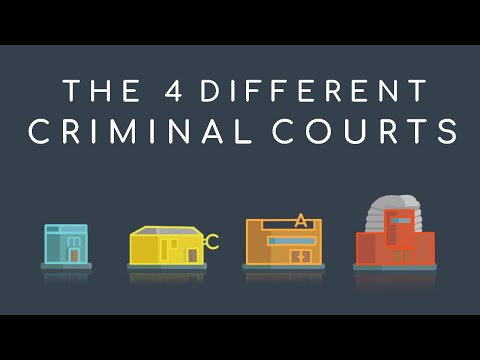
Understanding the Four Types of Courts in the UK: A Comprehensive Guide
It’s really interesting to think about how the UK legal system is structured, especially when it comes to its courts. You might be surprised, but there are various types of courts that serve different purposes. Let’s break them down.
1. Magistrates’ Courts
These are where the majority of criminal cases start. They handle less serious crimes—think minor assaults or traffic offences. Notably, they’re also responsible for family matters like child custody. The important thing is that most cases don’t require a jury here; just a bench of magistrates who decide the outcome.
2. Crown Court
When cases are too severe for the magistrates’ courts, they’re sent to the Crown Court. Here’s where you see serious crimes like robbery or murder being dealt with. Just like in movies, this court has juries that listen to evidence and come up with a verdict. It can feel pretty intense, you know? I remember watching a documentary about a Crown Court trial—it was gripping!
3. County Courts
Now we move on to civil matters! County Courts handle disputes between individuals or businesses that aren’t criminal in nature—like contract issues or personal injury claims. For instance, if someone slips on a wet floor in a shop and sues for damages, that would likely go through a county court.
4. High Court
Lastly, there’s the High Court, which is basically where more complicated civil cases end up along with serious appeals from lower courts. There are three divisions here: Queen’s Bench (for disputes and damages), Chancery (focused on business law and wills), and Family (yup, you guessed it—family issues). It’s kind of like VIP treatment for really significant cases!
And then there’s the **Circuit Courts**, which play an essential role too! They sit below the High Court but above County Courts in terms of seriousness.
So what do Circuit Courts do? Well, they mainly deal with criminal cases that have been sent from the magistrates’ courts but are not serious enough for the Crown Court—almost like a middle ground!
You can see how each type has its own area of expertise and jurisdiction! This hierarchy ensures that everything is adequately handled according to its complexity and seriousness.
Understanding these distinctions helps clarify how justice is administered in different scenarios across England and Wales—it’s all interconnected yet distinct at the same time!
Understanding the Structure and Function of the UK’s Judicial System
Alright, let’s talk about the UK’s judicial system. It’s a bit like a big, complicated tree with different branches. One of those important branches is the Circuit Courts, which play a key role in our legal landscape.
So, you might be thinking, what exactly are Circuit Courts? Well, these courts are part of the crown court system. They handle serious criminal cases and some civil matters. Basically, if something is too weighty for the smaller magistrates’ courts, it gets passed up to the Circuit Courts.
Now, each Circuit Court covers a specific geographical area. For instance, if you’re living in Liverpool, your local Circuit Court will be serving that region. This local connection helps people feel more comfortable navigating their legal issues right where they live.
- Circuit Judges: These judges are pretty crucial. They’re appointed to hear cases in these courts and can deal with everything from serious theft to some family law disputes.
- Appeals: If you’re unhappy with a decision made by a magistrate’s court, you can appeal to a Circuit Court. It’s like having another shot at getting things right.
- Jury Trials: Some cases in Circuit Courts involve juries. You know how you see that drama on TV? Well, juries of ordinary folks get to decide on certain crimes—like whether someone is guilty or not.
You follow me? The thing is, these courts don’t just deal with criminals; they also take care of civil cases such as personal injury claims or contract disputes. So whether someone slipped on your sidewalk or you need help resolving an argument over money owed—hey, that’s where the Circuit Courts come in!
A little anecdote here: imagine Lucy had an accident at work because her employer didn’t fix broken equipment. She felt lost and unsure about her rights. After some guidance (and maybe a nudge from friends), she filed her claim in one of those Circuit Courts. This opened up doors for her to get compensation and set things right again.
Circuit Courts are essential because they help lighten the load for higher courts too—like the High Court or even the Court of Appeal—by tackling many cases that might otherwise pile up there.
The judges here usually have years of experience under their belts; some have even been barristers before they donned their judge robes! That level of expertise helps ensure justice is served well and fairly.
So yeah, understanding where Circuit Courts fit within this broader judicial structure makes it easier for you to navigate any legal situations that might come your way. Whether it’s for criminal charges or civil claims, knowing how these courts work can give you some peace of mind!
Circuit courts play a pretty vital role in the UK legal system, serving as the backbone for many civil and criminal cases. You see, they make justice accessible to more people, which is essential when you think about it. Instead of everything funnelling through the High Court, circuit courts help ease that pressure. It’s like having multiple lanes on a highway instead of just one.
I remember hearing about a case where a family was trying to resolve a housing dispute. They couldn’t afford the costs associated with getting everything sorted in a higher court. Luckily for them, it ended up in their local circuit court. The proceedings were less intimidating, and they got a resolution that felt fair to them without breaking the bank. That’s one of those moments where you really see how these courts can directly impact people’s lives.
Now, let’s break it down a bit more! Circuit courts handle not just serious criminal cases but also significant civil matters like personal injury claims and contract disputes. They’re often seen as more approachable than higher courts, which can feel daunting if you ever have to step inside one.
But there are some catch-22s too. The judges here are usually quite experienced; however, they’re still under pressure with workloads that sometimes feel unmanageable. This can lead to longer waiting times for hearings or decisions than we’d all hope for.
Another thing worth mentioning is how circuit courts also serve as important training grounds for judges new to the bench. This means that not only are they helping your average Joe or Jane get their day in court, but they’re also shaping the future of our judiciary.
In short, circuit courts offer something invaluable: access to justice without all the fuss of higher-level courts. They enable people to have their voices heard and can really make a difference in communities across the UK every day—just like in that housing dispute I mentioned earlier!


