
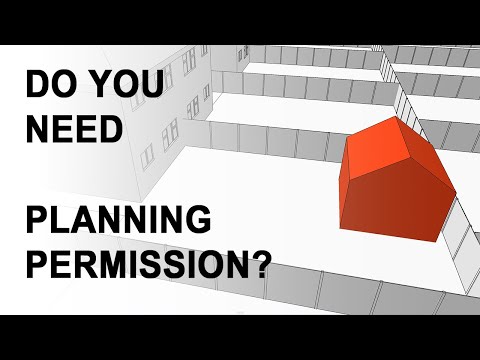
Ever tried to build a shed? You know, just a little bit of DIY magic in the garden? Well, imagine this: you’ve got your tools, your wood, and your excitement soaring. Then boom! You find out you need some sort of official permission. What a buzzkill!
Building control for outbuildings is like that friend who shows up uninvited to your party. You really didn’t plan for it, but they’re there anyway and you have to deal with it.
The information on this site is provided for general informational and educational purposes only. It does not constitute legal advice and does not create a solicitor-client or barrister-client relationship. For specific legal guidance, you should consult with a qualified solicitor or barrister, or refer to official sources such as the UK Ministry of Justice. Use of this content is at your own risk. This website and its authors assume no responsibility or liability for any loss, damage, or consequences arising from the use or interpretation of the information provided, to the fullest extent permitted under UK law.
So let’s chat about what it all means. Whether it’s a shed, summer house, or something fancier, figuring out building control doesn’t have to be a nightmare. Trust me on this one! We’ll break it down together.
Essential Guidelines for Outbuildings in the UK: Planning Permissions and Regulations Explained
Building an outbuilding in your backyard, like a shed, garage, or maybe even a home office, can be pretty exciting. But, before you grab those tools and get to work, there are some important things you need to know about planning permissions and regulations in the UK. Seriously, getting this right can save you a world of trouble later on.
First off, not every single outbuilding needs planning permission. If your structure is within certain limits, you might not have to deal with all that red tape. Here are a few key points to consider:
- Size matters: If your outbuilding is under 2.5 meters tall and isn’t closer than 2 meters from your boundary, you’re generally in the clear for planning permission.
- Usage: You can’t just decide to put in a living space without checking first. Outbuildings must serve a purpose related to the main dwelling, like storage or hobbies.
- Location counts: Outbuildings in front gardens usually need permission. It’s all about keeping that aesthetic vibe for the neighborhood!
- Materials make a difference: Using materials that match or complement your home helps keep things within guidelines.
- Listed buildings and conservation areas: If your home is listed or you live in a conservation area, expect more scrutiny over any changes.
Now let’s talk about how building control fits into all this. Once you’ve sorted out permissions where necessary, you’ll likely need to comply with building regulations. These are laws designed to ensure safety and energy efficiency among other factors.
You might hear terms like “approved documents” float around when discussing building regulations. They cover various aspects—from structural integrity to fire safety—so it’s worth taking the time to read up on them. If you’re thinking of doing electrical work or set up plumbing in your outbuilding, you’ll definitely want to meet these standards.
Consider this: imagine you’re planning on using that new shed as an office space but forget about insulation requirements and electrical safety checks! Suddenly it feels less like an exciting project and more like a potential disaster waiting to happen.
So here’s what you should do next:
- Check local council rules: Every area has its quirks when it comes to building regulations.
- If unsure: Engage with professionals! Even chatting with someone at your local council can clarify what’s needed.
- Keeps records: Document everything from permissions granted to inspections passed—this could save your future self some headaches.
And look—while it’s easy to feel overwhelmed by paperwork and rules, remember that this process is here for everyone’s benefit; ensuring structures remain safe and suitable for living amidst our beautiful landscapes.
In summary? Before rolling up those sleeves, make sure you’ve checked off these essential guidelines regarding planning permissions and building regulations for your outbuilding project. It’s totally worth it!
Understanding the Largest Outbuilding Allowed Without Planning Permission in the UK
When it comes to building outbuildings in your garden, knowing the limits can save you a lot of headaches. In the UK, there are specific rules around what you can build without needing **planning permission**. It’s all about understanding the limits and knowing when you might need to check with your local council.
First off, let’s chat about the size. Generally speaking, the largest outbuilding you can build without planning permission is up to **2.5 meters in height** if it’s within 2 meters of your property boundary. If it’s further away from your boundaries, then it can be a bit taller—up to **4 meters** if it has a dual-pitched roof. The thing is, you have to be mindful of whether you’re in a conservation area or a listed building site because those rules can change everything!
Also, keep in mind that outbuildings aren’t allowed to take up more than 50% of the land around your original house. So if you’ve got a tiny garden, then you’re quite limited!
Now let’s get into some specifics:
- Size Limits: As mentioned earlier, 2.5 meters tall if close and up to 4 meters tall when further away.
- Use: These structures should be for personal use—think sheds, studios, or greenhouses—not for commercial activities.
- Materials: They should generally match or complement your home; using materials that clash could raise eyebrows.
I remember my friend Lucy had this amazing idea for a little home office in her garden but was completely unaware of these limits at first. She was excited about getting started right away until she found out that planning permission would be needed because her planned design exceeded the height restrictions near her boundary fence. That little setback made her rethink things but ultimately led her to create an even better space!
Another point worth mentioning is that while most outbuildings don’t need planning permission, they still have to comply with building regulations. This means ensuring they meet safety standards regarding structure and electrical installations—so keep that in mind if you’re thinking about wiring things up.
Lastly, if you’re not sure whether what you’re planning falls under these rules or not? Just ask! It’s always best to reach out to your local council for some clarity before breaking ground. It will help avoid any nasty surprises down the road.
In summary, knowing these boundaries helps you make informed decisions about outbuildings without getting tangled in red tape later on.
Essential Building Regulations for Garages in the UK: A Comprehensive Guide
Navigating the world of building regulations for garages in the UK can feel a bit overwhelming, you know? But understanding what’s required is super important if you want to avoid any future headaches. Let’s break down the essential building regulations you should keep in mind.
First off, planning permission is a biggie. Most garages don’t need it if they meet certain criteria. For instance, they must be less than 2.5 meters high if they’re within 2 meters of a boundary. If you’re planning something more than that, say hello to your local planning authority! They’ll help guide you through whether permission is needed.
Now, onto building regulations. This is where safety and construction standards come into play. You’ll want to ensure your garage follows these guidelines so it’s safe and sound. Key areas include:
- Structure: Your garage needs to have a solid structure—think walls that won’t collapse and roofs strong enough to hold up against weather.
- Fire safety: If your garage is attached to your home, it needs to have proper fire-resistant materials. This helps keep flames contained in case of an emergency.
- Ventilation: Garages can get stuffy or filled with fumes from vehicles or tools. Proper ventilation ensures fresh air flows through.
- Damp proofing: Preventing moisture from coming in is key—it can lead to mold and damage over time.
- ELECTRICAL SAFETY: If you’re adding any sockets or lighting, the electrical work has to be done by a qualified electrician or comply with strict safety guidelines.
You may wonder about insulation. While it’s not always mandatory for garages, adding insulation can help control temperature if you’re using your garage as a workspace or studio.
Consider this: some folks think their garage will just sit there unused! But what if one day you decide to turn it into a workshop or gym? Having basic amenities like heating or lighting installed during construction makes life way easier down the line.
Lastly, we should touch on waste disposal. When constructing or renovating your garage, it’s crucial to plan how you’ll deal with debris and leftover materials properly.
Don’t forget about those pesky local authorities. They’re there for guidance and enforcement of these regulations. It doesn’t hurt to reach out early on in the process—they might even have specific rules just for your area!
So yeah, ensuring that your garage complies with UK building regulations isn’t just about ticking boxes—it’s about making sure that space works well for you while keeping everything safe and sturdy! Keep this info handy as you plan things out. It’ll save you loads of stress later!
So, you’ve got this idea for an outbuilding, right? A lovely little garden office or maybe a cozy workshop where you can tinker away on your latest project. Sounds great! But wait—before you grab those tools and start hammering away, there’s a bit of a legal maze to navigate in terms of building control in the UK.
You might think, “Hey, it’s just a shed!” Well, yeah. But here’s the thing: even small structures often need to comply with specific building regulations. It’s not about making life difficult; it’s more about safety and ensuring that everything’s up to standard. Imagine putting all that effort into building something only to find out later that it doesn’t meet the rules and you have to tear it down! Ouch.
There are different factors at play too. The size of your outbuilding matters. If it’s not over a certain height or if you’re keeping it within specific boundary lines, you might be off the hook from needing full planning permission. But don’t count on it just yet—you still need to check local guidance. Each council has its own quirks concerning what they allow.
A friend of mine once decided to build a small studio at the back of her house without checking any regulations first. She was all excited like a kid with a new toy! A few weeks in, some local officers spotted her project and, well… let’s just say she spent more time dealing with paperwork than enjoying her new space. It’s one of those situations where hindsight really is 20/20.
So if you’re thinking about taking the plunge into building an outbuilding, take a moment to do your research first —it’s such an easy step that can save you from headaches down the road. Visit your local council’s website or give them a quick call; they usually have friendly staff who can help guide you through what’s needed for your project.
And remember: navigating building control is all part of creating something special! It might seem daunting at first, but once you’re through it, you’ll be set up for success—and who knows? You might just end up with that perfect garden retreat you’ve always dreamed about!


