
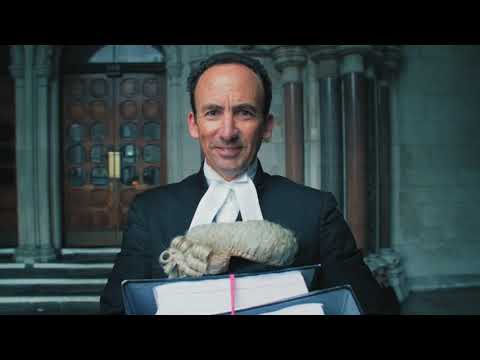
So, picture this: you’re enjoying a casual chat over coffee, and suddenly your friend drops a bombshell. “Did you know that barristers in the UK are like superheroes? Seriously!”
Well, it’s true! They’ve got this unique outfit—those fancy wigs and robes that make them look all official and stuff. But behind the quirky get-up, there’s so much more to them.
The information on this site is provided for general informational and educational purposes only. It does not constitute legal advice and does not create a solicitor-client or barrister-client relationship. For specific legal guidance, you should consult with a qualified solicitor or barrister, or refer to official sources such as the UK Ministry of Justice. Use of this content is at your own risk. This website and its authors assume no responsibility or liability for any loss, damage, or consequences arising from the use or interpretation of the information provided, to the fullest extent permitted under UK law.
Now, let’s talk about Ben Keith. This guy isn’t just any barrister; he’s got a wealth of knowledge about UK legal practice. No joke! Whether it’s navigating tricky cases or understanding the ins and outs of the law, he’s your go-to.
And trust me, if you ever find yourself tangled up in something legal (let’s hope not!), having someone like Ben on your side could make all the difference. So grab a seat; we’re gonna explore what makes him stand out in the world of law!
Unveiling the Highest Paid Barrister in the UK: Salary Insights and Career Highlights
So, let’s talk about the highest paid barrister in the UK—Ben Keith. Now, this is a name that’s got some buzz in the legal circles, you know? His reputation isn’t just built on luck; it’s due to hard work and impressive cases he’s been involved in.
First off, here’s a little insight into his salary. It’s said that Ben Keith can earn upwards of £2 million a year. That’s not pocket change! But how does one even reach those heights? Well, it comes down to several factors.
- Specialisation: Ben is known for his expertise in complex commercial litigation and serious crime. Specialising like this can pull in substantial fees.
- Reputation: Being one of the best means you get high-profile clients willing to pay top dollar for your services.
- Experience: Years spent honing his craft make him someone people trust when stakes are high.
Now, think about all of this like climbing a mountain—it takes years of training and perseverance. Take Richard, for example. He started off as a junior barrister taking on small cases, working late nights and weekends just to prove himself. Over time, he built his skills until he was able to handle more complex cases and eventually landed some high-profile clients.
Another big part of why Ben Keith is where he is today relates to constantly being on top of legal developments. Laws change frequently, and keeping up is crucial. Imagine trying to navigate without knowing where you’re going; it’s similar without the right legal knowledge.
What’s also interesting is how barristers make their money. They typically charge hourly rates or fixed fees based on their experience and expertise level. Given Ben’s standing in the field, he’s likely able to command significantly higher fees than others starting out.
Of course, being at the top isn’t all roses—there’s immense pressure involved too! High expectations come with big salaries; clients are counting on you when their livelihoods might hang in the balance.
On top of everything else, networking plays a huge role too! Knowing the right people can lead to referrals that keep your practice busy—and that often brings even more financial success.
So yeah, while it seems all glamorous from afar with big numbers thrown around, there’s so much hard work behind every successful barrister like Ben Keith. It really shows how determination mixed with skill can lead someone from humble beginnings right up to being one of the highest paid professionals in legal practice today!
Understanding the Key Differences Between Lawyers and Barristers in the UK
Understanding the key differences between lawyers and barristers in the UK can be a bit tricky, especially if you’re not familiar with the legal lingo. But don’t worry, I’ve got your back! Let’s break it down into simple terms.
So, first off, in the UK, when people mention “lawyers,” they’re usually talking about a broad category that includes both solicitors and barristers. It’s like calling all fruit “food,” but then you have different types of fruit. You follow me?
Now, let’s dive into what makes barristers special. Barristers are legal specialists who provide expert advice and represent clients in court. Think of them as the big guns of the courtroom drama; they’re trained to argue cases and present evidence persuasively before a judge or jury.
On the flip side, solicitors handle most legal work outside of court. They give advice on all sorts of legal matters—from writing wills to negotiating contracts—before things escalate to an actual trial. So basically, they prep everything that a barrister might need when it’s time to strut their stuff in front of a judge.
Here are some key differences:
- Training: To become a barrister, you have to complete specific training known as the Bar course after your law degree. Solicitors go through different training called the Legal Practice Course.
- Court Representation: Barristers often represent clients in serious court cases; solicitors don’t typically do this unless they hold higher rights of audience.
- Client Interaction: Solicitors generally meet clients directly and build relationships with them. Barristers mostly get involved once solicitors pass over cases for trial prep.
- Specialization: Many barristers focus on niche areas like criminal law or family law, while solicitors might handle various matters.
- Working Environment: Barristers usually work in chambers where they share resources but may operate independently as well; solicitors usually work within law firms.
Now here’s something interesting: Imagine you’re dealing with a car accident claim. A solicitor would first gather all your information and help you file paperwork—like getting medical reports or witness statements—whereas if your case went to court, that’s when you’d call up a barrister to fight for you!
Another thing to note is that barristers are often seen as “the voice” in court since they craft compelling arguments based on laws and precedents while managing cross-examinations – which can be quite dramatic! Come to think of it, I remember this case where a barrister had everyone on edge during cross-examination—it was like watching a thrilling movie!
In summary, while both roles are crucial within the legal system, they serve distinct purposes along the journey through any legal process. So whether you’re looking at solicitors or barristers depends pretty much on what stage you’re at with your particular situation.
And there it is! Understanding who does what ensures that you know just whom to turn to when life throws those unexpected legal curves at you!
Unveiling the UK’s Top Barrister: A Comprehensive Guide to Legal Excellence
Understanding Barristers in the UK
So, you’re curious about barristers in the UK, huh? Well, let’s break it down a bit. Barristers are specialized lawyers who represent clients in court and provide expert legal advice. They often take on complex cases and focus on specific areas of law. It’s important to know that not all lawyers can represent you in court; that’s usually where barristers step in.
Training and Qualifications
Becoming a barrister involves quite a journey. First off, you need a law degree or another degree followed by a conversion course. Once that’s sorted, aspiring barristers complete the Bar Course, which focuses heavily on practical skills like advocacy and legal writing. After that, you’re looking at a pupillage – basically an internship with an experienced barrister. This period is vital for gaining hands-on experience in real-life situations.
Specializations
You might wonder, “What do barristers actually specialize in?” Well, here are some common areas:
- Criminal Law: Defending those accused of crimes.
- Family Law: Dealing with divorce or child custody issues.
- Civil Litigation: Handling disputes between individuals or organizations.
- Commercial Law: Focusing on business-related legal matters.
Each barrister often hones their skills in one or two areas to become experts.
The Role of Barristers
When you hire a barrister, what can you expect? They’re often brought into cases for their expertise. They prepare legal documentation, give opinions on cases, and represent clients during trials. Imagine being embroiled in a tricky family dispute; having an experienced barrister could make all the difference when navigating through the legal maze.
Though they work closely with solicitors (who take care of the paperwork), it’s really during court appearances where barristers shine. It’s like they’re putting on a show — but without any fancy props!
Why Choose Ben Keith?
Now, if you’re looking specifically at someone like Ben Keith as an example — he is known for his expertise within certain fields of law. While it’s not about promoting one individual over another, it represents how important it is to find someone knowledgeable about your case’s specifics.
Choosing the right barrister can feel overwhelming because there are so many out there! However, going through their credentials and previous cases can help gauge their capability.
A Final Word
So yeah, understanding how barristers operate within the UK legal framework is crucial if you ever find yourself needing one. Whether it’s for criminal defense or drafting wills, having someone who knows their stuff makes all the difference in your legal journey! Just remember: don’t hesitate to ask questions before deciding who will represent you!
Ben Keith, a barrister well-known in the UK legal circles, embodies the essence of what it means to be dedicated to the law. His journey is a reminder of how important expertise can be in navigating the often murky waters of legal practice. You see, being a barrister isn’t just about knowing the law—it’s about understanding people’s lives and the intricacies that come with them.
I remember chatting with a friend who had once faced a bitter family dispute. She was feeling overwhelmed and lost in the legal jargon thrown at her. That’s when she mentioned Ben Keith. It wasn’t just his credentials that impressed her but how he took the time to explain everything in layman’s terms, almost like he was guiding her through a forest instead of throwing her into the deep end without a life-jacket. It’s this kind of personal touch that makes all the difference.
His expertise is really broad, covering various aspects of UK law—from criminal matters to civil disputes. You know how stressful it can get when you feel like you’re up against an uphill battle? Having someone like Ben on your side can give you that much-needed peace of mind. Not only does he know his stuff, but he also seems to genuinely care about his clients’ outcomes.
What makes a barrister tick is not just their knowledge but their ability to empathize and communicate effectively. Ben clearly demonstrates this talent by breaking down complex legal concepts into digestible pieces. Imagine facing court with someone who not only knows how to defend you but also takes your fears and worries into account—pretty invaluable, right?
Ultimately, Ben Keith isn’t just known for his impressive track record; it’s about being approachable and relatable while maintaining professionalism. And let’s face it: we all need someone in our corner who can help us feel understood during those tough times when legal battles become personal struggles too.


