
You know that feeling when you finally find the perfect place to live? It’s like love at first sight—except instead of butterflies, you get a mix of excitement and panic about the whole rental process. Seriously, it’s a bit like dating, right? You’ve got to make sure everything fits before signing on the dotted line.
So, let’s chat about rental agreements. They’re those magical pieces of paper that make your living arrangement official! But here’s the thing: if you don’t understand what you’re signing up for, it can turn into a nightmare faster than you can say “notice period.”
The information on this site is provided for general informational and educational purposes only. It does not constitute legal advice and does not create a solicitor-client or barrister-client relationship. For specific legal guidance, you should consult with a qualified solicitor or barrister, or refer to official sources such as the UK Ministry of Justice. Use of this content is at your own risk. This website and its authors assume no responsibility or liability for any loss, damage, or consequences arising from the use or interpretation of the information provided, to the fullest extent permitted under UK law.
Navigating through all that legal jargon might seem daunting, but fear not! I’m here to break down the basics for you. We’ll go over what needs to be in a rental agreement and why it matters. So grab your cuppa and let’s sort this out together!
Writing Your Own Tenancy Agreement in the UK: A Comprehensive Guide
Writing your own tenancy agreement in the UK can feel a bit overwhelming, but it doesn’t have to be! The thing is, having a clear agreement can save you and your tenant from potential misunderstandings down the line. So, let’s break it down into manageable bits.
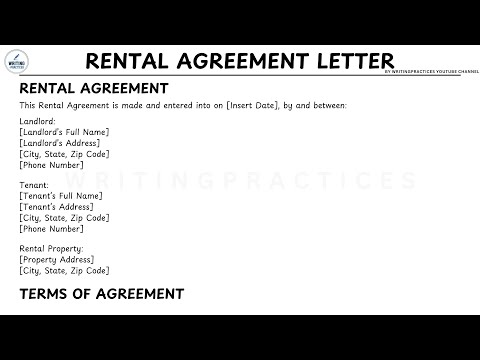
First off, what exactly is a tenancy agreement? Well, it’s basically a contract between you (the landlord) and your tenant that outlines the terms of the rental arrangement. You know, things like how much rent is due, when it’s paid, and what happens if something goes wrong.
Now, when you’re putting together this agreement, there are some key elements you definitely want to include:
- Names of parties involved: Make sure you list both yourself and your tenant clearly.
- Property details: Include the full address of the property being rented.
- Duration of tenancy: Specify whether it’s a short-term (like six months) or long-term lease (perhaps a year or more).
- Rental amount: Clearly state how much rent is due each month and how it should be paid: bank transfer? Cash? Something else?
- Deposit information: Mention the deposit amount required and how it will be protected under a government scheme.
- Responsibilities of both parties: Outline who will take care of repairs or maintenance issues.
- Termination process: Explain how either party can end the tenancy. Do they need to give notice? If so, how much?
Each of these points plays an important role in ensuring everything runs smoothly. For example, if you forget to mention that repair costs fall on you as the landlord, it could lead to some serious disagreements later on!
Here’s an emotional angle to think about; picture yourself living in your flat with leaky taps or dodgy heating while your landlord just shrugs their shoulders because *you* didn’t put anything in writing about repair responsibilities. That would be frustrating!
Another important tip: **make sure your tenancy agreement complies with UK laws**. There are specific legal requirements for tenancy agreements depending on whether it’s assured shorthold tenancies (AST) or others. Failing to comply could cause issues for both parties.
Once you’ve drafted everything up – like literally typed it out – make sure both you and your tenant sign copies. Each person should keep one signed version.
And yet another thing: Keep updating your agreement if circumstances change! Let’s say you decide on a pet clause halfway through; update that document so everyone knows what’s what.
So there you have it! Writing your own tenancy agreement doesn’t have to be rocket science; just keep things clear and straightforward! If you’re ever unsure about any legal jargon or specific clauses, consulting with someone who knows their stuff could save you from headaches later on.
Essential Guide to Creating a Rental Agreement in the UK: Step-by-Step Process and Key Considerations
Creating a rental agreement in the UK is pretty important for both landlords and tenants. It sets out the rules, rights, and responsibilities for everyone involved. Let’s break down the process and what you need to consider when drafting one.
First off, you’ll want to decide on the type of tenancy you’re offering. The most common ones are Assured Shorthold Tenancy (AST) and Periodic Tenancy. An AST is usually for six or twelve months, while a periodic tenancy rolls on from month to month once an AST ends. So, picking the right one from the start helps avoid headaches later.
When you’re putting together your rental agreement, make sure to include key details like:
- The names of all parties. This means both the landlord and tenants.
- The property address. Clearly state where it is located!
- The rent amount. Specify how much rent is due and when it needs to be paid.
- The deposit amount. If you’re asking for a security deposit, outline how much it is and what it covers.
- The length of the tenancy. Mention if it’s fixed-term or rolling.
- Your rights as a landlord or tenant. Everyone should know their rights—no surprises here!
Now, let’s talk about that security deposit. The thing is, if you take a deposit from your tenant, you’re legally required to put it in a government-approved scheme within 30 days. This protects both parties—you know your money’s safe while tenants have peace of mind.
Also, consider including maintenance responsibilities. It’s crucial to clarify who handles repairs and upkeep. If something breaks down or needs fixing, knowing who’s responsible can save a lot of hassle later on.
It’s also wise to mention any rules regarding pets or smoking in the property. If you’re okay with pets but have specific conditions (like needing them to be well-behaved), put that down in writing too! Basically, clear communication leads to fewer disputes.
Now let’s not forget about your obligations as a landlord! You have responsibilities like ensuring the property is safe and habitable according to health standards. You should conduct gas safety checks annually and provide an Energy Performance Certificate (EPC) as well.
In terms of breaking up with your tenant—say they want to leave before their contract is up—you need procedures in place for this too. Generally speaking, if it’s a fixed-term tenancy, they might need permission from you first. Just saying “hey I’m leaving” won’t cut it!
Lastly—and this part can be emotional—we all know moving can hit people hard. Whether it’s leaving memories behind or stepping into new chapters of life—it’s important that both landlords and tenants feel supported through this transition.
So when drafting your rental agreement in the UK:
- Be clear about everything.
- Create mutual understanding between parties involved.
- Keep everything fair—this isn’t just about property; it’s about people too!
Making sure everyone knows what’s going on can lead to smooth sailing—even if there are some bumps along the road! Remember: your rental agreement isn’t just paperwork; it’s an essential part of building trust between landlords and tenants for years ahead.
Step-by-Step Guide to Crafting a Simple Rental Agreement
Creating a simple rental agreement in the UK doesn’t have to be super complicated. You just need to cover some basic points. Starting with the essentials is key, so let’s break it down.
1. Identify the Parties: Make sure you clearly state who’s involved in the agreement. This would be you—the landlord—and the tenant. Include full names and addresses, just to keep things clear.
2. Property Details: You need to describe the property being rented out. This should include the address and possibly some specifics like the number of bedrooms or any special features—like a garden or parking space.
3. Rent Amount: Specify how much rent is due, and when it has to be paid each month—typically on a specific date like the 1st or 15th of each month. Don’t forget to mention if it includes utilities or other costs!
4. Deposit Information: Most landlords ask for a deposit, which is usually around five weeks’ rent. Explain how this deposit will be handled—like what happens if there’s damage and when they can expect it back.
The thing is, you also have to protect this deposit under a government-approved scheme if you’re taking one from your tenant.
5. Duration of Tenancy: Is it a fixed-term lease or a periodic tenancy? Clearly state how long the agreement lasts—like “12 months starting from [date]”. If it’s periodic, mention how often it renews automatically (like monthly).
6. Responsibilities of Both Parties: It’s smart to outline what both you and your tenant are responsible for during their stay. For example, you might provide maintenance for appliances while they take care of keeping things tidy.
It helps prevent misunderstandings down the road!
7. Notice Period: If either party wants to end the agreement, how long do they have to give notice? A common timeframe is one month but make sure it fits within what’s legally required.
8. Special Conditions: If there are any unique rules—like about pets or smoking—you’ll want those included too! Just be fair about them; clarity keeps everyone on track.
And don’t forget basic legal requirements! It’s important that your contract meets UK laws, so consider making reference to safety regulations regarding gas and electrical inspections.
Finally, both you and your tenant should sign and date the document; this makes everything official! It’s always wise to keep copies for both parties as well since something may come up later down the line.
So there you go! Your simple rental agreement doesn’t have to be filled with legal jargon but should cover everything necessary so both parties know where they stand.
Renting a place can be exciting, you know? You’re on the verge of making a new space your own, but then comes the whole legal side of things. So, let’s talk about the basic rental agreement form in the UK.
It can feel a bit overwhelming at first—there’s so much jargon floating around! But really, it’s just about making sure everyone knows their rights and responsibilities. A rental agreement is essentially a contract that outlines what you and your landlord agree on regarding the property. It’s like setting ground rules for your stay.
So, picture this: Sarah had just moved to London for her dream job. She found this cute flat with a view of the Thames, but when she got to signing the rental agreement, she was completely baffled by all those clauses. I mean, who even knows what “quiet enjoyment” means without looking it up? She took her time to read through everything and asked questions where needed—good for her!
The basic rental agreement usually covers important stuff like how much rent you need to pay and when it’s due, any deposit requirements (like how much you need to give upfront), and what happens if either party wants to end the tenancy early. There might also be terms about maintaining the property or what happens if something breaks down. It’s all meant to protect both of you—landlord and tenant alike.
One thing you’ll find in many agreements is that they need to adhere to certain laws in the UK, such as ensuring your landlord protects your deposit in a government-approved scheme. It’s essential because if things go south during your tenancy, getting that money back can be a real hassle!
So yeah, don’t rush through signing that dotted line. Take some time; read everything carefully—it’s your home we’re talking about here! If you’re unsure about any part of it or feel like something doesn’t sit well with you, ask for clarification or even seek advice from someone who knows their stuff.
In short, while it may seem tedious at first glance, understanding your rental agreement can save you from future headaches! It’s all about laying down a good foundation for peace of mind during your time in that new space of yours.


