
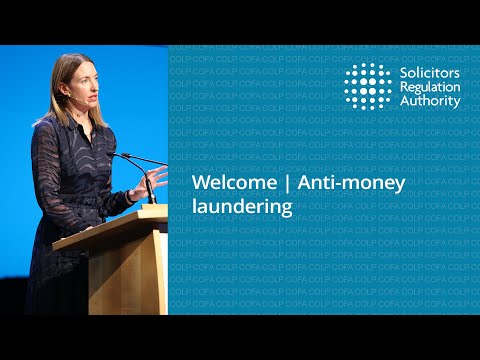
So, picture this: you’re at a party, sipping on your drink, and someone casually mentions that the European Union has strict rules about money laundering. You pause, thinking, “Wait, what even is money laundering?” And then it hits you — it’s not just about washing cash in the laundry like some bizarre heist movie.
But seriously, it’s a big deal. The EU has rolled out some hefty regulations to tackle the dodgy practice of hiding where your money really comes from. And with the UK no longer part of the EU club, things have gotten a bit tricky. You might be wondering what that means for legal practices here.
The information on this site is provided for general informational and educational purposes only. It does not constitute legal advice and does not create a solicitor-client or barrister-client relationship. For specific legal guidance, you should consult with a qualified solicitor or barrister, or refer to official sources such as the UK Ministry of Justice. Use of this content is at your own risk. This website and its authors assume no responsibility or liability for any loss, damage, or consequences arising from the use or interpretation of the information provided, to the fullest extent permitted under UK law.
So let’s break it down together. We’ll chat about what these anti-money laundering regulations are all about and how they shake hands with UK laws now. It doesn’t have to be complicated!
Understanding Anti-Money Laundering Regulations in the UK: A Comprehensive Guide
Understanding Anti-Money Laundering Regulations in the UK can seem a bit daunting, but let’s break it down. These regulations are all about preventing people from disguising illegally obtained money as legitimate funds. In simple terms, it’s like trying to hide dirty laundry under the bed instead of cleaning it.
First off, you should know that anti-money laundering (AML) regulations in the UK evolved from EU directives. Even after Brexit, the UK has kept many of these rules to ensure they align with international standards. Keeping things tight helps stop financial crime and protects businesses.
The key players here are mainly regulatory bodies. The Financial Conduct Authority (FCA) and HM Revenue & Customs (HMRC) are the main ones overseeing compliance. They expect businesses to implement strong measures against any money laundering activities.
So what does this mean for you or your business? Well, if you’re in certain sectors—like finance, real estate, or law—you have specific duties to fulfill. You need to identify your clients and verify their identities. This is known as Know Your Customer (KYC). Think of it like checking someone’s ID before letting them into a club.
Next up is risk assessment. It’s important to assess the risks related to money laundering in your industry. Are you dealing with high-value transactions? Are clients coming from countries known for financial crime? Understanding these risks helps tailor your approach effectively.
Now let’s talk about reporting suspicious activities. If you spot something dodgy, you must report it immediately to the National Crime Agency (NCA). Failure to do so could land you in hot water! Imagine if you saw someone acting suspiciously at an ATM; reporting that might just stop a crime happening right before your eyes!
Another aspect is staff training. Employees need to be aware of what constitutes suspicious behavior and understand how they should respond. Regular training sessions can help keep everyone on their toes—like a coach preparing their team for match day!
Compliance also involves maintaining proper records. You must keep detailed records of client interactions, risk assessments, and any reports made to authorities for at least five years. This might sound tedious but think of it as keeping receipts; they come in handy when necessary.
Finally, let’s briefly touch on penalties for non-compliance. The consequences can be severe—fines can reach millions! Not only that but reputational damage could affect future business prospects seriously.
So really, understanding Anti-Money Laundering regulations isn’t just about ticking boxes; it’s about creating a culture of vigilance and integrity within your business environment. Following this path not only keeps you compliant but also contributes positively toward a fairer financial system overall!
Comprehensive Guide to AML Regulations in Europe: Key Insights and Compliance Strategies
The topic of Anti-Money Laundering (AML) regulations is a big deal, especially with all the changes happening in Europe and the UK. You know, it’s like trying to keep track of all the rules in a game that keeps changing!
So, let’s break it down. The EU has put together a series of AML regulations to fight against money laundering and, honestly, the UK follows suit even after Brexit. This means companies and financial institutions have a responsibility to make sure they know who they’re dealing with. Now, you might be wondering: what exactly are these regulations?
Key Points About AML Regulations:
- Purpose: The main goal is preventing criminals from using financial systems to disguise illegal funds.
- Know Your Customer (KYC): Businesses need to verify who their clients are. This isn’t just good practice; it’s law. Think of it like asking someone for ID before letting them into your private party.
- Suspicious Activity Reports (SARs): If something looks fishy – transactions that don’t make sense – you have to report it. It’s like saying, “Hey, I think something’s off here!”
- Training: Employees should be trained on identifying suspicious activity. You wouldn’t want someone unaware letting bad apples through the door!
- Record Keeping: Businesses must keep detailed records of transactions and customer information for several years.
Now, let’s talk about **compliance strategies**. Since these regulations can be tricky, here are some ideas on how businesses can stay on top:
- Create a Compliance Program: Setting up a dedicated team or process for compliance within your business is vital.
- KYC Implementation: Regularly update client information and check against lists of persons and entities involved in criminal activities.
- Ongoing Monitoring: Continuously supervise transactions for signs of suspicious behavior — just because something seemed okay once doesn’t mean it’s still clear!
And here’s a little story to connect with how real this issue can feel: Imagine that you’re running a café in London. One day, there’s this regular customer who starts ordering huge amounts of coffee beans and paying in cash every single time without any logical explanation behind it. At first glance, it’s just weird but harmless… until you start noticing others lurking around him who seem out of place! Well, you’d want to think twice about serving him if he looks sketchy while making those payments.
In this world where everything is interconnected financially – because money flows across borders faster than you can imagine – keeping compliant with AML rules protects not only your business but the entire system from abuse.
So yeah, navigating through AML regulations might feel overwhelming at timeso but breaking them down piece by piece makes them easier to understand—and essential for staying above board!
Legislation Behind the Implementation of the Third EU Money Laundering Directive in the UK
The Third EU Money Laundering Directive was a significant piece of legislation that aimed to strengthen the fight against money laundering and terrorist financing across Europe. The UK, being a key player in the EU, had to adapt its laws to align with this directive.
What is money laundering? It’s basically the process of making illegally obtained money appear legal. The need for strong regulations is pretty clear, right? You wouldn’t want criminals benefiting from their wrongdoings.
When the Third Directive came into effect in 2005, it introduced several measures that every EU member state had to follow, including the UK. This included requirements for businesses and financial institutions to perform diligent checks on their customers. This means they have to know who you are, where your money comes from, and even monitor transactions for anything unusual.
So, what did this mean in practice? Well, if you went into a bank to set up an account or apply for a mortgage back then, you might have been asked for more documents than before—like proof of address or identification. Basically, they were just trying to ensure you weren’t hiding anything shady.
Key points from the Directive included:
- Increasing cooperation among member states.
- Stricter rules on reporting suspicious activities.
- Enhanced due diligence for high-risk customers.
The thing is, compliance wasn’t just about checking boxes; it had real consequences. If banks and firms didn’t comply with these regulations, they could face hefty fines or even criminal charges. It got serious really fast!
Now let’s talk about how this all fit into UK law. The Proceeds of Crime Act 2002 (POCA) was already in place before the directive hit. It provided the framework for handling assets gained through crime. So when the Third Directive came along, it sort of bolstered what was already there rather than starting from scratch.
Additionally, the UK Money Laundering Regulations 2007, which were revised further down the line in 2017 and again post-Brexit in 2020, integrated these EU requirements more deeply into domestic law. These regulations detail everything that companies must do concerning customer verification and reporting suspicious activities.
You might be wondering how Brexit affects all this. Well, after leaving the EU in 2020, the UK adjusted its approach but kept many features from previous directives because they were already working quite well here. The goal remained: combatting financial crime while allowing legitimate business practices to flourish.
If you find yourself needing legal guidance related to money laundering compliance today, understanding these historical changes can really shed light on why things are structured as they are now—it’s all about keeping things above board and protecting everyone involved!
So, let’s chat about EU Anti-Money Laundering (AML) regulations and how they’ve influenced legal practice in the UK. Now, you might think it sounds like one of those dry topics that only suits serious law folks. But it’s actually pretty interesting!
A while back, I was at a friend’s wedding, and we ended up talking about money and how it flows in the world today. You know, with so many transactions happening online, it got me thinking about how easy it can be to hide dodgy money. That’s where AML regulations come into play. The EU has set up these rules to make sure that money coming into the system is clean. It’s like a filter for dirty laundry—nobody wants someone else’s mess ruining their nice clothes, right?
In the UK, we’ve had to adapt to these regulations because of our previous membership in the EU. The thing is, even post-Brexit, many of these rules still apply or have been woven into our legal system through domestic regulations. This means that solicitors and financial institutions are on high alert for any suspicious activities.
But here’s an interesting twist: while these regulations aim to catch bad actors, they also put a lot of pressure on businesses and legal entities. It can feel like they’re under constant surveillance with all the paperwork and checks involved! Imagine running a small business—one day everything seems normal, and then suddenly you have to prove where every penny came from just because someone spotted something fishy.
And don’t get me started on the penalties! If firms slip up or overlook something crucial in their due diligence processes—bam! They could face hefty fines or worse — loss of reputation. It’s like walking a tightrope; you have to balance compliance with making sure your operations run smoothly.
You see these AML regulations really shape how lawyers interact with clients too. You’d think working on transactions would be straightforward but often involves digging deep into clients’ backgrounds now more than ever. They ask more questions than a curious toddler! “Where’s this money coming from? What do you do? Can you show me proof?” And while these inquiries might seem invasive sometimes, they’re crucial for staying on the right side of the law.
It can be tough navigating this landscape since laws are always changing and evolving, especially with new threats popping up all over the place. But at least there’s an ongoing effort across Europe to combat financial crime as a collective force.
All in all, while AML regulations might sound tedious at first glance—they’re ultimately aimed at fostering a cleaner financial environment for everyone involved. And who wouldn’t want that? So yeah, if you’re pondering about how laws affect daily life—and even weddings—this is definitely one area where things get real pretty quick!


