
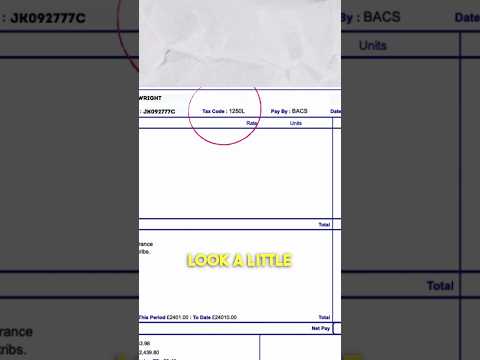
You know, I was chatting with a friend the other day, and we stumbled upon the 1389m tax code. His face turned so pale, you’d think he’d just seen a ghost! Seriously, who knew tax codes could be so terrifying?
But here’s the thing. You might think taxes are dull—just numbers and paperwork. But they can seriously affect you in ways you’ve never thought about. It’s not just about paying your dues; it’s also about understanding your rights and obligations.
The information on this site is provided for general informational and educational purposes only. It does not constitute legal advice and does not create a solicitor-client or barrister-client relationship. For specific legal guidance, you should consult with a qualified solicitor or barrister, or refer to official sources such as the UK Ministry of Justice. Use of this content is at your own risk. This website and its authors assume no responsibility or liability for any loss, damage, or consequences arising from the use or interpretation of the information provided, to the fullest extent permitted under UK law.
So if you’re feeling lost in the maze of tax rules, don’t fret. Let’s break it down together in a way that won’t make your head spin. You’ll see how navigating this tax code can actually be manageable—and maybe even a little interesting!
Mastering the UK Tax Code: A Comprehensive Guide to Understanding Tax Regulations
So, let’s chat about the UK tax code. The thing is, it can feel super overwhelming at first. I mean, doesn’t everyone have that moment when they look at tax forms and just think… “What on earth is this?”
Well, the UK tax code is like a massive rulebook that outlines how much you ought to pay in taxes and why. And one of the sections you might hear about a lot is **the 1389m Tax Code**. It sounds fancy, but it’s just part of that whole mess of regulations.
Basically, the 1389m Tax Code deals with taxation for various forms of income, ensuring that anyone earning money pays their fair share while also highlighting some exemptions and reliefs that might be available to you.
Here are a few key points to keep in mind:
Sometimes people get stressed about filing taxes—just thinking about it makes them anxious! I once knew someone who delayed submitting their returns for months because they were scared they’d done something wrong. Turns out; they just needed some guidance!
Your rights as a taxpayer are essential to know as well! You have the right to understand how your taxes are calculated and ask HMRC questions if things seem unclear or confusing.
There’s also this concept called “Self Assessment”. If you’re self-employed or have additional income outside of your regular job’s paycheck—like rental income—you must file an annual tax return through this system.
Now let’s not forget something vital: penalties! If you don’t submit your taxes on time or fail to pay what you owe—you might get hit with fines which can grow bigger over time. Keep an eye out!
In short, mastering the UK tax code means understanding what you’re responsible for paying but also knowing what’s available in terms of exemptions or deductions. Don’t hesitate to seek help when needed; sometimes all it takes is just talking things through with someone who knows their stuff.
Remember: it’s not just about filling out forms; it’s about knowing your rights AND responsibilities!
Strategies to Navigate the 60% Tax Trap in the UK: Essential Tips for Savvy Taxpayers
So, let’s chat about that *60% tax trap* in the UK. It’s quite a topic, and if you’re earning above a certain threshold, it’s something you might have already felt the sting from. In the UK, certain high earners can find themselves paying an effective tax rate that feels more like a punishment than a fair contribution.
You see, what happens is when your income goes over £100,000, the personal allowance—the amount of income you can earn before paying tax—starts to get reduced. For every £2 over that limit, you lose £1 of your personal allowance. If you’re not careful, this can mean that a chunk of your earnings gets taxed at this higher rate combined with all your other taxes. Essentially, when your income is about £125,140 or above (as of 2023), you could be looking at an effective tax rate of 60%! Yikes!
Alrighty then! Here are some strategies to help you navigate this tricky landscape:
- Consider pension contributions: Paying into a pension is one way to reduce your taxable income. Contributions can be deducted from your salary before tax is calculated. So if you’re close to that threshold, boosting your pension might just save you some cash!
- Explore salary sacrifice: Some employers offer schemes where you can opt for benefits instead of salary. This doesn’t count as taxable income and can help keep you below that nasty threshold.
- Review capital gains: If you’re selling assets like property or stocks and anticipate hefty profits, spreading out those sales over different tax years might lessen the impact on your overall income.
- Charitable donations: Giving to charities isn’t just good for the soul; it also allows for reliefs through Gift Aid. You could offset some of that tax liability while doing good in the community.
- Use tax-efficient investments: Certain accounts like ISAs (Individual Savings Accounts) allow for tax-free savings. Even making use of these within your overall financial strategy can provide relief.
It’s not as straightforward as it seems sometimes; playing around with these options takes some consideration and often professional guidance. Seriously!
Let’s think about Jane for a minute. She was doing well with her job but didn’t realize she’d hit that point where her hard work would push her into this trap. After speaking with an advisor and implementing some pension contributions and salary sacrifice options together with other moves we’d mentioned earlier, she found herself saving quite a bit on her taxes! It was so uplifting for her.
So remember: staying informed and proactive about how much you earn—and how it affects your taxes—is really key here. It’s not just about what you make but how much of it ends up in Uncle Sam’s (or rather Uncle Taxman’s) pocket! Keep looking into these avenues; they can make all the difference in staying savvy with your finances.
Understanding the Significance of ‘M’ in Tax Codes: A Comprehensive Guide
Understanding the significance of ‘M’ in tax codes can be a bit puzzling, but once you break it down, it gets clearer. The “M” in tax codes, such as the 1389m tax code, represents something important related to your personal allowance and tax status.
For starters, let’s talk about what it means. When you see “M”, it indicates that you are part of a category known as “Marriage Allowance.” This might sound like legal jargon, but stick with me! Basically, if you’re married or in a civil partnership and your partner earns less than the personal allowance threshold—which is usually around £12,570—you could transfer some of your unused allowance to them. This can give you a nice little boost!
Now, let’s say one partner earns £8,000 annually and the other earns over £12,570. In this case, the higher earner could benefit from their partner’s unused allowance through this M code. So instead of just letting that allowance sit there unused—you know?—it gets put to work!
These allowances can make a real difference when you’re crunching numbers for your taxes. Think about it: by using this system wisely, couples can save hundreds of pounds every year! It’s like finding money you didn’t even know was there.
Now onto how this works practically with the 1389m code. If you’re assigned this particular code, it’s an indicator that you’ve been marked for these allowances in your PAYE system (Pay As You Earn). But here’s where people often get lost: How do you actually make sure it’s applied correctly?
Well, first off, the best way to ensure everything’s as it should be is to check your payslip or P60 document. You want to spot that 1389m cruising on there so you know you’re getting what you’re entitled to. If it isn’t showing up correctly—that’s when it’s time to raise an eyebrow!
If you’ve got questions or think something is off with your numbers—you can contact HMRC directly or check out their website for guidance. Seriously though, they have information that can help clear things up.
Just remember though—if you’re switching jobs or life circumstances change (like having kids or starting a new job), those changes might impact which allowances apply to you or if you’re still in that M category.
Every penny counts when dealing with taxes; so being aware of these codes and what they stand for—like ‘M’—can help keep more cash in your pocket rather than giving it away unnecessarily. It’s all about making sure things are right on paper so they translate well into savings for you!
In closing: keeping tabs on codes like 1389m isn’t just important—it’s essential! Use them wisely and don’t hesitate to ask questions if things seem unclear because navigating taxes shouldn’t feel like climbing Everest!
You know, the UK tax code is like a maze, isn’t it? With around 1389 pages to sift through, it can feel overwhelming. It’s like trying to find your way through a crowded market with no map. Seriously, where do you even begin?
I remember talking with a friend who recently started their own business. They were excited but also terrified of tax obligations. “How on earth will I ever get my head around this?” they said, eyes wide with worry. And it made me think about how the complexity of tax law can really throw people for a loop, especially if you’re just trying to make things work day by day.
But here’s the thing: understanding the tax code is crucial in legal practice. It directly impacts everything from how businesses operate to individual rights and obligations. For instance, if you’re a small business owner or a freelancer, knowing about allowable expenses can save you a fair bit of money at tax time. Yet, there are loopholes and traps everywhere that might trip you up if you’re not careful.
Take VAT as an example—value-added tax can come into play in ways that catch folks off guard. Understanding when and how much VAT to charge can be the difference between being profitable or not. And it’s not just about numbers on paper; it’s about ensuring your clients don’t face fines down the line.
So yeah, navigating this enormous beast of a tax code isn’t just about crunching numbers; it’s about protecting yourself and others from pitfalls that could lead to real trouble. Knowing your stuff means fewer sleepless nights worrying over audits or unexpected bills.
Anyway, while it might seem daunting at first glance, breaking things down bit by bit helps! Just like taking one step at a time in that crowded market. You’ll gradually find your way through the twists and turns of UK tax law—it just takes some patience and persistence!


